Jan . 26, 2026 10:50
Understanding the Rise of White Volleyball for Professional Use
White Volleyball… it’s a bit of an oddity, isn’t it? You don’t immediately think “industrial applications” when you hear the word ‘volleyball,’ but increasingly, that’s precisely where these specialized balls are finding a home. We're seeing a real shift in demand, particularly from sectors needing durable, consistently performing spheres for testing, calibration, and even surprisingly, automated processes. It's not just about recreation anymore. It's about precision and reliability in environments where consistency matters – a lot.
Table of Contents
- White Volleyball Overview
- Benefits & Use Cases of White Volleyball
- Cost, Maintenance & User Experience
- Sustainability & Market Trends
White Volleyball Overview
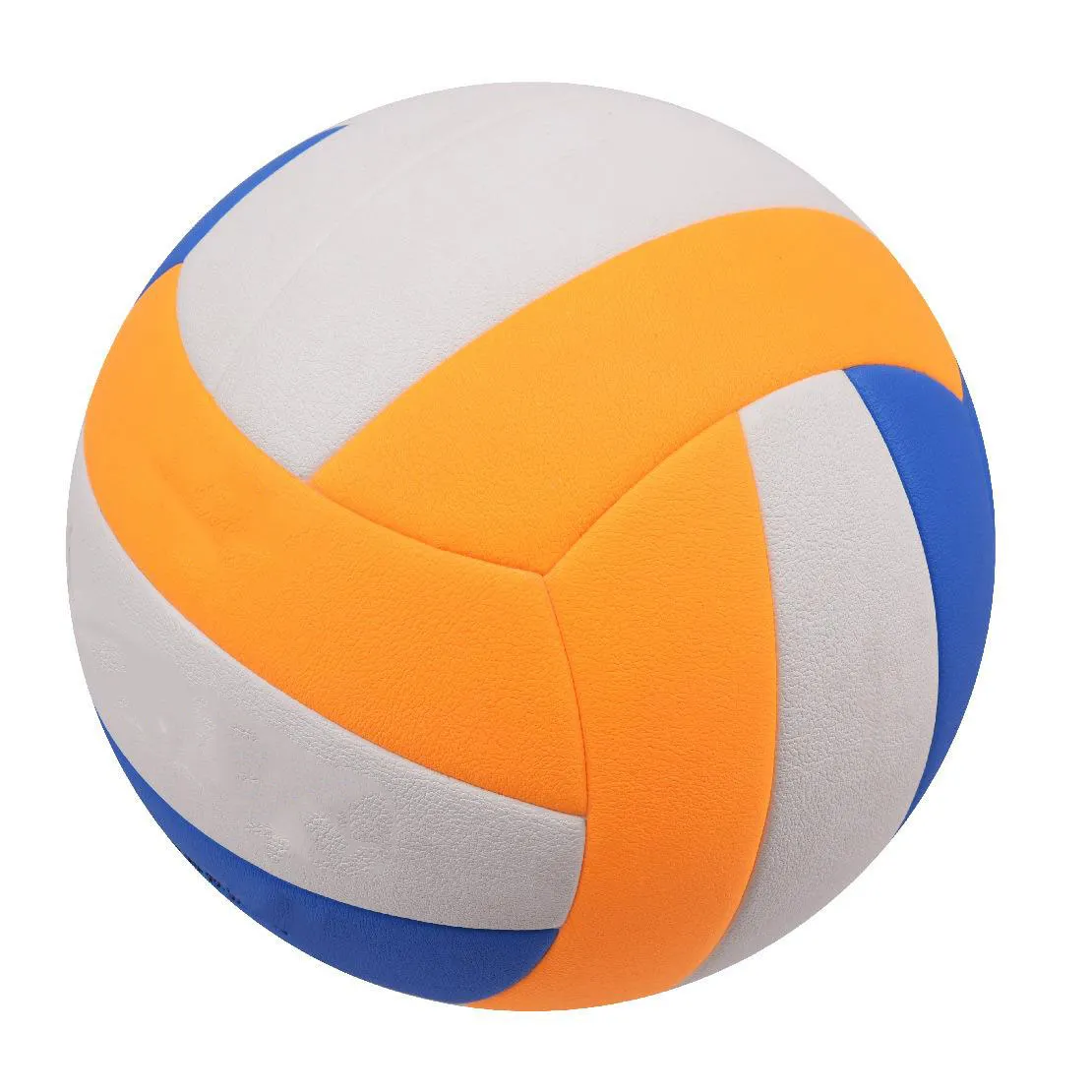
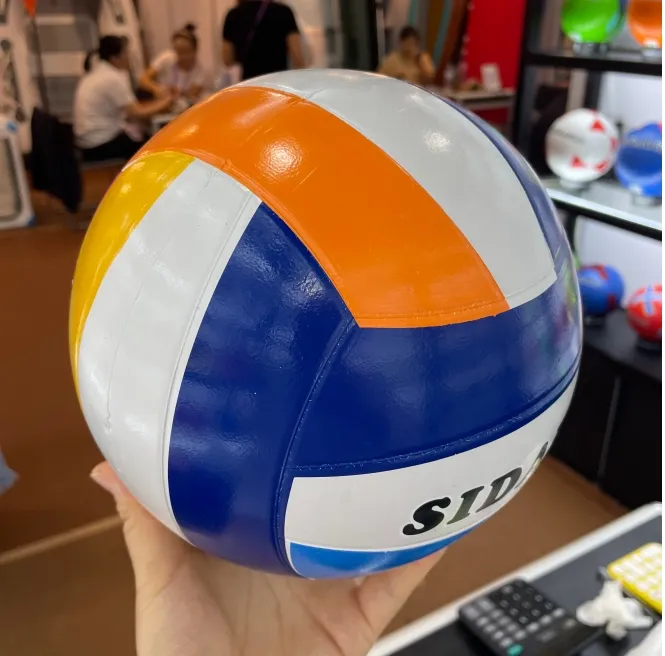
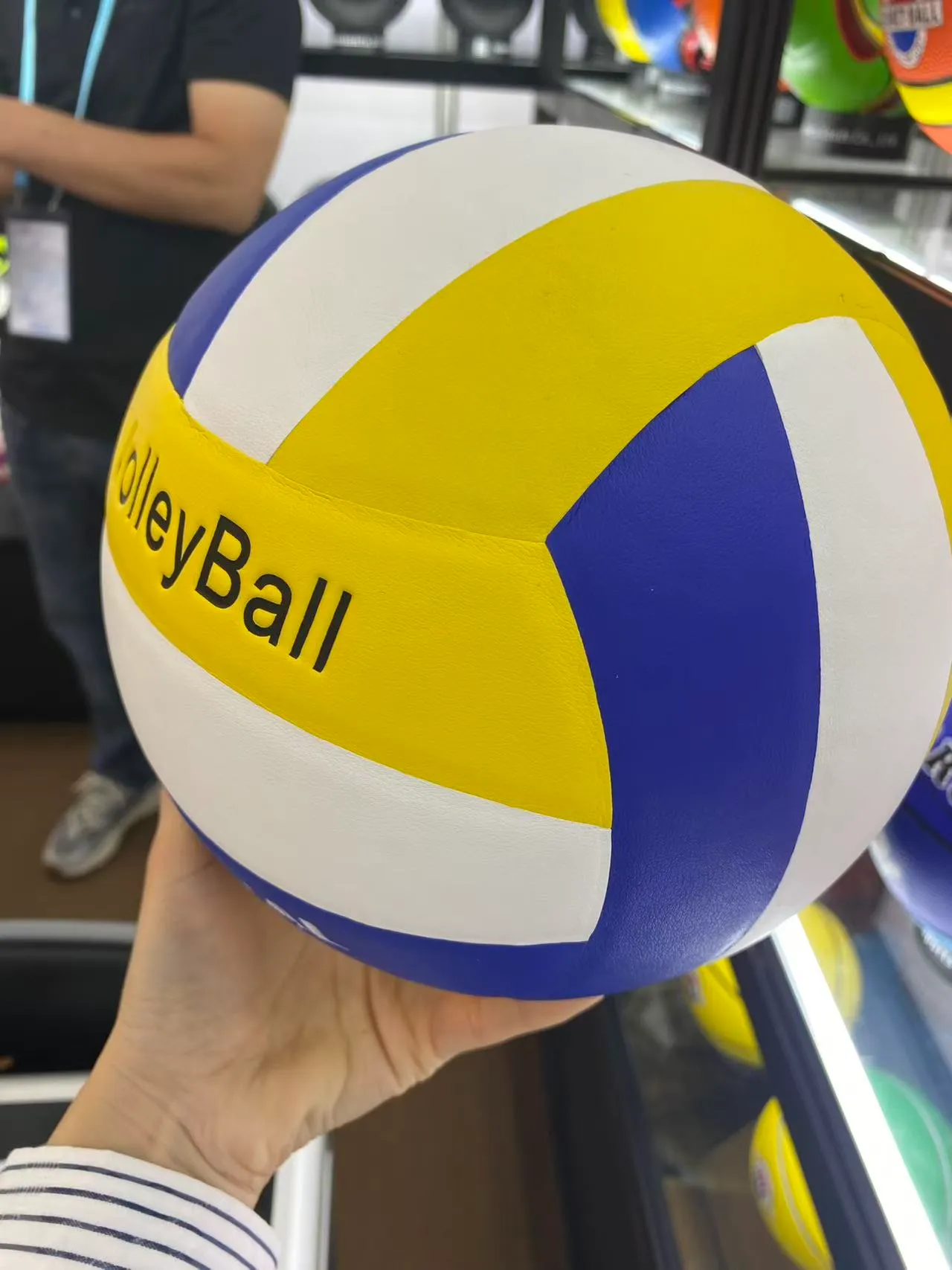
These aren’t your beach volleyballs, let me tell you. The core difference lies in the materials and construction. Generally, they use a synthetic leather outer shell – often polyurethane – chosen for its consistent texture and durability. Inside, it's typically a multi-layer wound construction, sometimes with a butyl bladder for air retention. The white color isn't just aesthetic; it provides excellent contrast for visual inspection systems, machine vision applications, and simply makes defects easier to spot. Many engineers I’ve spoken with appreciate the consistency in weight and bounce, even across different batches. Here's a quick look at the specs, as provided by Starry Balls:
| Specification | Value | Notes |
|---|---|---|
| Diameter | 8.5 inches (21.6 cm) | Standard size |
| Weight | 260-280 grams | Consistent weight is critical |
| Material | Synthetic Leather (PU) | Durable & consistent texture |
| Bounce | 49-65 inches | Measured at 2000 lbs pressure |
Benefits & Use Cases of White Volleyball
Frankly, the applications are broader than you’d think. We’re seeing them used extensively in conveyor system testing – simulating product flow and impact. They are incredibly useful for calibrating laser measurement systems, too, because of that consistent reflectivity. I spoke with an engineer at a packaging facility recently who uses them to test the sensitivity of their weight scales; the uniformity of the ball helps pinpoint even minor calibration drifts. They’re also popular in robotics testing, especially for grip force calibration and object recognition. It seems like anything that requires a consistent, known-weight sphere can benefit. Here's a quick look at how Starry Balls stacks up against some competition:
| Vendor | Price (per ball) | Durability | Consistency |
|---|---|---|---|
| Starry Balls | $12.50 | Excellent | Very High |
| Global Industrial | $10.00 | Good | Medium |
| Action Sports Co. | $8.00 | Fair | Low |
Cost, Maintenance & User Experience
The initial cost is reasonable, around $12.50 per ball from Starry Balls, but you have to consider the longevity. Many engineers say these hold up remarkably well – far better than cheaper alternatives that quickly lose their shape or coating. Maintenance is minimal; a simple wipe-down is usually all that's needed. Oddly enough, the biggest complaint I’ve heard is simply keeping track of them! They tend to roll away… you know, volleyballs do that. The consistent bounce and weight are definitely appreciated, and the white color makes them easy to integrate into automated inspection setups. In terms of ROI, the reduced downtime from reliable testing and calibration often justifies the slightly higher upfront cost.
Sustainability & Market Trends
The market for industrial testing equipment is, unsurprisingly, growing alongside increased automation. There’s also a growing emphasis on quality control, which drives demand for consistent and reliable testing tools. From a sustainability perspective, the durability of these balls is a plus – fewer replacements mean less waste. I suppose we’ll see more environmentally friendly materials incorporated into their construction in the future, but for now, the focus is on performance and longevity.
Frequently Asked Questions about White Volleyball
- What is White Volleyball and how does it work?
- White Volleyball, in an industrial context, refers to a specifically manufactured volleyball with consistent weight, bounce, and a durable white outer shell. This shell enables easy visual tracking and use in machine vision applications. It works by providing a reliable, predictable sphere for testing and calibration purposes.
- What are the main benefits of using White Volleyball in industrial applications?
- The main benefits include high consistency in weight and bounce, durability for long-term use, excellent visibility due to the white color, and suitability for automated testing systems. This leads to more accurate results and reduced downtime.
- How does White Volleyball compare to traditional alternatives?
- Compared to using random spheres or lower-quality balls, White Volleyball offers superior consistency and durability. It also provides a better surface for optical sensors and machine vision systems, leading to improved accuracy and reliability in testing procedures.
- What industries can benefit most from White Volleyball implementation?
- Industries that benefit most include packaging, robotics, conveyor system manufacturing, quality control, and laser calibration. Any sector requiring precise and repeatable testing involving spherical objects can utilize White Volleyball effectively.
Conclusion on White Volleyball from china
Ultimately, the seemingly simple white volleyball has carved out a niche for itself in surprisingly sophisticated applications. It’s a testament to the power of focusing on consistency and quality, even in unexpected areas. For reliable testing and calibration, it’s a solution worth considering. Visit our website: https://www.starryballs.com
- Don’t underestimate the power of a good sphere.