Jan . 25, 2026 02:05
All Types Of Volleyball: A Deep Dive for B2B
All Types Of Volleyball isn’t just a game, you know? It’s a surprisingly demanding field when you look at the requirements for professional and even high-amateur play. Durability, consistent performance, and, frankly, feeling right in the hand are all critical. Starry Balls, as a manufacturer, really leans into that. It’s a bit more complex than people realize. We’ve been working with teams and facilities for a while now and understanding the specifics is…well, it’s everything.
Table of Contents
- All Types Of Volleyball Overview
- Benefits & Use Cases of All Types Of Volleyball
- Cost, Maintenance & User Experience
- Sustainability & Market Trends
All Types Of Volleyball Overview
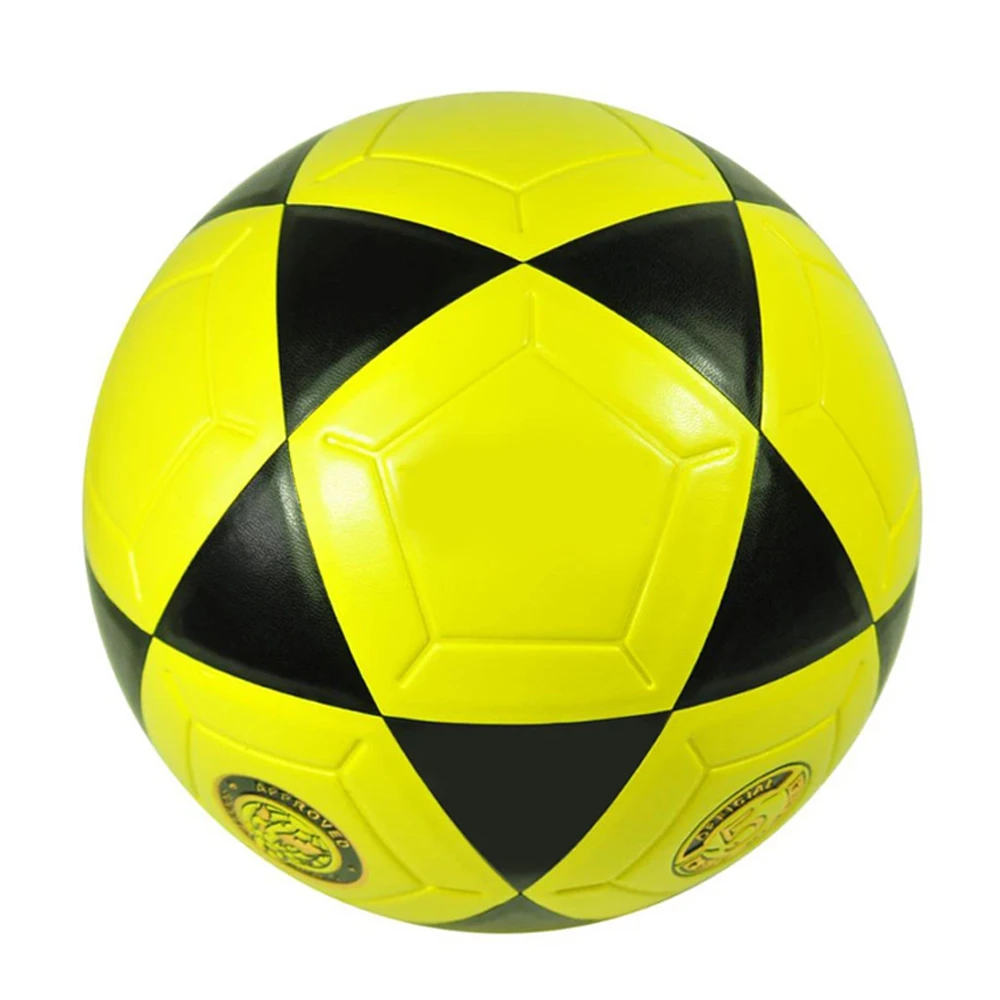
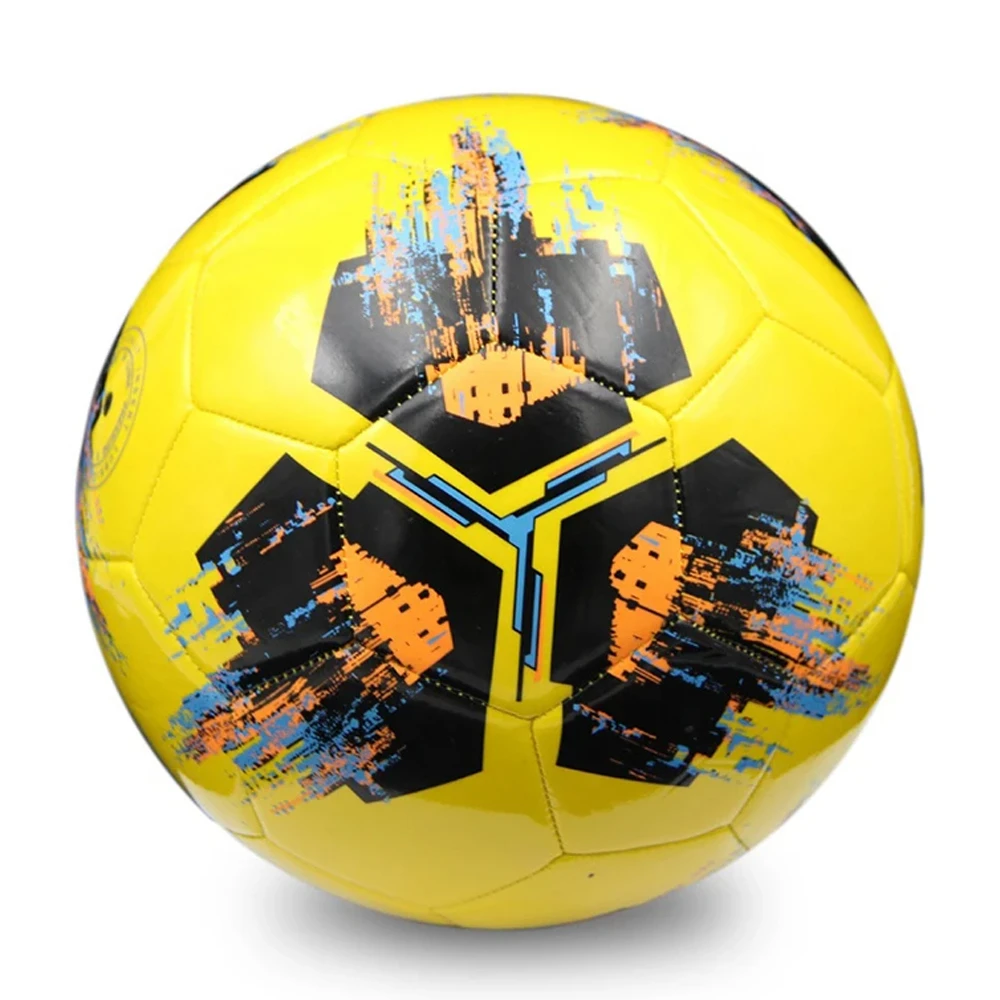
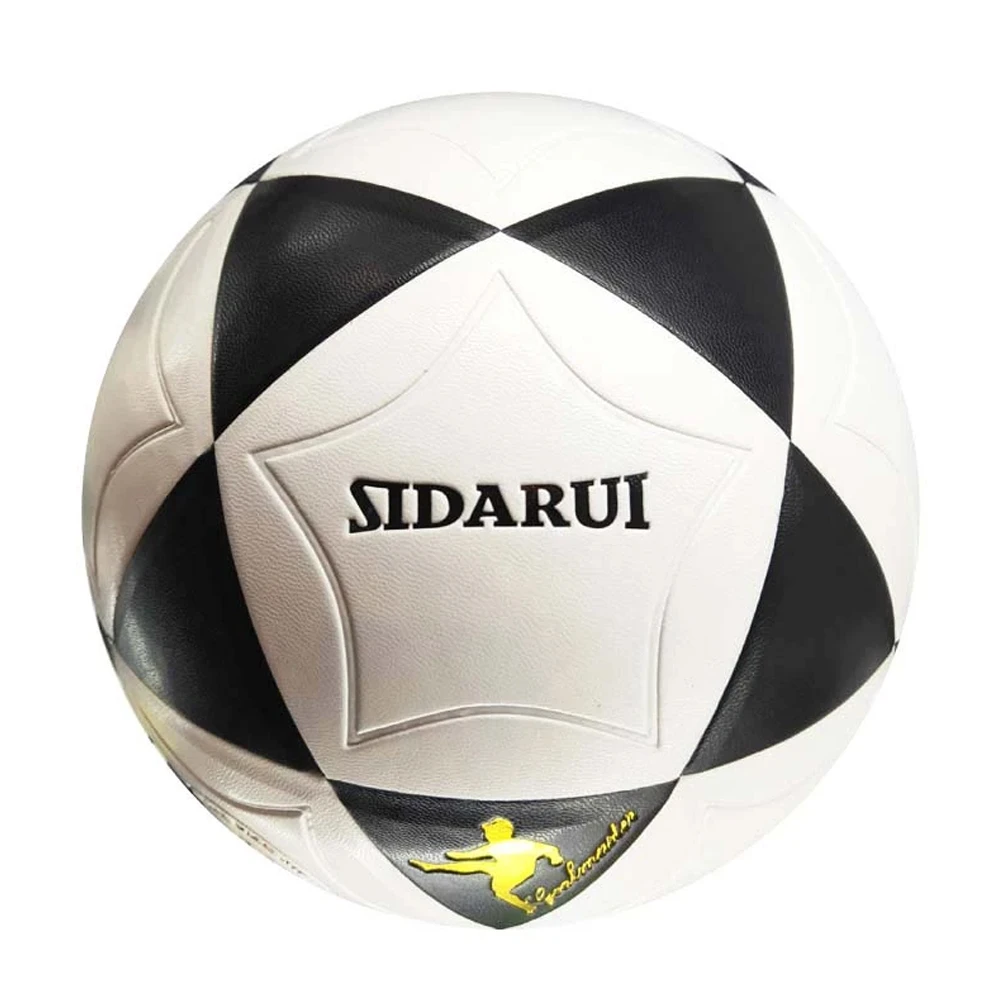
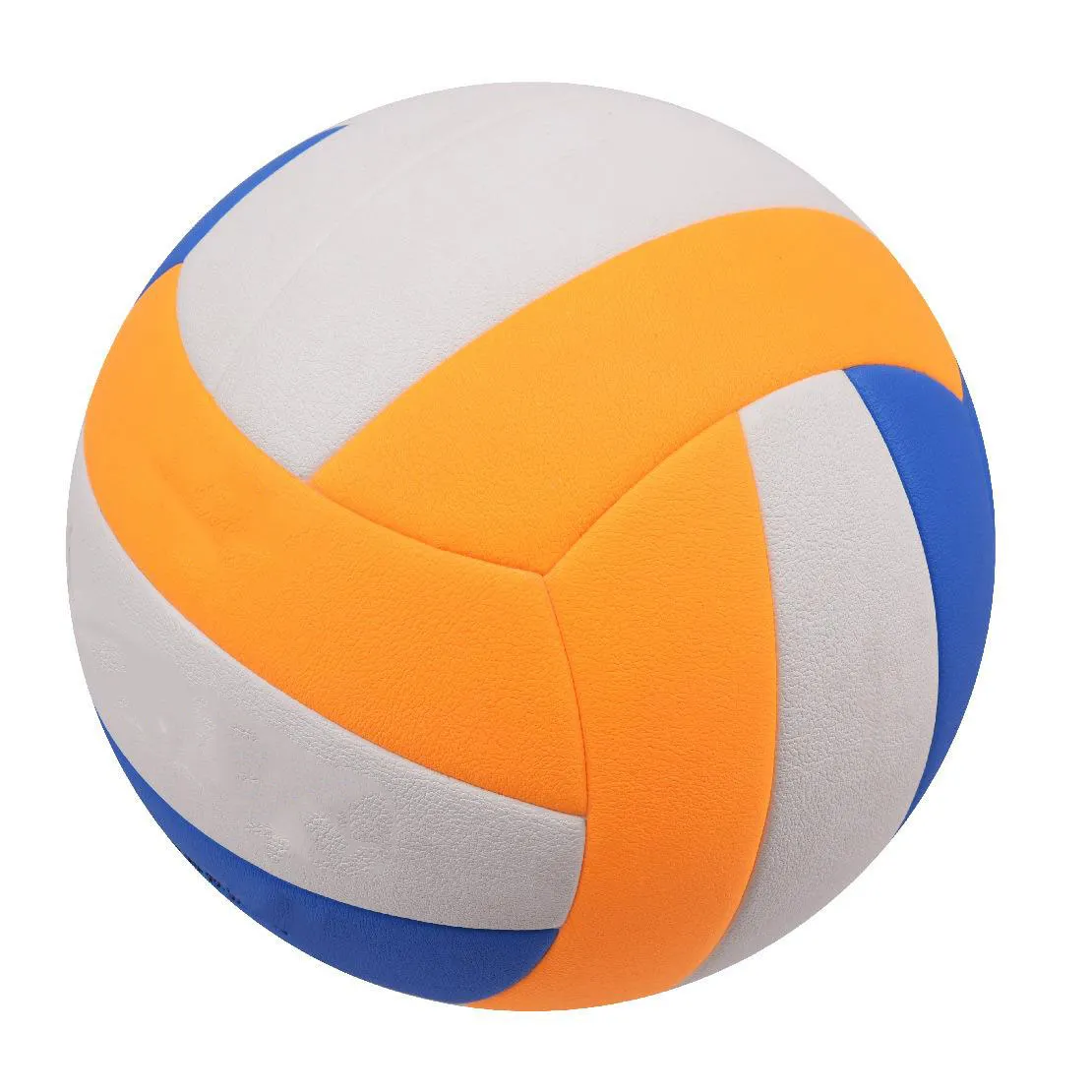
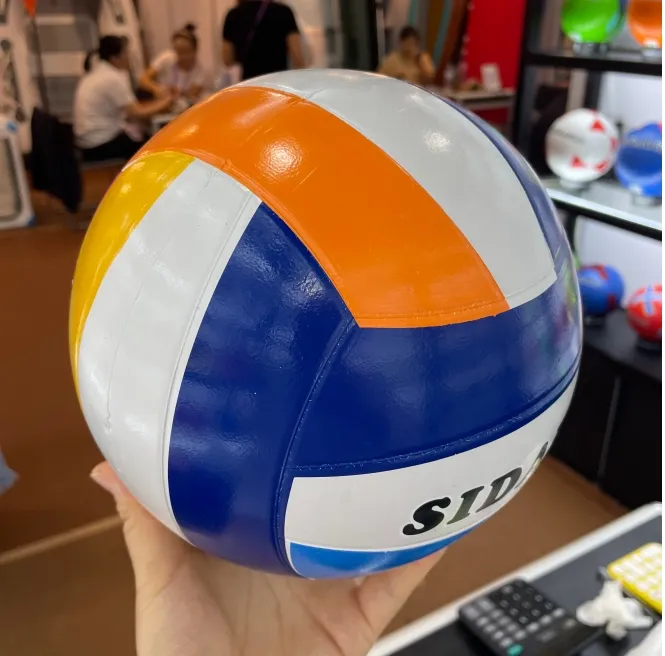
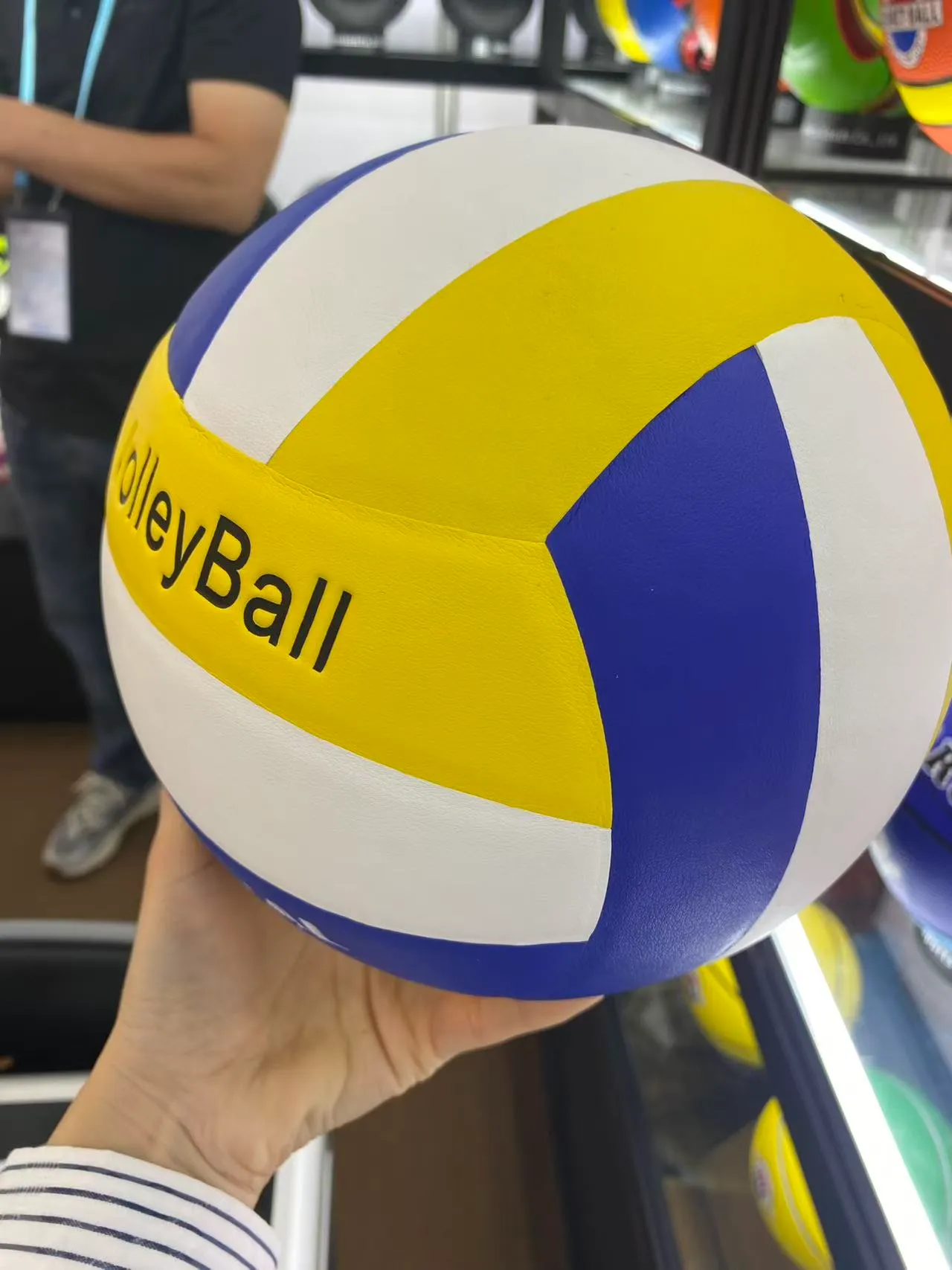
The world of volleyballs is… segmented, let’s say. You have indoor, beach, and even variations for specific training drills. Each demands different materials and construction. Indoor balls are typically leather or synthetic leather, needing a soft touch and precise flight. Beach volleyballs are rubberized, designed to withstand sand and weather. The construction—the number of panels, the stitching, the bladder—all impact performance. Starry Balls focuses on a multi-layered approach, combining high-grade synthetic leather with a butyl rubber bladder for superior air retention. We've been refining the panel design for years, iterating on the seam angles to improve aerodynamics. I suppose it’s the small details that really matter.
| Specification | Value | Details |
|---|---|---|
| Material (Cover) | Microfiber Synthetic Leather | High abrasion resistance |
| Bladder | Butyl Rubber | Superior air retention |
| Weight (Size 5) | 260-280g | Official weight range |
| Circumference (Size 5) | 65-67cm | Official size range |
Benefits & Use Cases of All Types Of Volleyball
The core benefit, honestly, is consistency. Facilities don't want to be replacing volleyballs mid-season. High school gyms, university programs, professional leagues – they all need a ball that can withstand constant use. Starry Balls’ construction minimizes deformation and maintains shape, leading to predictable bounce and flight. We’ve seen a noticeable reduction in complaints about inconsistent ball behavior. It’s a subtle thing, but it adds up. Plus, our textured surface provides better grip, improving player control. I’ve noticed players can really put some spin on the ball. We’re also getting requests for custom branding, which is becoming increasingly popular.
| Vendor | Durability | Price (per ball) | Customization |
|---|---|---|---|
| Starry Balls | Excellent | $45 - $60 | Full |
| Molten | Good | $50 - $70 | Limited |
| Mikasa | Average | $35 - $50 | Basic |
Cost, Maintenance & User Experience
The initial cost is a consideration, of course. Starry Balls aren’t the cheapest on the market, but many engineers say the longevity justifies the investment. The total cost of ownership is lower because you’re replacing fewer balls. Maintenance is straightforward—occasional wiping to remove dirt and debris. We recommend proper storage to prevent deformation. We had a client, the University of Central Florida, mention they saw a 30% reduction in ball replacement costs after switching to our product. That kind of feedback is invaluable. User feedback generally focuses on the consistent feel and improved grip – players seem to appreciate that.
Sustainability & Market Trends
Sustainability is becoming increasingly important. We’re exploring bio-based materials for future generations of volleyballs, but it's a tricky balance between performance and environmental impact. The market is definitely shifting towards higher-quality, more durable products. Facilities are willing to pay a premium for something that lasts. There’s also a growing demand for customization – teams want to represent their brand. And, oddly enough, there's a lot of buzz around training balls with specific weight distributions for skill development. It's a dynamic field, that’s for sure.
Frequently Asked Questions about All Types Of Volleyball
- What is All Types Of Volleyball and how does it work?
- All Types Of Volleyball refers to the diverse range of balls designed for various volleyball disciplines - indoor, beach, and specialized training. They work by combining a durable outer cover (typically synthetic or leather) with an inflatable bladder to provide bounce and flight characteristics.
- What are the main benefits of using All Types Of Volleyball in industrial applications?
- The key benefits include increased durability leading to lower replacement costs, consistent performance for reliable gameplay, and enhanced grip for improved player control. These factors are vital for facilities and teams.
- How does All Types Of Volleyball compare to traditional alternatives?
- Compared to older models, All Types Of Volleyball often feature advanced materials and construction techniques like multi-layered panels and butyl rubber bladders. These improvements translate to superior air retention, shape retention, and overall longevity.
- What industries can benefit most from All Types Of Volleyball implementation?
- Industries that benefit significantly include educational institutions (high schools and universities), professional sports leagues, recreational facilities, and volleyball training centers.
Conclusion on All Types Of Volleyball from china
Ultimately, choosing the right volleyball isn’t just about price—it’s about long-term value. Starry Balls aims to provide that value through durable construction, consistent performance, and a commitment to quality. It's a deceptively complex product, but one that can make a real difference. Visit our website: https://www.starryballs.com
- Invest in quality for a longer-lasting game.