Feb . 11, 2026 02:45
Understanding the Size of a Volleyball: A Comprehensive Guide
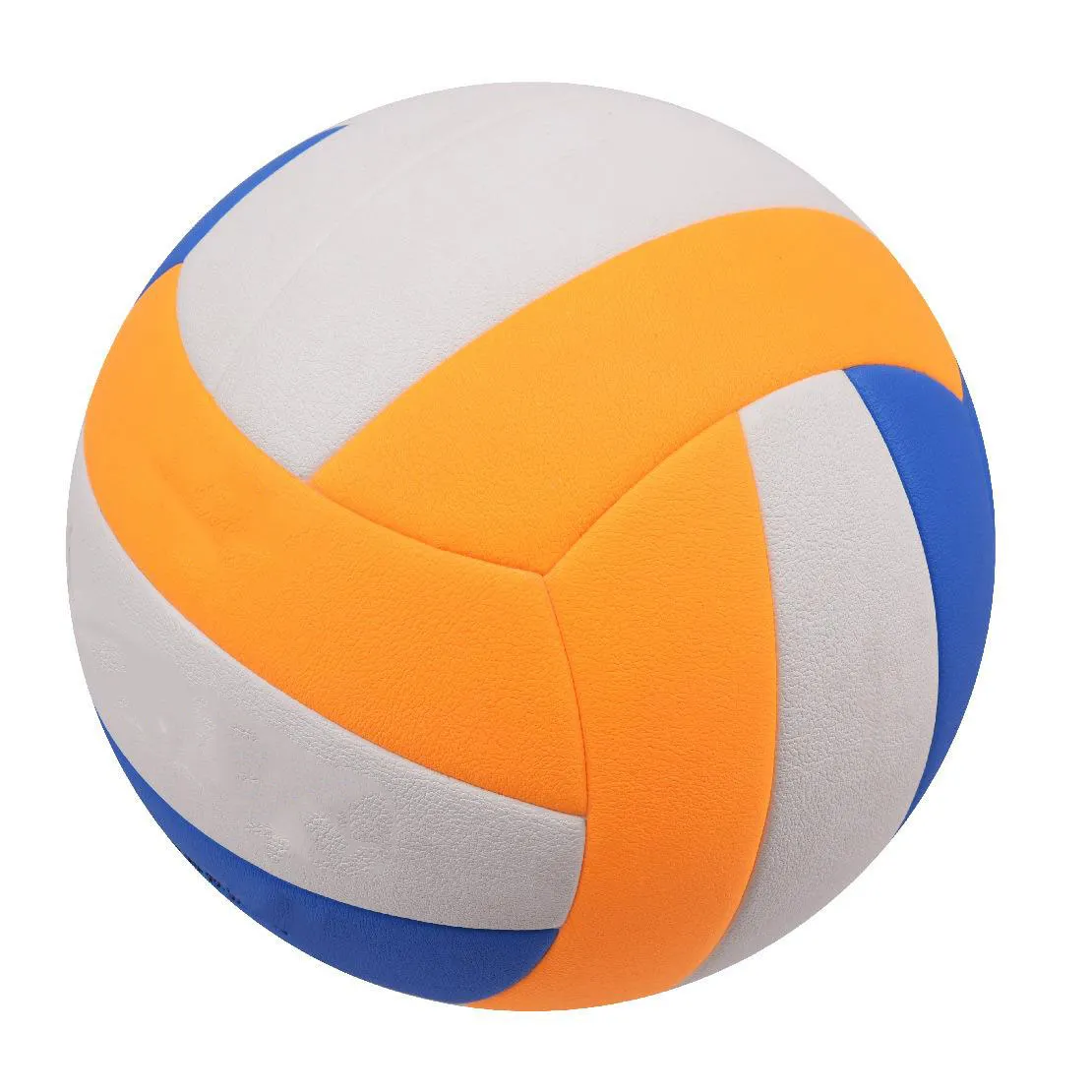
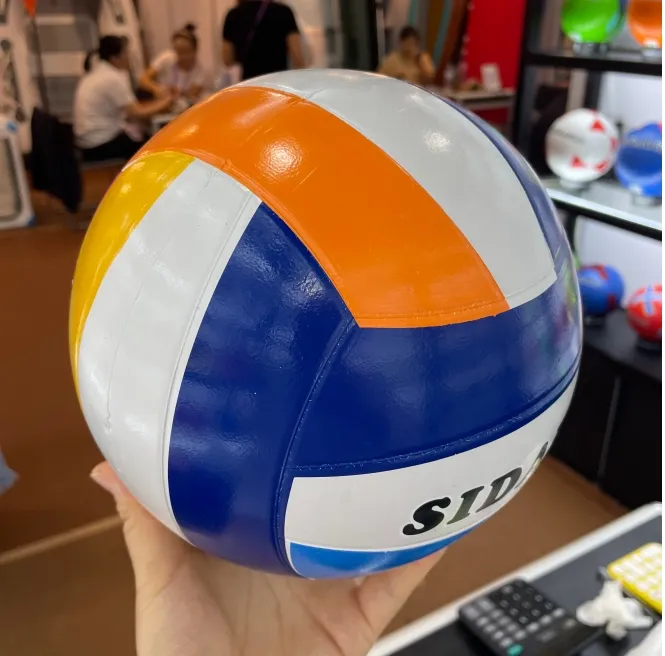
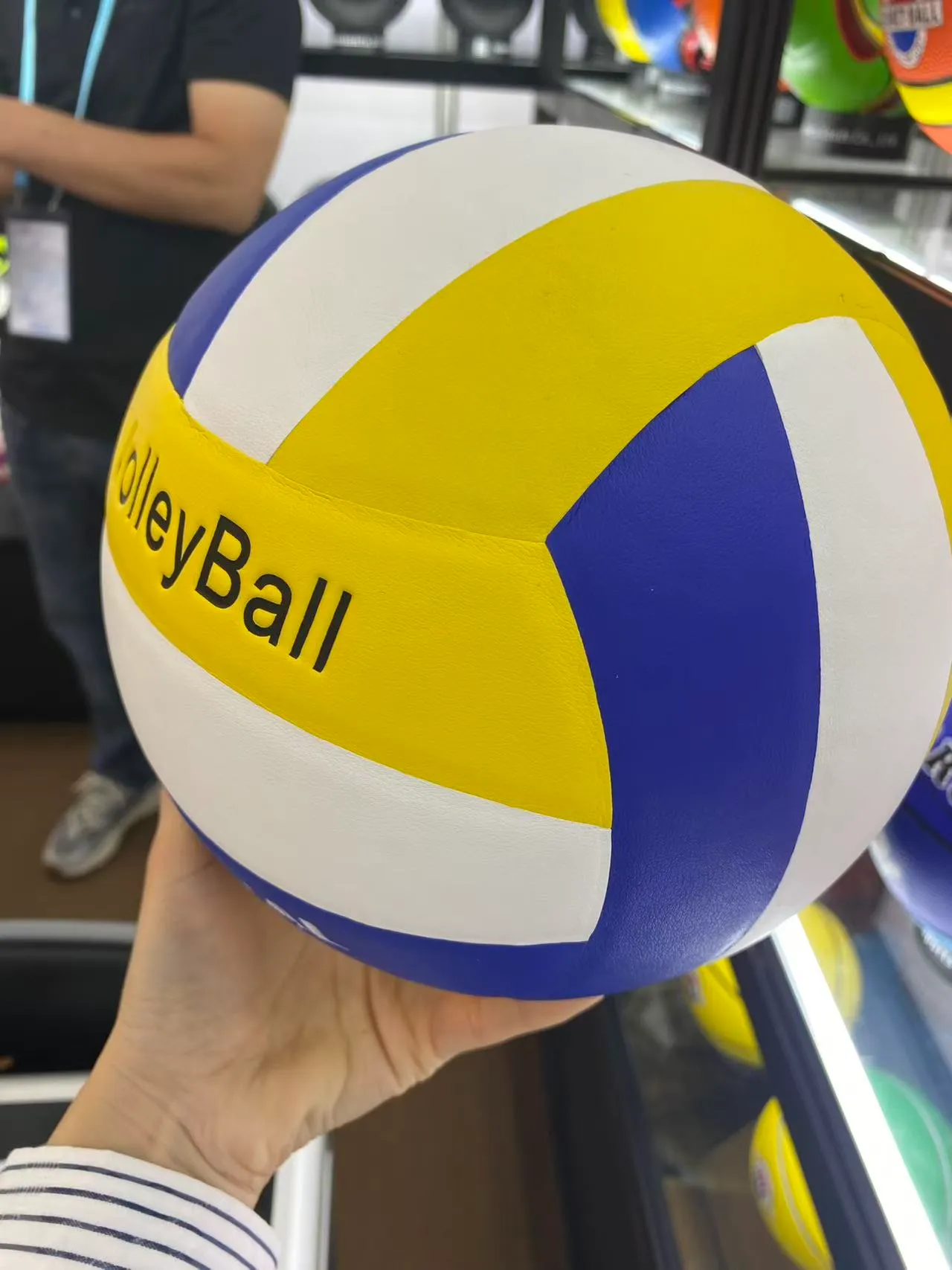
When selecting a volleyball for recreational play, training, or competition, understanding its size is crucial for optimal performance and enjoyment. The size of a volleyball isn’t a single fixed measurement; it varies based on the age and skill level of the players. This guide provides a detailed overview of standard volleyball sizes, weights, and regulations, helping you choose the right ball for your needs. Whether you're a beginner or a seasoned athlete, choosing the correct size volleyball can significantly impact your gameplay and overall experience. Explore our range of high-quality volleyballs at Starryballs.com.

Official Volleyball Sizes: A Detailed Breakdown
The Fédération Internationale de Volleyball (FIVB), the governing body for volleyball worldwide, sets specific regulations for ball size and weight. These standards ensure fair play across all levels of competition. There are two primary sizes: Size 5 and Size 7. Size 5 volleyballs are used in men’s and women’s international and professional play. Size 7 are used for children and youth. These specifications aren't arbitrary; they're based on extensive testing to find the optimal balance between ball control, power, and player safety.
Key Takeaway: Understanding the official sizes dictated by the FIVB is fundamental for competitive play and ensuring fairness for all participants.
Size 5 Volleyball: The Standard for Competitive Play
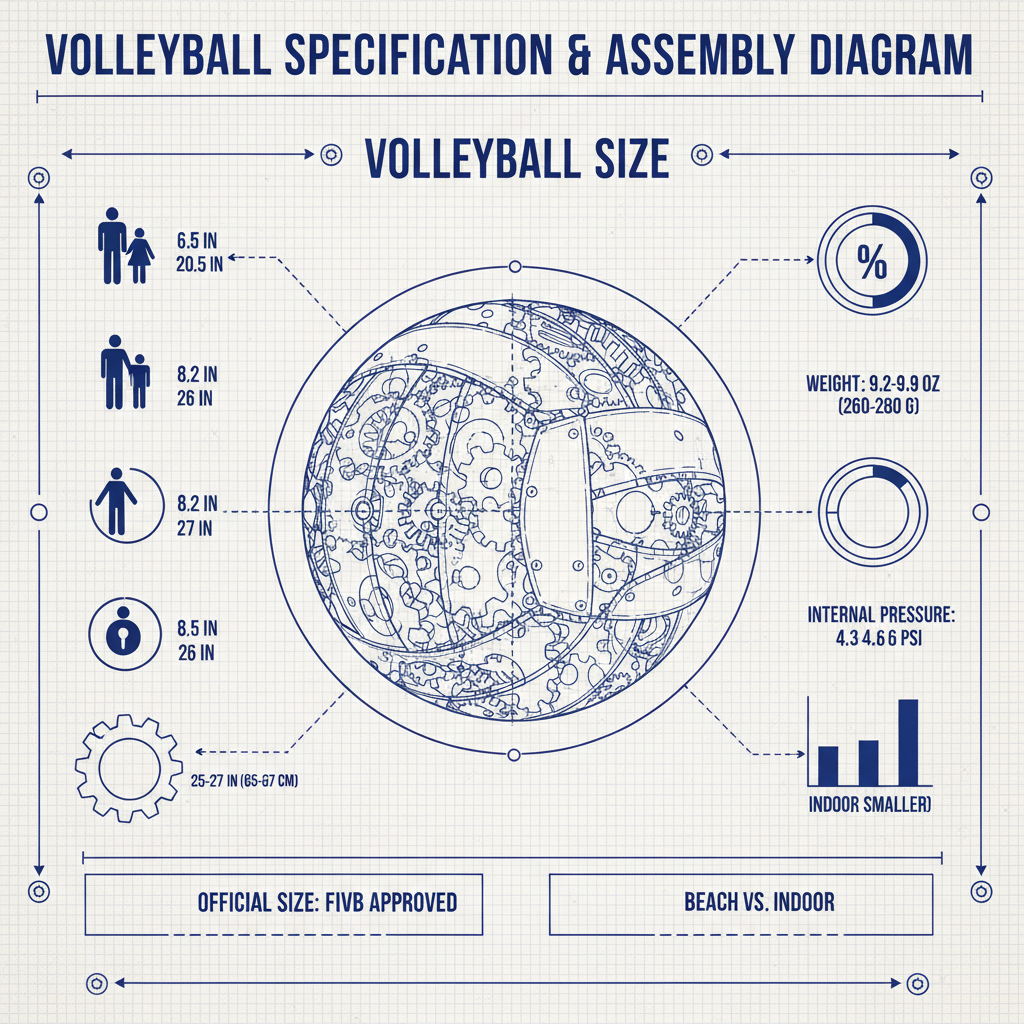
The Size 5 volleyball is the most commonly used ball in official competitions. Its circumference typically ranges between 65-67 centimeters (approximately 25.6-26.4 inches), and it weighs between 260-280 grams (9.2-9.9 ounces). These specifications allow players to generate maximum power and control during serves, sets, and attacks. The consistent weight and size also contribute to a more predictable ball trajectory, which is crucial for high-level play. You can find official Size 5 volleyballs at Starryballs.com.
Size 5 Volleyball Specifications:
• Circumference: 65-67 cm (25.6-26.4 inches)
• Weight: 260-280 grams (9.2-9.9 ounces)
• Commonly used in: Men's and Women's professional and international competitions
Size 7 Volleyball: The Ideal Choice for Beginners and Youth
Size 7 volleyballs are specifically designed for younger players. These balls are smaller and lighter, making them easier to handle and control for those still developing their skills. A Size 7 volleyball has a circumference of 62-64 centimeters (approximately 24.4-25.2 inches) and weighs between 200-220 grams (7.1-7.8 ounces). Using a Size 7 ball helps children build proper technique and confidence before transitioning to the larger and heavier Size 5 ball. Starryballs offers a wide selection of youth volleyballs.
Choosing the Right Size: A Quick Guide
Selecting the appropriate volleyball size is vital for skill development and enjoyment. For players under 12, Size 7 is recommended. As players mature and gain strength, transitioning to Size 5 is appropriate, typically around the age of 13 or 14. Ultimately, the best way to determine the right size is to consider the player's age, skill level, and comfort. Browse our selection of volleyballs at different sizes at Starryballs.com and find the perfect fit.
Conclusion: Finding Your Perfect Volley
Understanding the size of a volleyball is essential for optimal performance and enjoyment. Whether you’re a beginner or a seasoned player, choosing the correct size will improve your technique, boost your confidence, and enhance your overall experience. At Starryballs, we offer a wide range of volleyballs in both Size 5 and Size 7 to meet your specific needs. Choose wisely, play hard, and enjoy the game!
Frequently Asked Questions (FAQs)
What is the difference between a Size 5 and Size 7 volleyball?
The primary difference lies in their size and weight. Size 5 volleyballs are larger and heavier, designed for adults and competitive play. They have a circumference of 65-67cm and weigh 260-280 grams. Size 7 volleyballs are smaller and lighter, with a circumference of 62-64cm and a weight of 200-220 grams, making them ideal for younger players and beginners. The reduced size and weight enhance control and build technique for developing athletes.
At what age should a player transition to a Size 5 volleyball?
Generally, players should transition to a Size 5 volleyball around the ages of 13-14, or when they have developed sufficient strength and skill. However, this can vary depending on individual development. Coaches often assess players' ability to comfortably handle the larger ball and make accurate passes and sets before making the switch. Listen to your body and your coach's advice to determine the best timing for the transition.
Are there different types of Size 5 volleyballs for indoor and beach play?
Yes, there are distinct differences. Indoor volleyballs typically have a softer, smoother surface for better grip and control, and they're often lighter. Beach volleyballs are made with a more durable, water-resistant material and are slightly larger and heavier to compensate for wind resistance. The composition and construction of each type are optimized for its specific playing environment. Starryballs offers a range of volleyballs designed for both indoor and beach volleyball.
How do I properly inflate a volleyball?
Volleyballs are typically inflated to a pressure of 4.3 to 4.6 psi (pounds per square inch). Using a volleyball-specific pump with a pressure gauge is recommended to ensure accurate inflation. Overinflation can make the ball too hard and reduce its performance, while underinflation can make it sluggish and difficult to control. Always check the manufacturer's recommendations for the specific ball you are using.