Feb . 11, 2026 02:45
Understanding the Standard Size of Volleyball
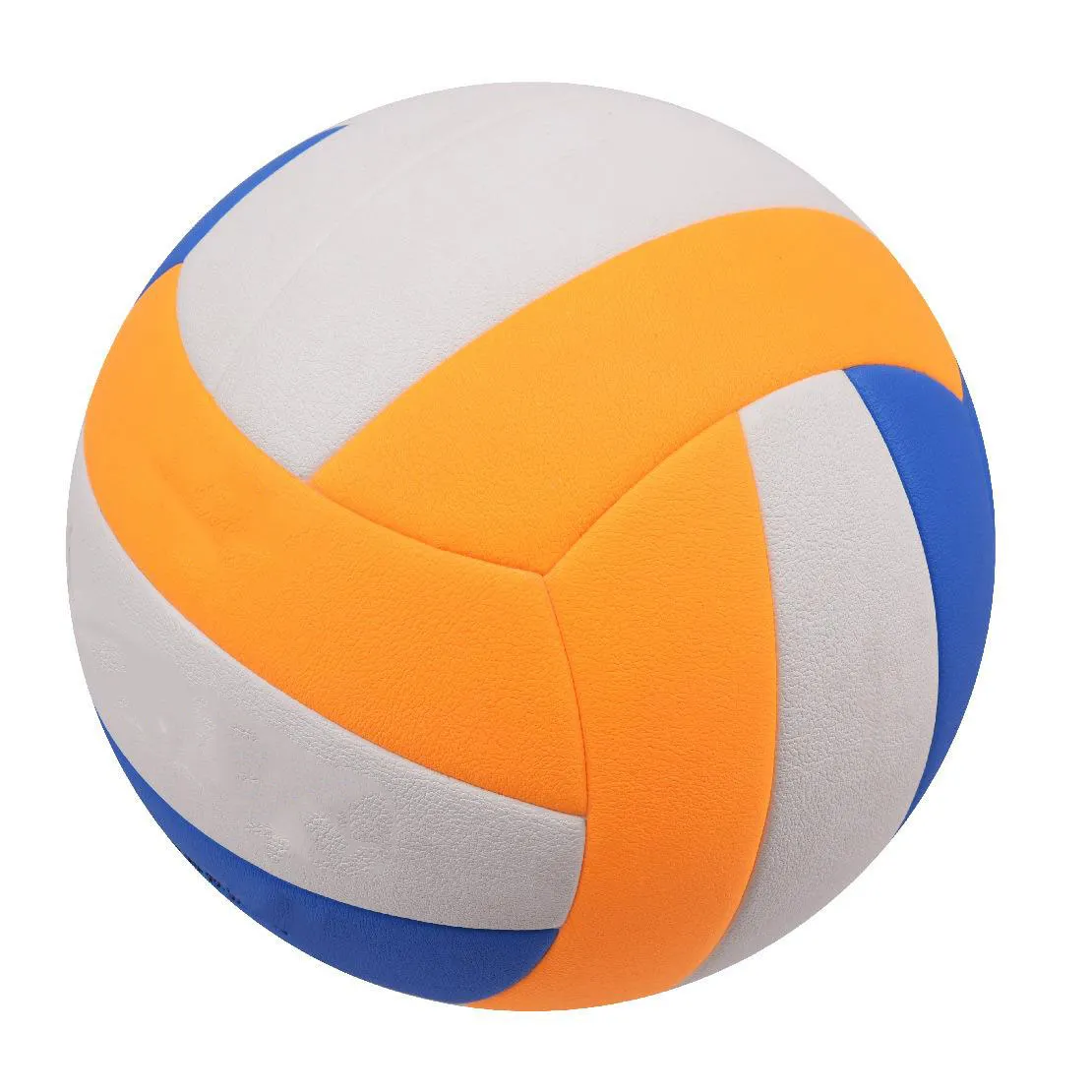
When choosing a volleyball, understanding the standard size of volleyball is crucial for optimal gameplay and enjoyment. Different sizes cater to different age groups and skill levels. This guide will explore the official volleyball dimensions, variations for specific uses, and how to select the right ball for your needs. Knowing the correct size ensures a better playing experience, whether you're a beginner or a seasoned player. Starry Balls offers a wide range of volleyballs to suit all requirements.
Official Volleyball Dimensions: A Detailed Look
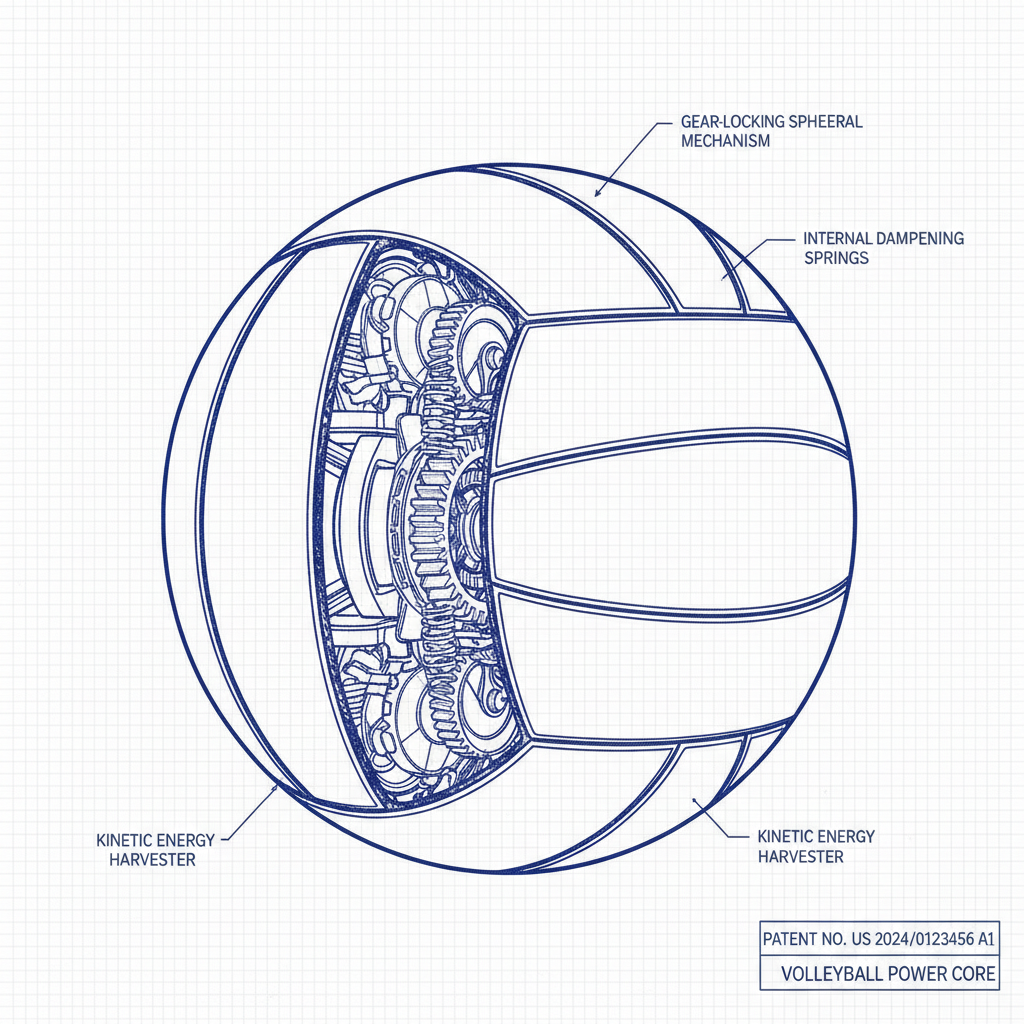
The official size of a volleyball, as governed by organizations like FIVB (Fédération Internationale de Volleyball), has specific measurements for both circumference and weight. A standard volleyball typically has a circumference of 65-67 centimeters (25.6-26.4 inches) and a weight of 260-280 grams (9.2-9.9 ounces). These specifications are vital for professional play and are often adhered to in competitive leagues. These precise dimensions are designed to ensure fair play and consistent performance across all levels of competition. Starry Balls adheres to these standards in its production of high-quality volleyballs.
Key Takeaway: The official volleyball size ensures fair play, consistent bounce, and optimal handling during matches.
Volleyball Sizes by Age Group and Skill Level
While the standard size applies to adult and professional play, there are variations for younger players and recreational use. Youth volleyballs are often smaller and lighter to accommodate smaller hands and less developed strength. For instance, a size 5 volleyball (slightly smaller and lighter) is commonly used for players aged 12-14, while even smaller sizes are used for younger age groups. This approach helps ensure that young players can learn the fundamentals of the game without being overwhelmed by the size or weight of the ball. Starry Balls offers a range of sizes catering to all age groups.
Youth Volleyball Sizes:
• Ages 8-10: Size 3 (Circumference: 51-53cm)
• Ages 10-12: Size 4 (Circumference: 57-59cm)
• Ages 12-14: Size 5 (Circumference: 62-64cm)
Comparing Volleyball Sizes: A Visual Guide
Understanding the differences in size can be easier with a comparison chart. Here's a table illustrating the common volleyball sizes and their corresponding age groups:
Types of Volleyballs and Their Sizes
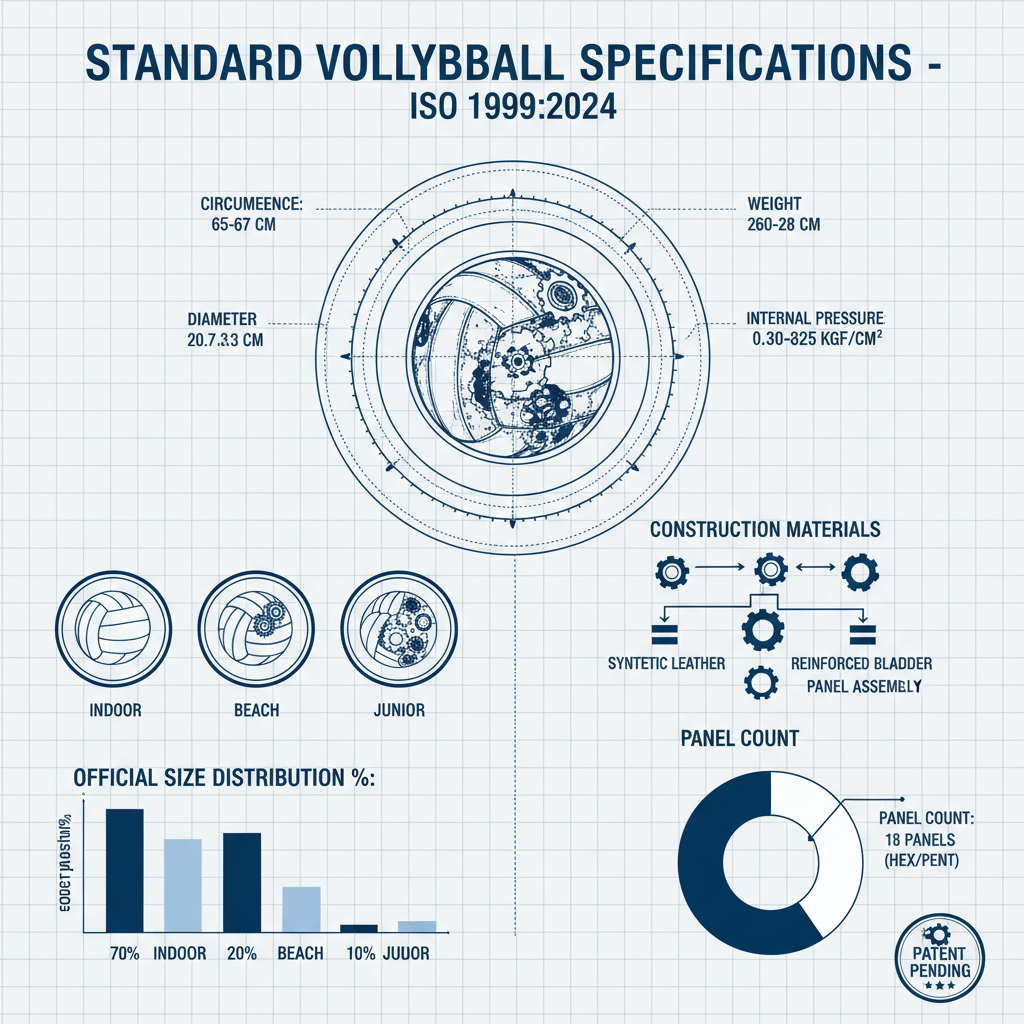
Beyond age-specific sizes, volleyballs also vary based on their construction and intended use. Beach volleyballs, for instance, are typically slightly larger and softer than indoor volleyballs to account for the effects of wind and sand. Different materials used in construction – leather, synthetic leather, or composite materials – can also impact the ball’s weight and feel. Starry Balls offers a diverse selection of volleyballs to cater to all these variations.
Choosing the Right Volleyball Size: Key Considerations
Selecting the correct volleyball size is crucial for maximizing performance and enjoyment. Consider the age and skill level of the players, the environment (indoor vs. beach), and the type of play (recreational vs. competitive). Prioritizing comfort and control will lead to a more positive experience. Investing in a quality volleyball from a reputable brand like Starry Balls ensures durability and consistent performance.
Conclusion: Finding the Perfect Fit
Understanding the standard size of volleyball and the variations available empowers you to make the right choice for your needs. Whether you’re a young player just starting out or a seasoned athlete, selecting the appropriate size and type of volleyball is essential for maximizing your enjoyment and performance. Choose quality and prioritize the right fit for a game you’ll love.
Frequently Asked Questions (FAQs)
What is the official size volleyball used in professional matches?
The official size volleyball used in professional matches, governed by organizations like FIVB, has a circumference of 65-67 centimeters (25.6-26.4 inches) and a weight of 260-280 grams (9.2-9.9 ounces). These specifications ensure consistency and fairness in high-level competition. The ball is typically constructed with a leather or synthetic leather cover and a rubber bladder for optimal performance. These dimensions allow for a predictable bounce and accurate handling by professional players.
How do I determine the best volleyball size for my child?
Determining the best volleyball size for your child depends on their age and skill level. For children aged 8-10, a size 3 volleyball is generally recommended, while those aged 10-12 can use a size 4. Players aged 12-14 typically transition to a size 5, and those 14 and older can use the official size. It’s important to consider your child's hand size and strength when making your selection. A ball that’s too large or heavy can hinder their development and enjoyment of the game.
What are the key differences between indoor and beach volleyball sizes?
Beach volleyballs are generally slightly larger and softer than indoor volleyballs. The official size for beach volleyball is 68-70 centimeters in circumference, compared to 65-67 centimeters for indoor. This larger size helps compensate for the effects of wind and sand. Beach volleyballs also have a lower pressure, making them softer to the touch and easier to control in sandy conditions. Starry Balls provides both indoor and beach volleyballs tailored to the unique demands of each sport.