Jan . 30, 2026 14:55
Understanding Ball Size in Volleyball: A Comprehensive Guide
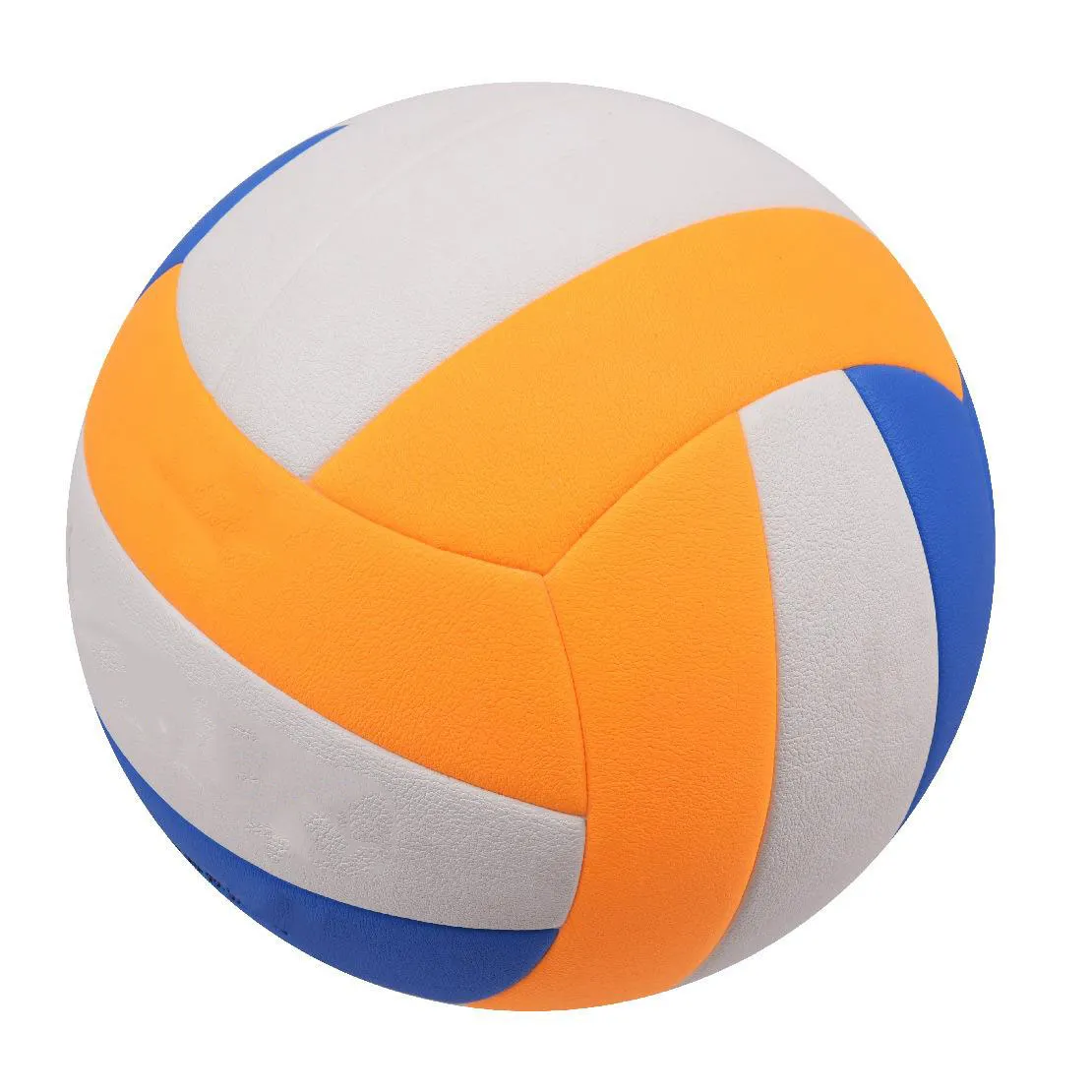
Volleyball, a dynamic and fast-paced sport, relies heavily on the correct equipment, and a crucial element is the ball size. Choosing the right ball size isn’t just about preference; it’s about optimizing gameplay for different age groups and skill levels. At Starry Balls, we’re dedicated to providing high-quality volleyballs tailored to every player. This article dives deep into the world of volleyball ball sizes, explaining the regulations, differences, and which ball is best suited for your needs. Understanding these nuances can significantly enhance your game and enjoyment.
What are the Official Volleyball Ball Sizes?
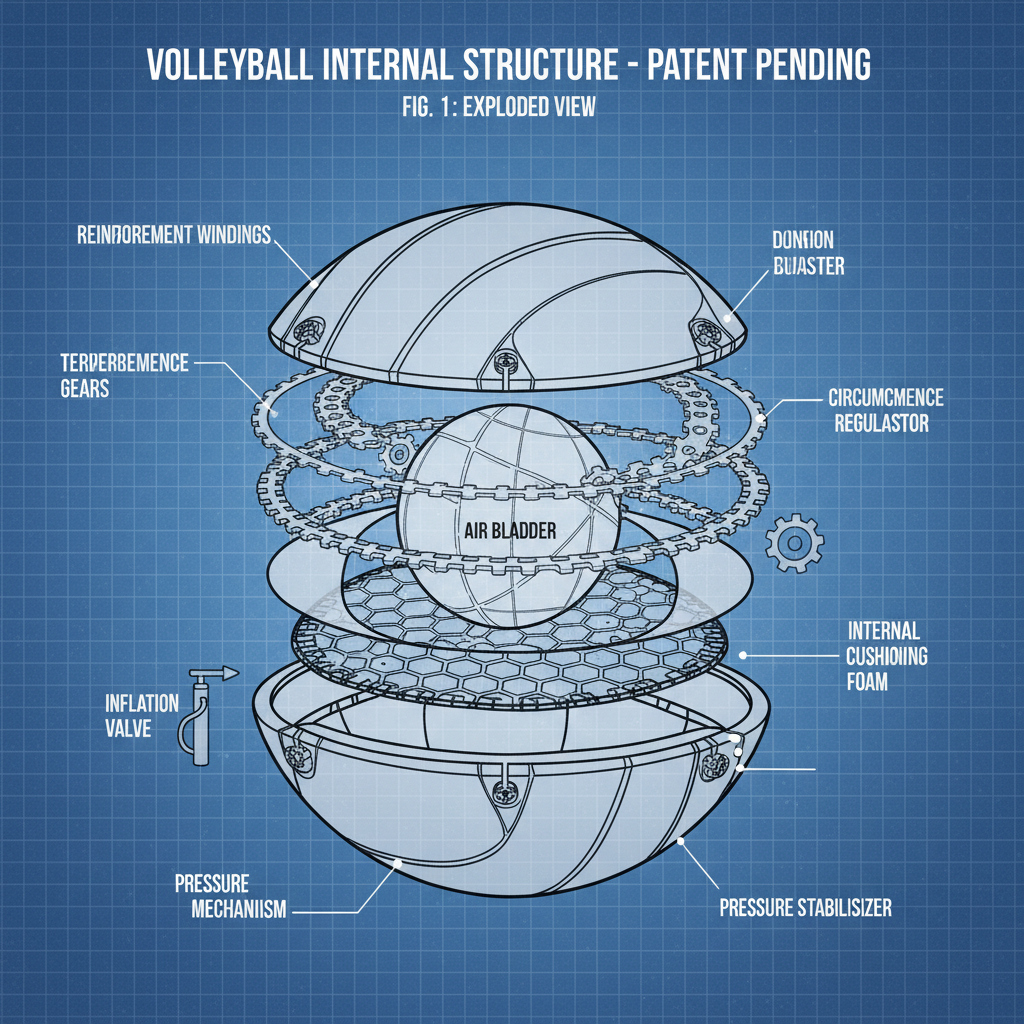
The Fédération Internationale de Volleyball (FIVB), the governing body for volleyball worldwide, sets the official standards for ball size and weight. These standards are categorized based on age and gender. Generally, there are two primary ball sizes used: Size 5 and Size 7. Size 5 is used for women's and co-ed competitions, while Size 7 is specifically for men's competitions. Knowing the distinctions between these sizes is fundamental to ensuring fair and consistent gameplay. Choosing the right ball helps develop proper technique and control, which is essential for progression in the sport.
Key Takeaway: FIVB regulations dictate specific ball sizes for men’s, women’s, and youth volleyball. Using the correct size is paramount for skill development and competitive fairness.
Delving into Size 5 Volleyballs
Size 5 volleyballs are the standard for women’s international and domestic competitions, as well as co-ed play. They typically have a circumference of 65-67 cm (25.6-26.4 inches) and a weight of 260-280 grams (9.2-9.9 ounces). The smaller size and lighter weight make them more manageable for players with less upper body strength, enabling greater control and precision during serves, sets, and attacks. At Starry Balls, our Size 5 volleyballs are designed for optimal performance and durability.
Size 5 Specifications:
• Circumference: 65-67 cm (25.6-26.4 inches)
• Weight: 260-280 grams (9.2-9.9 ounces)
• Typically used for: Women's and co-ed volleyball
Understanding Size 7 Volleyballs: The Men’s Standard
Size 7 volleyballs are exclusively used in men’s competitions. They have a larger circumference of 74-78 cm (29.1-30.7 inches) and a heavier weight of 280-300 grams (9.9-10.6 ounces). This larger size provides a greater surface area for contact, allowing male players to generate more power and spin. The increased weight also contributes to more forceful attacks and blocking. Choosing a Size 7 ball for men’s play is critical for maintaining the integrity and competitive balance of the game.
Youth Volleyball Ball Sizes: Fostering Skill Development
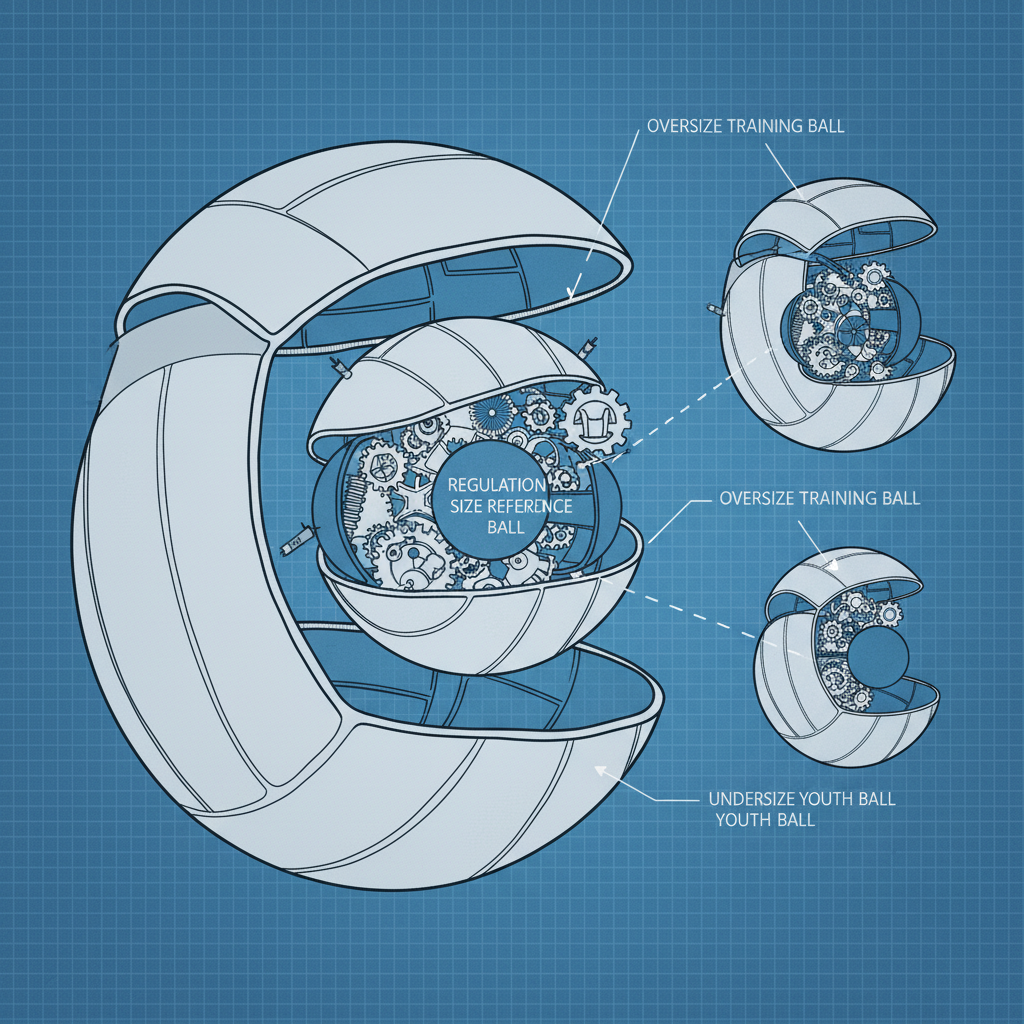
For younger players, using appropriately sized balls is crucial for developing fundamental skills and preventing injuries. Youth volleyballs are generally smaller and lighter than Size 5 balls, making them easier for children to handle and control. Common youth ball sizes include Junior (Size 3) and Youth (Size 4). Size 3 balls are ideal for beginners aged 8 and under, while Size 4 balls are suitable for ages 9-12. Transitioning to a Size 5 ball can occur as players mature and their strength and skill levels improve.
Choosing the Right Ball at Starry Balls
At Starry Balls, we offer a wide range of volleyballs in all official sizes, ensuring you can find the perfect ball for your needs. We carefully select materials and construction techniques to deliver superior performance, durability, and feel. Whether you're a recreational player, a competitive athlete, or a coach, we have a ball that will enhance your game. We pride ourselves on offering high-quality products at competitive prices, making volleyball accessible to everyone. Browse our selection today and experience the Starry Balls difference!
Conclusion: Selecting the Right Size for Optimal Play
Understanding volleyball ball sizes is crucial for players of all levels. Choosing the correct size not only enhances performance but also promotes skill development and reduces the risk of injury. At Starry Balls, we’re committed to providing the best possible equipment to help you excel in the sport. Don’t hesitate to reach out if you need help selecting the perfect ball for your game!
Frequently Asked Questions (FAQs)
What's the difference between a Size 5 and Size 7 volleyball?
The primary difference lies in their size and weight. Size 5 volleyballs are smaller and lighter, making them ideal for women’s and co-ed play. They have a circumference of 65-67 cm and weigh 260-280 grams. Size 7 balls are larger and heavier, with a circumference of 74-78 cm and a weight of 280-300 grams, and are exclusively used in men's competitions. The size difference is tailored to the average strength and physical attributes of male and female players, ensuring fair and effective gameplay. Using the correct size contributes to better control, power, and overall performance.
When should a youth player transition to a Size 5 volleyball?
The transition to a Size 5 volleyball typically occurs when a youth player reaches the ages of 12-14, or when they demonstrate sufficient strength and skill development. Coaches often assess players' ability to handle the larger and heavier ball during training sessions. If a player struggles with control or power, it's best to continue using a Size 4 ball for a bit longer. The goal is to ensure a smooth and comfortable transition that doesn't hinder skill progression.
Are there different types of Size 5 and Size 7 volleyballs?
Yes, even within Size 5 and Size 7, there are variations in construction and materials. Volleyballs can be made with different outer layers (leather, synthetic leather, microfiber) and inner linings, affecting their feel, durability, and performance. Some balls are specifically designed for indoor play, while others are optimized for beach volleyball. Starry Balls offers a diverse range of volleyballs to suit various playing surfaces and preferences.
How do I properly inflate a volleyball?
Proper inflation is crucial for optimal performance. Most volleyballs have a recommended pressure range (typically 4.3-4.6 psi). Use a ball pump with a pressure gauge to inflate the ball to the correct pressure. Over-inflating can make the ball too hard and reduce its feel, while under-inflating can make it too soft and difficult to control. Regularly check the pressure and adjust as needed. A properly inflated ball will provide the best bounce, control, and overall playing experience.