Feb . 24, 2026 11:15
Volleyball Leather Ball Price: A Comprehensive Guide
Finding the right volleyball, especially a leather one, involves understanding the factors that influence volleyball leather ball price. Quality, construction, and brand all play significant roles. This guide will delve into those details, helping you make an informed decision whether you're a recreational player, coach, or running a sporting goods store. We’ll explore different price points, what you get for your money, and where to find the best deals.
Factors Influencing Volleyball Leather Ball Price
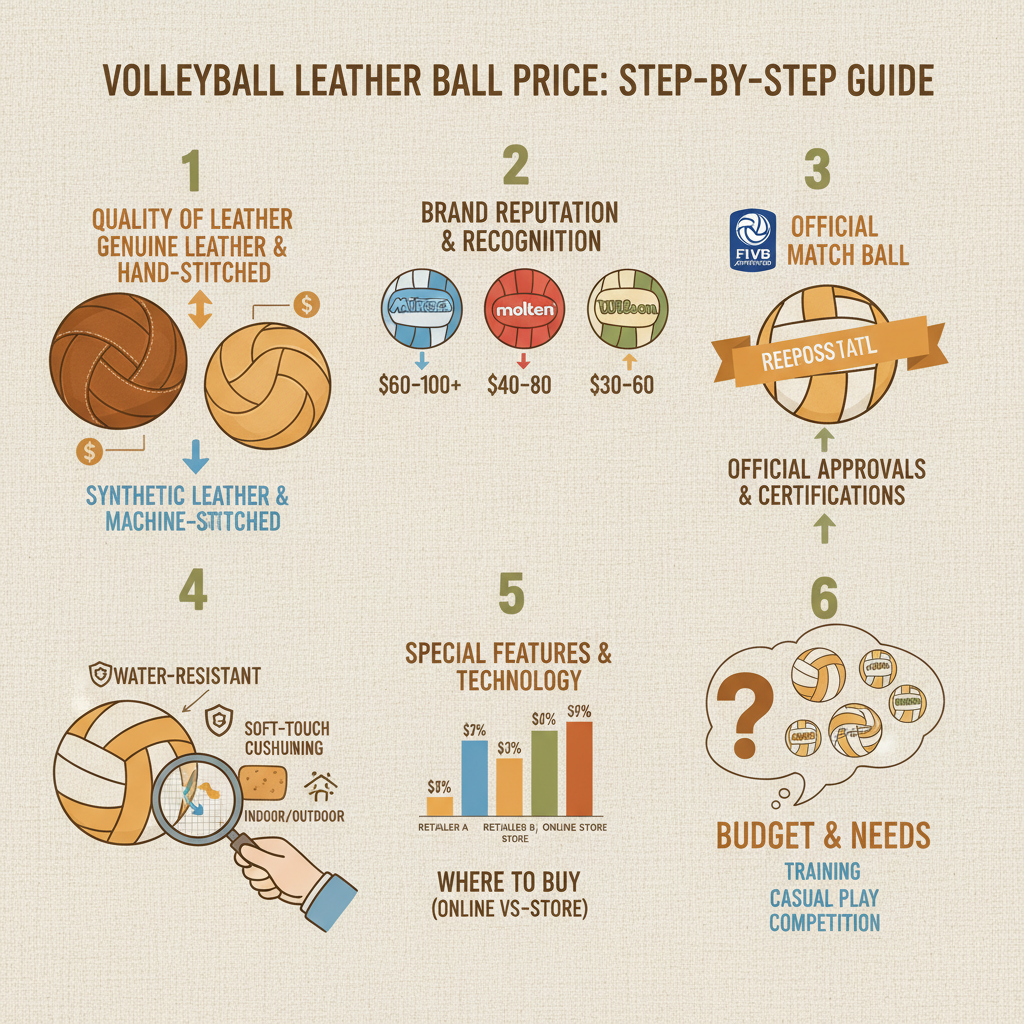
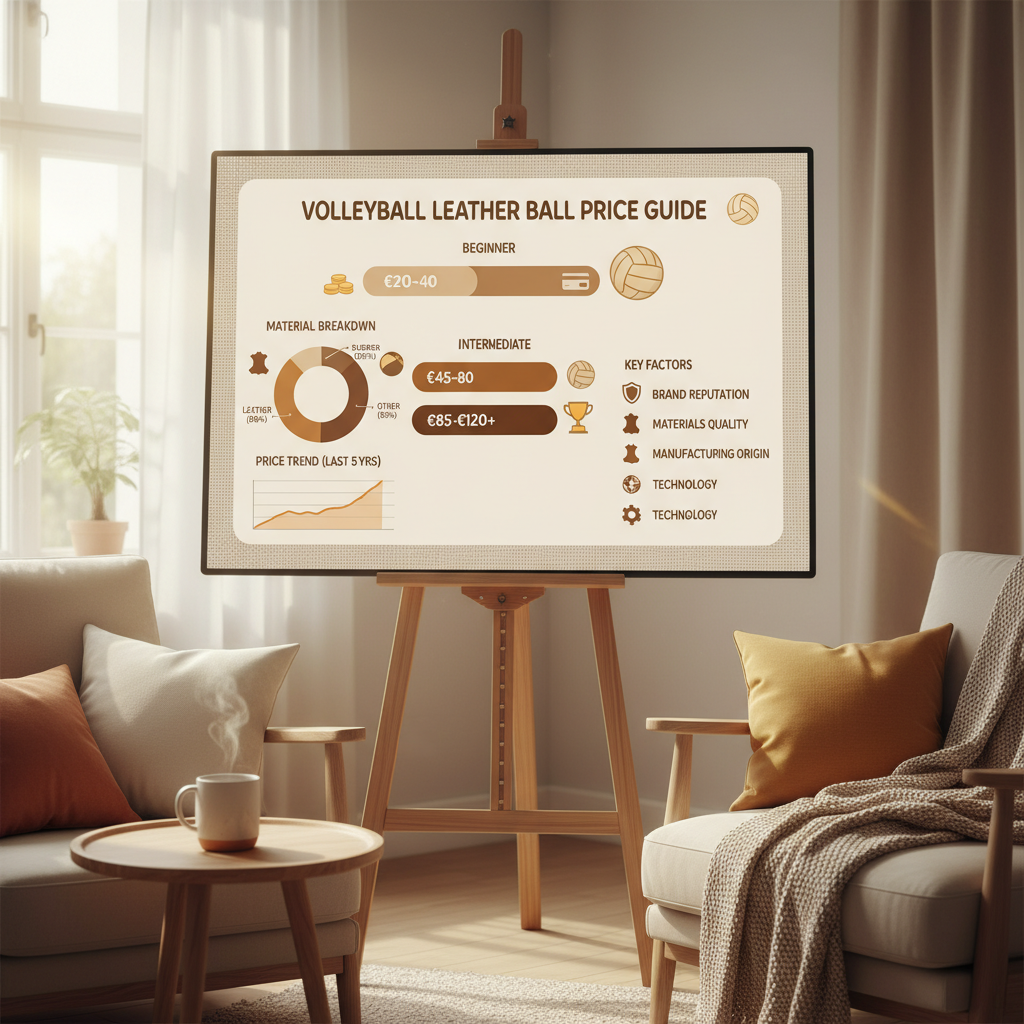
The price of a volleyball leather ball is rarely simple. It's influenced by several key components. The quality of the leather itself is paramount; full-grain leather commands a higher price due to its durability and feel. Construction methods also matter – hand-stitched balls, though more expensive, generally offer superior longevity and performance compared to machine-stitched options. Brand reputation also has a big impact, as established brands with a history of quality often carry a premium. Finally, the internal bladder and overall design contribute to the overall cost. Understanding these factors allows you to prioritize what’s most important to you and your budget.
Key Takeaway: Leather quality, construction technique, brand prestige, and internal components all contribute to the final price of a volleyball leather ball.
Price Ranges for Volleyball Leather Balls
Volleyball leather ball prices can vary significantly. Generally, you can expect to find options within these ranges:
Leather Types & Their Impact on Price
The type of leather used significantly impacts the price. Full-grain leather, being the most durable and aesthetically pleasing, is naturally more expensive. Top-grain leather, while still good quality, is slightly less expensive as it’s been sanded to remove imperfections. Bonded leather, made from scraps, is the most affordable but also the least durable. When considering volleyball leather ball price, remember you often get what you pay for in terms of longevity and performance.
Leather Type Comparison:
• Full-Grain Leather: Highest quality, most durable, most expensive.
• Top-Grain Leather: Good quality, durable, moderately priced.
• Bonded Leather: Least expensive, least durable.
Comparing Popular Brands and Their Price Points
Several brands specialize in high-quality volleyballs. Mikasa, Molten, and Starry Balls are all well-respected names. Mikasa often commands a higher price due to its use in official competitions, while Molten provides a good balance of quality and affordability. Starry Balls focuses on delivering high-performance volleyballs at competitive price points. Researching different brands will help you find the best value for your needs.
Where to Buy & Finding the Best Deals
You can purchase volleyball leather balls from sporting goods stores, online retailers like Amazon, and directly from the manufacturer's website. Checking for sales, discounts, and clearance items can help you save money. Consider comparing prices from multiple sources before making a purchase. Starry Balls often runs promotions and offers competitive pricing, making it an excellent place to start your search.
Conclusion: Choosing the Right Leather Volleyball
Ultimately, the ideal volleyball leather ball depends on your budget, skill level, and intended use. By understanding the factors that influence price, comparing different brands, and shopping around for the best deals, you can find a high-quality ball that meets your needs and enhances your game.
Frequently Asked Questions (FAQs)
How long can I expect a leather volleyball to last?
The lifespan of a leather volleyball varies based on usage frequency and care. A high-quality, hand-stitched leather ball can last for several years with proper maintenance. Frequent use in abrasive conditions (e.g., outdoor concrete courts) will shorten its lifespan. Regular cleaning and storage in a cool, dry place can help extend its durability. Expect a mid-range machine-stitched leather ball to last 1-2 years with regular use.
What’s the difference between a hand-stitched and machine-stitched leather ball?
Hand-stitched leather balls are typically more durable and maintain their shape better than machine-stitched balls. This is because hand-stitching creates tighter, more consistent seams. Machine-stitched balls are generally more affordable but may be more prone to seam separation over time. The tighter seams of a hand-stitched ball also contribute to a more consistent bounce and feel during gameplay.
Are leather volleyballs suitable for outdoor use?
While leather volleyballs can be used outdoors, they are generally best suited for indoor play. Exposure to moisture, dirt, and abrasive surfaces can damage the leather and shorten its lifespan. If you plan to use a leather ball outdoors, consider applying a leather conditioner to help protect it from the elements and clean it thoroughly after each use. Synthetic leather volleyballs are often a better choice for regular outdoor play.
How do I properly care for a leather volleyball?
Proper care is crucial for extending the life of a leather volleyball. Regularly wipe down the ball with a damp cloth to remove dirt and sweat. Apply a leather conditioner occasionally to keep the leather supple and prevent cracking. Store the ball in a cool, dry place away from direct sunlight and extreme temperatures. Avoid using harsh chemicals or abrasive cleaners, as these can damage the leather.