Understanding the Modern Volleyball Ball: More Than Just Leather and Air
You know, when people think of volleyball, they picture beaches, sunshine… maybe a little spandex. But the actual ball itself? It's a fascinating piece of engineering, frankly. It's come a long way from the stitched leather balls of the early days. I've spent enough time around competitive setups to see how crucial the ball's performance is—it’s often overlooked, but it makes or breaks a point. There's a real art to getting that feel just right. And frankly, it’s a surprisingly competitive space, with innovation happening all the time. We're seeing materials science really impact the game, and it's making a difference.
Delving into the Design & Materials
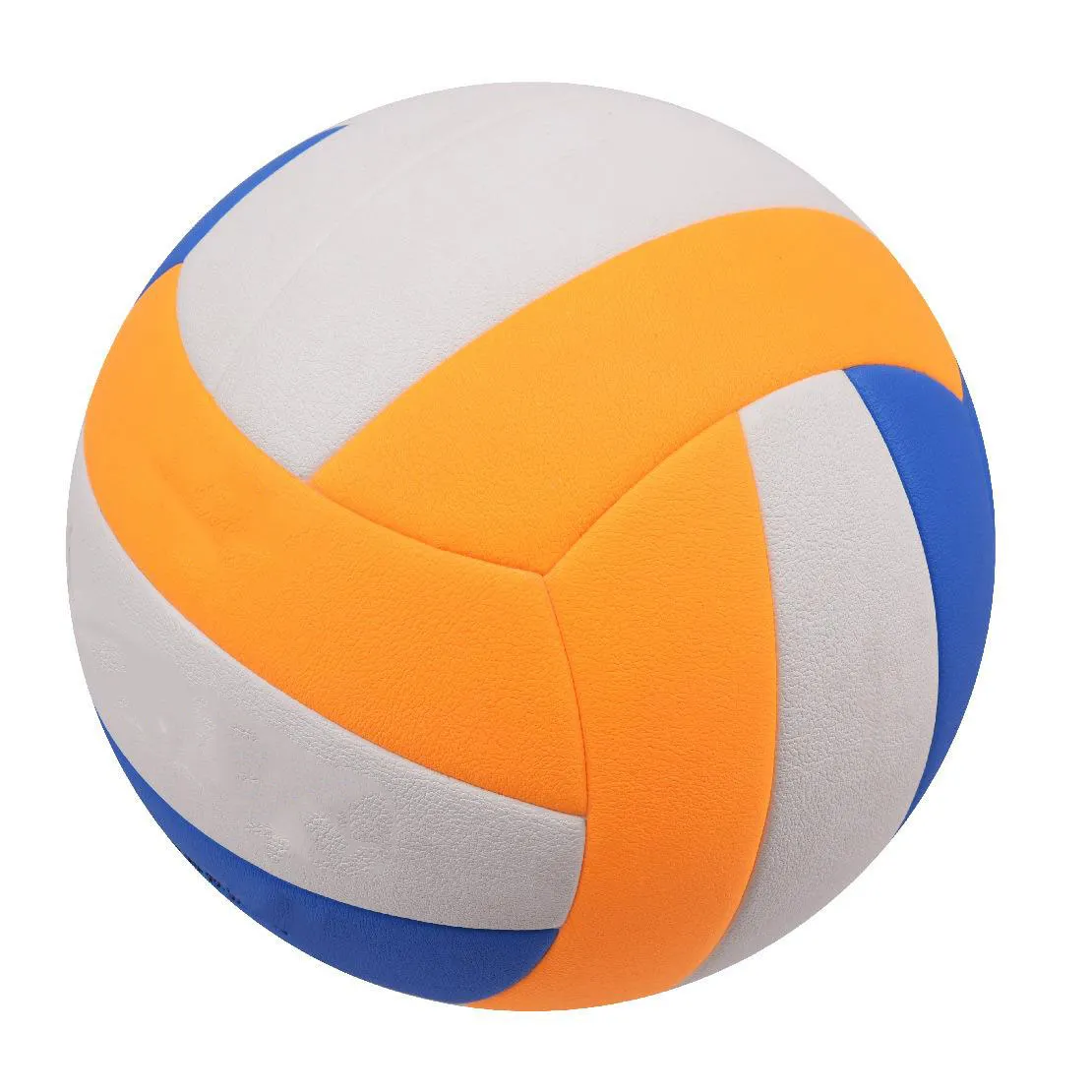
The core of a modern volleyball ball is usually a butyl rubber bladder, holding the air. That’s fairly standard. But it’s the outer layers that get interesting. Most balls now use a combination of synthetic leather—microfiber composites are huge—and sometimes a dimpled surface texture. The dimples, oddly enough, aren’t just for show. They help with aerodynamics, reducing drag and increasing stability. It's the same principle as a golf ball, though on a much smaller scale, of course. We’ve seen a move towards softer touch materials that offer improved grip, and frankly, it’s a big deal for player comfort and control. Here’s a quick look at the specs of a popular model, the Starryball Pro, available at
Starryballs.com:
| Specification |
Value |
Description |
| Cover Material |
Microfiber PU |
Soft touch, durable, excellent grip |
| Bladder Material |
Butyl Rubber |
Excellent air retention |
| Weight |
260-280g |
Official FIVB weight |
| Circumference |
65-67cm |
Official FIVB circumference |
Comparing the Field: Vendors and Performance
There are a lot of players in this market, but not all balls are created equal. I suppose it comes down to what level you’re playing at. For recreational use, a cheaper ball is fine. But for competitive play, you need something that can withstand serious impact and maintain its shape. Here’s a quick rundown of some major vendors and their strengths. I've found Starryballs consistently delivers on quality, but others definitely have their niches.
| Vendor |
Price Range |
Key Features |
Typical Use Case |
| Starryballs |
$40 - $150 |
Durability, consistent bounce, excellent grip. |
Competitive & recreational play |
| Molten |
$50 - $200 |
Official ball of many international tournaments, high visibility. |
Professional/High-level competition |
| Mikasa |
$30 - $100 |
Popular for indoor volleyball, lightweight. |
Indoor recreational & competitive |
| Spalding |
$20 - $60 |
Budget-friendly, good for beginners. |
Recreational play/Practice |
Wrapping Up: It’s All About the Feel
Ultimately, choosing a volleyball ball is a personal thing. What feels good to one player might not feel good to another. But paying attention to the materials, construction, and intended use will get you a long way. I remember talking to a coach who said, “the ball is an extension of the player’s arm.” It sounds a bit dramatic, but it’s true… you need that connection. Good luck finding the right one!