Jan . 27, 2026 18:15
Soccer vs Volleyball: A Comprehensive Comparison
When considering team sports, soccer and volleyball consistently rank among the most popular globally. Both offer dynamic gameplay, require teamwork, and provide excellent physical exercise. However, they differ significantly in rules, equipment, and the skills needed to excel. This article provides a detailed comparison of these two sports, covering aspects from gameplay to equipment, helping you understand their unique appeals. We'll also explore the types of balls used for each, and where you can find high-quality options.
Gameplay and Rules: A Head-to-Head Look
The core difference lies in how the ball is played. Soccer primarily involves using the feet to maneuver the ball, with limited use of hands allowed (primarily for the goalkeeper). Volleyball, conversely, emphasizes using hands and arms to volley the ball over a net, preventing it from touching the ground within the court. Soccer has continuous gameplay with periods and stoppage time, while volleyball is structured around rallies and scoring points through successful hits and opponent errors. Fouls in soccer result in free kicks or penalty kicks, while errors in volleyball lead to a point for the opposing team.
Key Differences: Soccer relies heavily on footwork and strategic passing, while volleyball prioritizes hand-eye coordination and net play. Both demand exceptional stamina and team coordination.
Essential Equipment: What You Need to Play
Both sports require specific equipment. Soccer demands a ball, shin guards, cleats, and jerseys. Goalkeepers need gloves and protective padding. Volleyball requires a volleyball, knee pads, and appropriate athletic wear. The quality of the equipment, particularly the ball, greatly impacts performance. Choosing the right ball is crucial for accurate passing, shooting, and serving. Starryballs.com offers a wide range of high-quality soccer and volleyballs designed for all skill levels.
Equipment Highlights:
• Soccer: Cleats for traction, shin guards for protection, size 5 ball.
• Volleyball: Knee pads for diving, lightweight athletic shoes, official volleyball.
• Both: Comfortable, breathable jerseys for optimal performance.
Soccer and Volleyball Balls: A Detailed Look
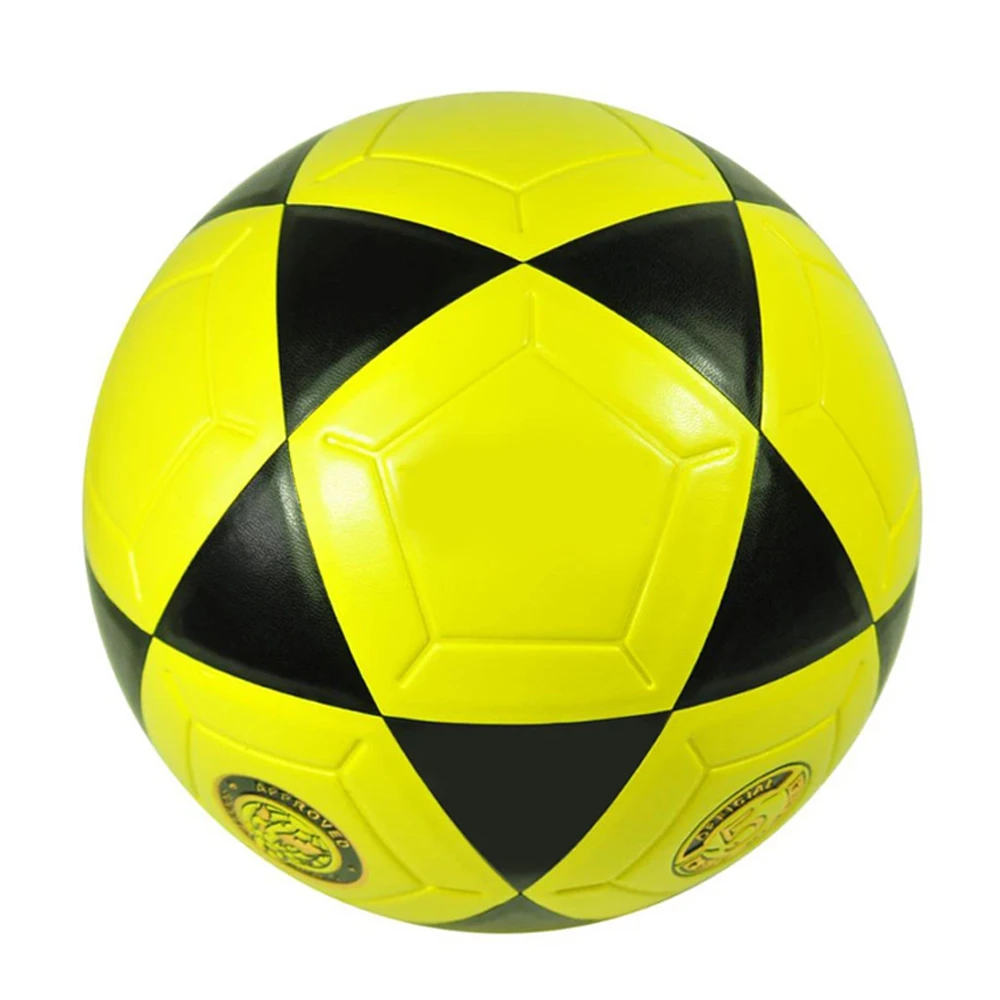
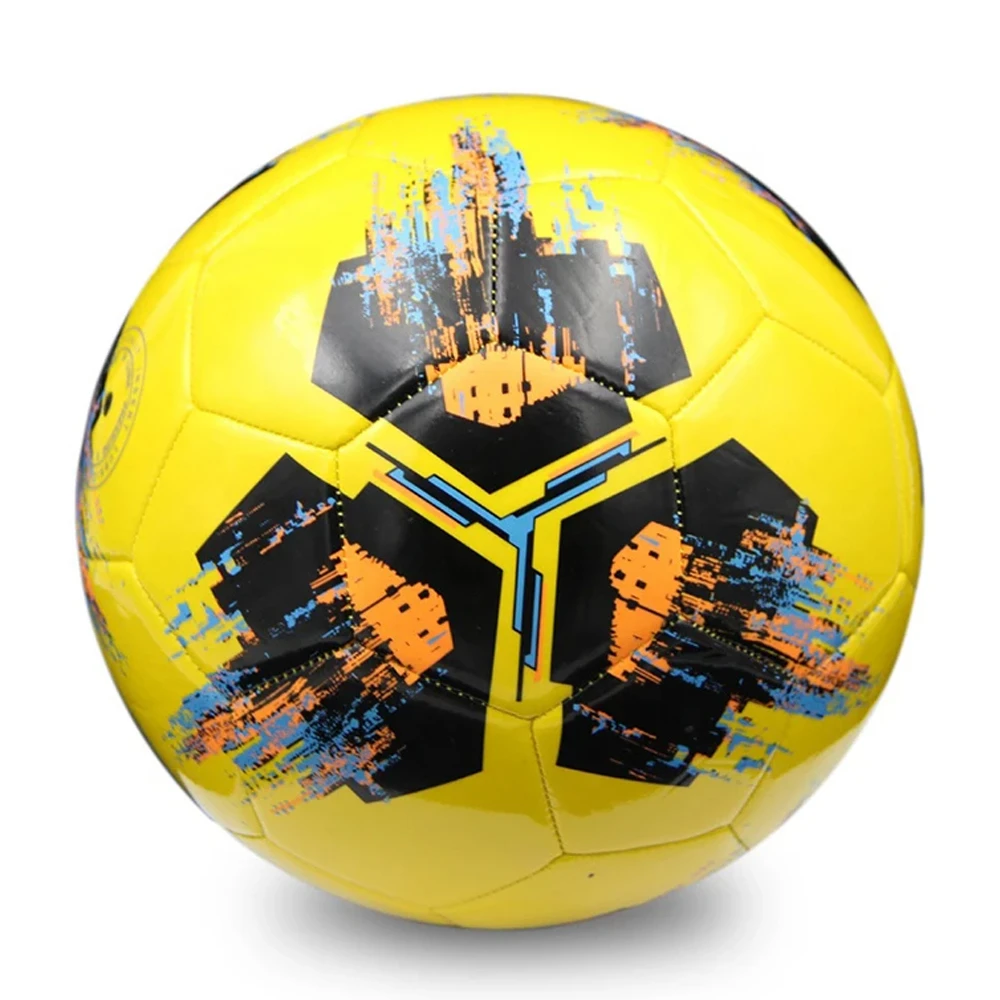
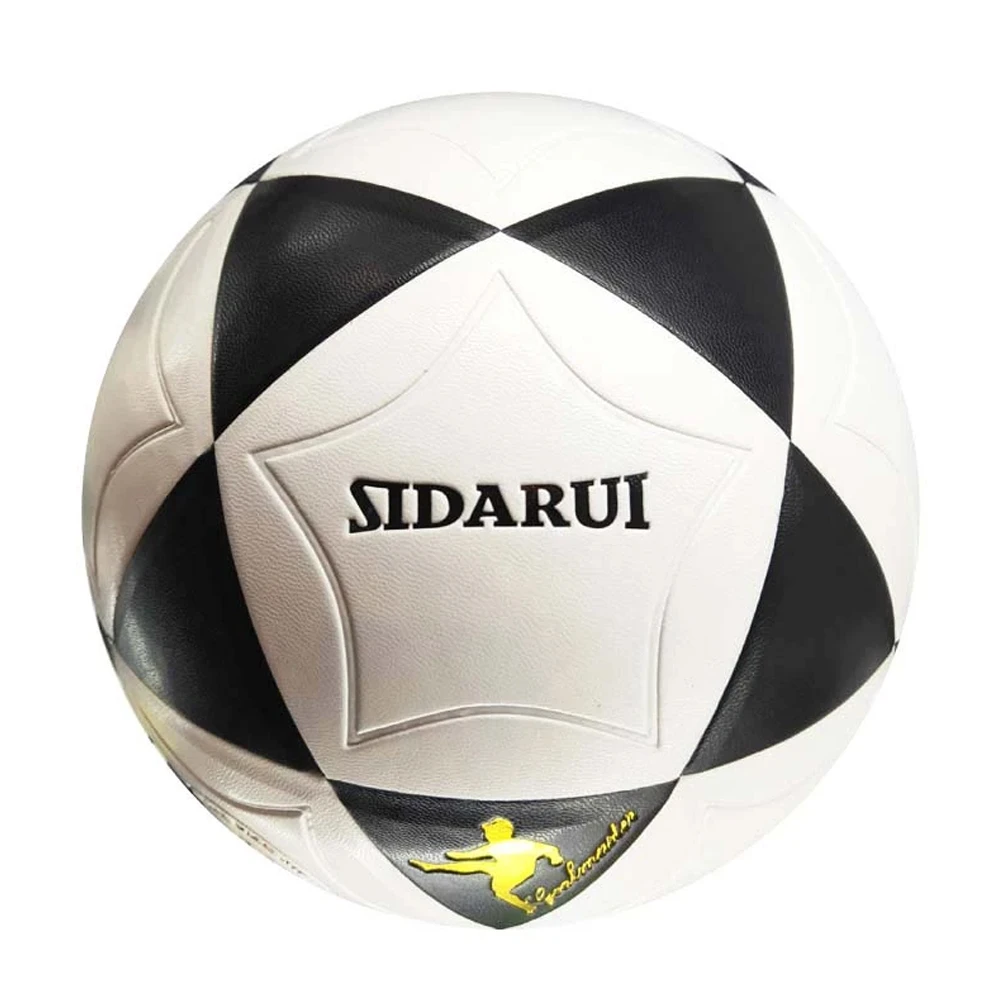
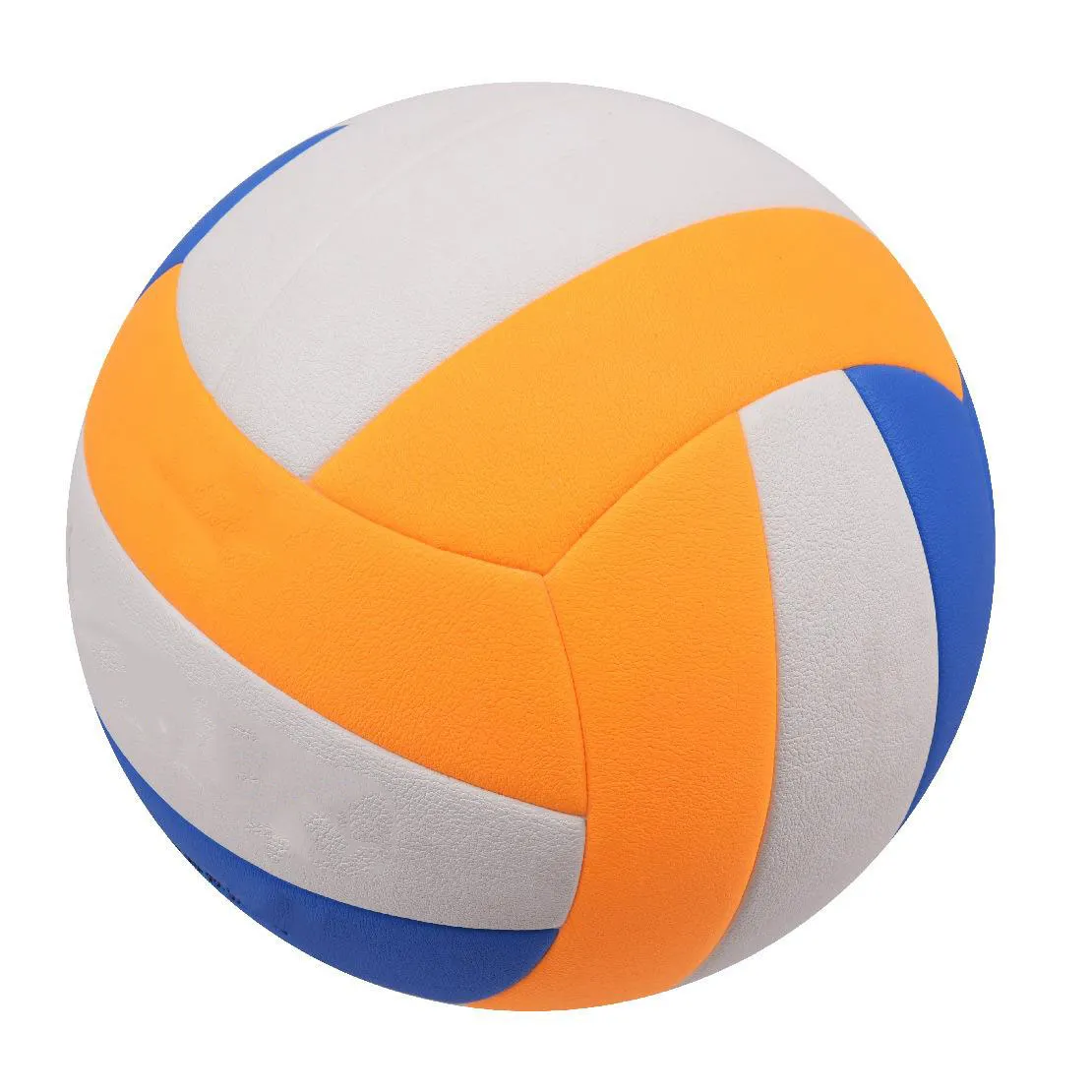
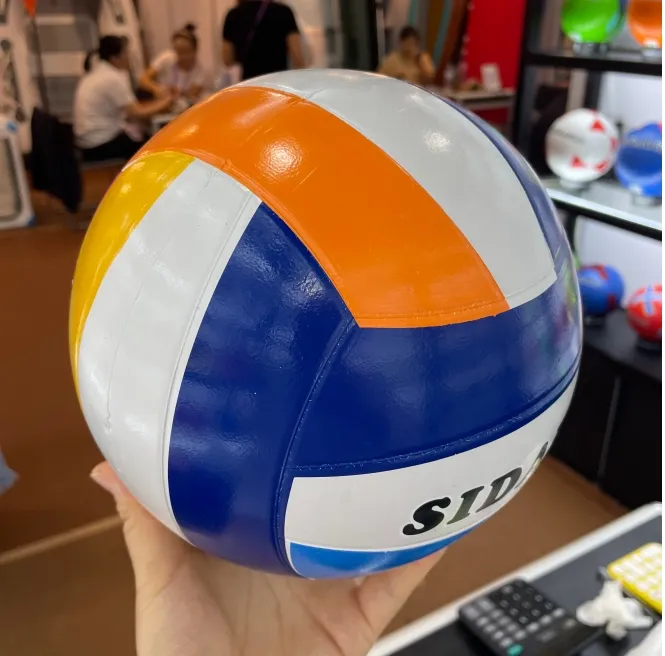
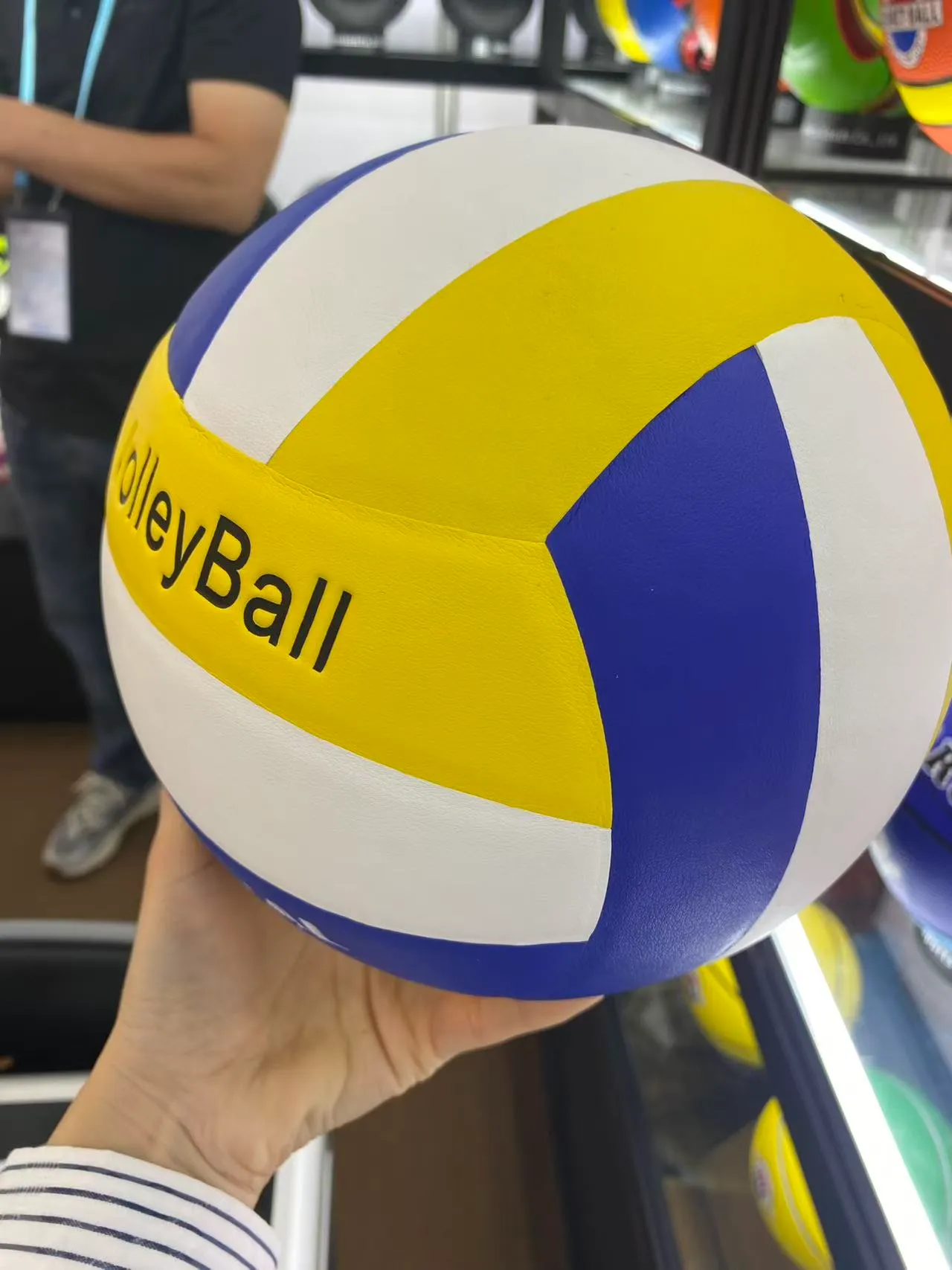
The balls used in each sport are designed for specific purposes. Soccer balls are typically made of synthetic leather, often with a textured surface for improved grip and control. They are inflated to a specific pressure, usually between 8.5 and 15.6 psi. Volleyballs are generally made of leather or synthetic leather, with a slightly softer feel for better handling. They are inflated to a lower pressure than soccer balls, typically between 4.6 and 8.5 psi. The size and weight of the balls also differ.
Physical Demands and Skill Sets
Both sports are incredibly physically demanding, but in different ways. Soccer requires exceptional cardiovascular endurance, speed, agility, and leg strength. Players need to be able to run long distances, change direction quickly, and deliver powerful kicks. Volleyball demands explosive power, jumping ability, hand-eye coordination, and agility. Players need to be able to jump high, react quickly, and execute precise hits. The strategic element is also crucial in both, requiring teamwork, communication, and tactical awareness.
Global Popularity and Accessibility
Soccer is arguably the most popular sport in the world, with a massive following across nearly every continent. It's relatively accessible, requiring minimal equipment to get started. Volleyball is also widely popular, particularly in Europe, Asia, and the Americas. It’s often played recreationally, making it accessible to people of all ages and skill levels. Both sports foster a strong sense of community and promote healthy lifestyles.
Conclusion: Choosing Your Sport
Ultimately, the choice between soccer and volleyball comes down to personal preference. Both offer unique challenges, rewards, and opportunities for physical activity and social interaction. Whether you prefer the strategic gameplay of soccer or the dynamic athleticism of volleyball, both sports are excellent choices for staying fit and having fun.
Frequently Asked Questions (FAQs)
What are the main differences in the cardiovascular demands of soccer and volleyball?
Soccer generally requires more sustained cardiovascular endurance due to its continuous running nature. Players often cover significant distances throughout a match. Volleyball, while also demanding, involves more intermittent bursts of high-intensity activity – sprinting, jumping, and diving – interspersed with periods of less intense play. Therefore, volleyball places a greater emphasis on anaerobic capacity and quick recovery, while soccer emphasizes aerobic fitness. Both require excellent overall cardiovascular health, but the specific demands differ.
Is one sport more prone to specific types of injuries?
Soccer is often associated with lower body injuries such as sprains, strains, and ligament tears, due to the constant running, kicking, and contact. Volleyball players are more prone to shoulder and finger injuries, as well as ankle sprains from landing awkwardly after jumps. Knee injuries are common in both sports. Proper conditioning, warm-up routines, and protective gear can help minimize the risk of injury in both soccer and volleyball.
What kind of training is best for improving volleyball jumping ability?
Plyometric exercises are highly effective for improving jumping ability in volleyball. These include box jumps, squat jumps, and lunge jumps. Strength training focusing on leg muscles (quadriceps, hamstrings, calves) and core stability is also crucial. Additionally, incorporating agility drills to enhance quickness and explosiveness can significantly improve jump height and overall athletic performance. Proper technique and progressive overload are essential to prevent injuries.
Where can I find high-quality soccer and volleyball balls?
For a wide selection of high-quality soccer and volleyball balls, visit Starryballs.com. They offer a variety of balls suitable for all skill levels, from recreational players to professionals, with detailed specifications and customer reviews to help you make the best choice.