Dec . 01, 2025 19:30
Why Size 4 Training Balls Matter in Sports and Beyond
Whether you’re a coach, athlete, or trainer, the term size 4 training balls probably rings a bell. But what exactly makes these specific balls so widely used across many sports disciplines worldwide? And why does understanding their features and benefits actually matter beyond just “practice” sessions?
Put simply, these balls hit a sweet spot between size, weight, and usability—ideal for youth development, skill enhancement, and even rehabilitation. Globally, organizations focused on sports development appreciate their role in fostering better motor skills and safer, more accessible training environments for younger age groups.
In short, size 4 training balls encapsulate a subtle balance of form and function that benefits players, coaches, and even health professionals alike. Thinking about why? Here’s a quick dive.
The Global Context: Why Size 4 Training Balls Are Essential
Across continents, from community sports programs in Scandinavia to youth academies in South America, these balls serve as a foundational training tool. According to the FIFA guidelines, size 4 balls are commonly designated for players aged 8-12, striking a balance conducive to skill-building without overwhelming young hands.
Yet, it’s not just about kids kicking a ball around. Globally, youth sports help combat obesity, encourage teamwork, and create social bonds. For instance, a WHO report highlights that over 80% of adolescents don’t meet recommended physical activity levels, making accessible training equipment crucial.
Still, many smaller clubs and schools struggle to find quality training balls that are both affordable and durable. That’s where size 4 training balls come in—they address these challenges by providing an economical option with consistent quality.
Mini Takeaway
The global need for accessible, effective sports tools makes size 4 training balls more than just “practice gear”—they’re a small but vital gear piece supporting youth development and public health.
What Exactly Are Size 4 Training Balls?
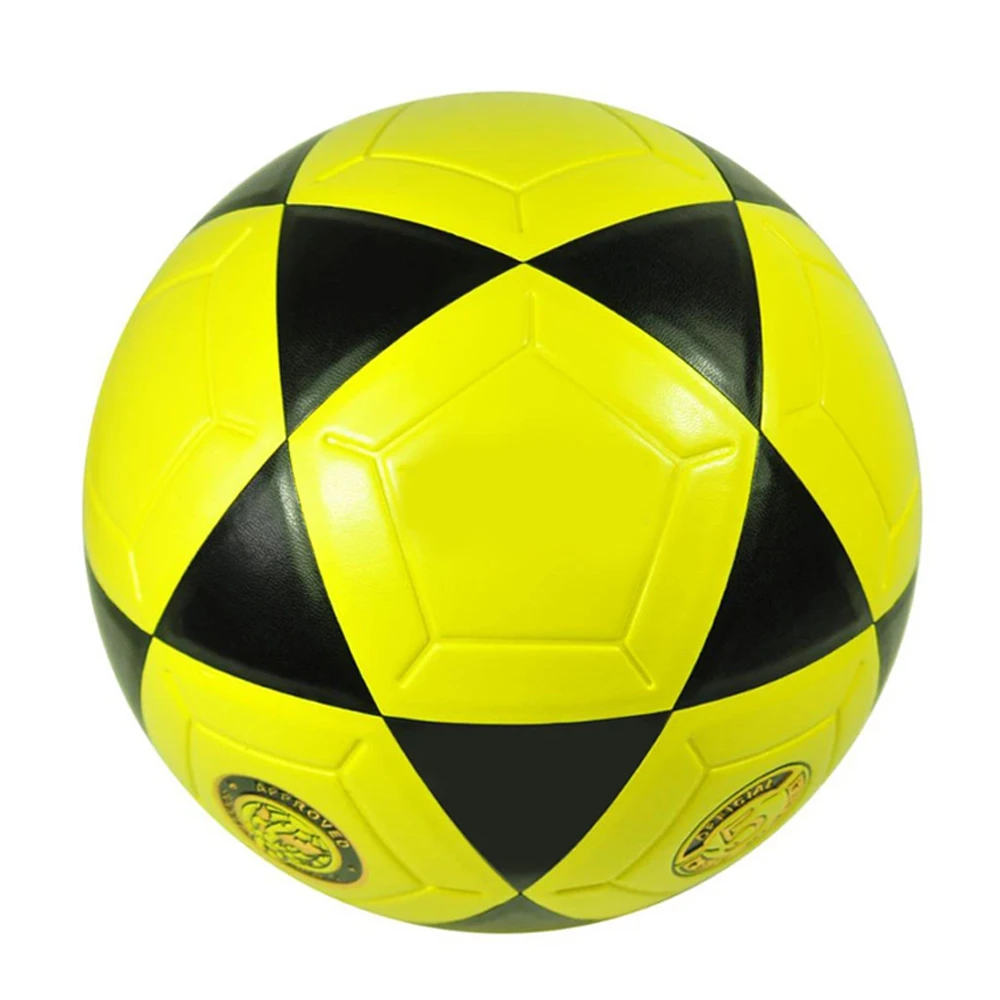
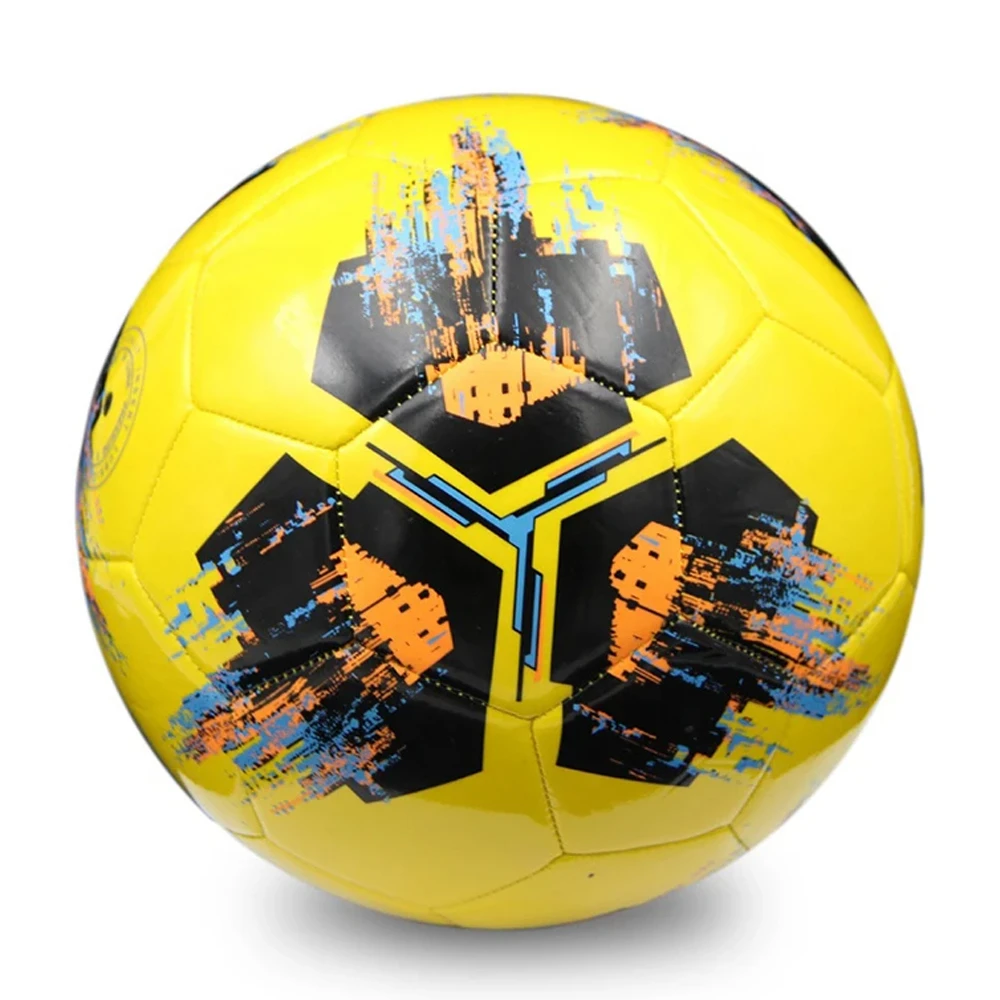
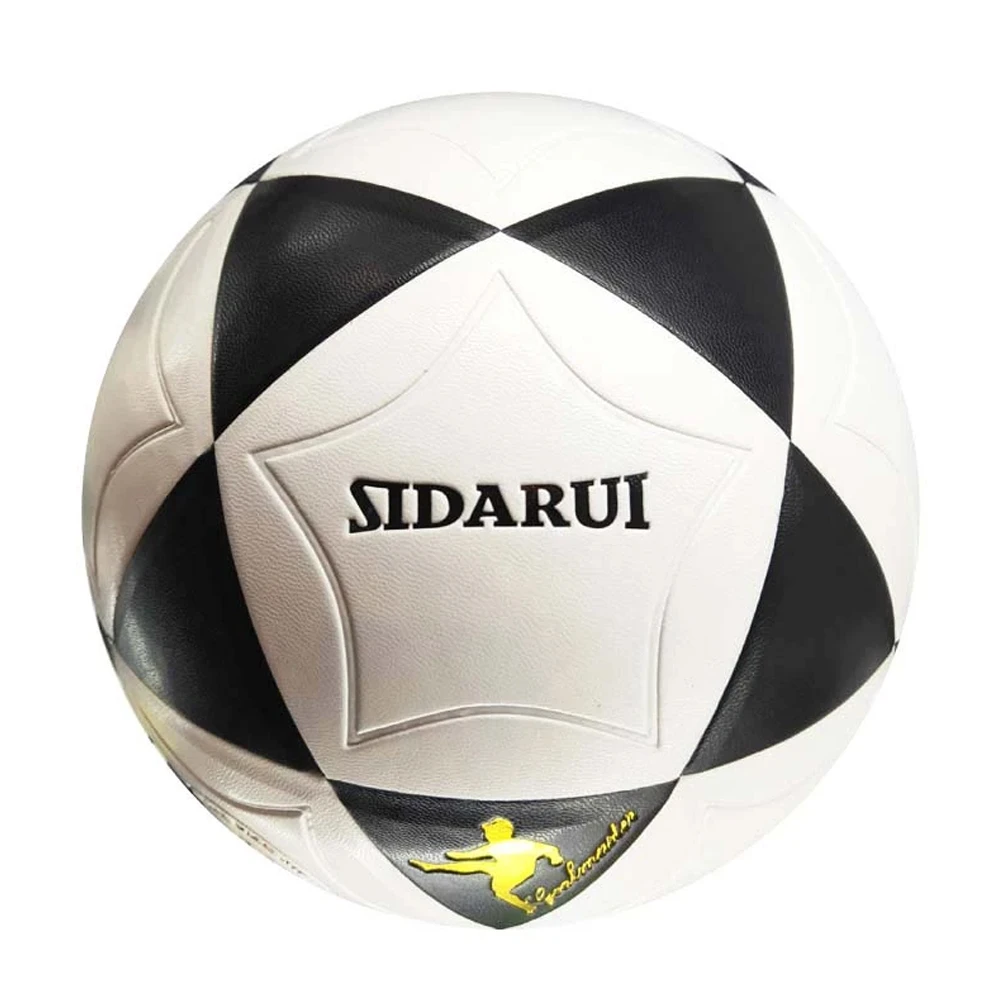
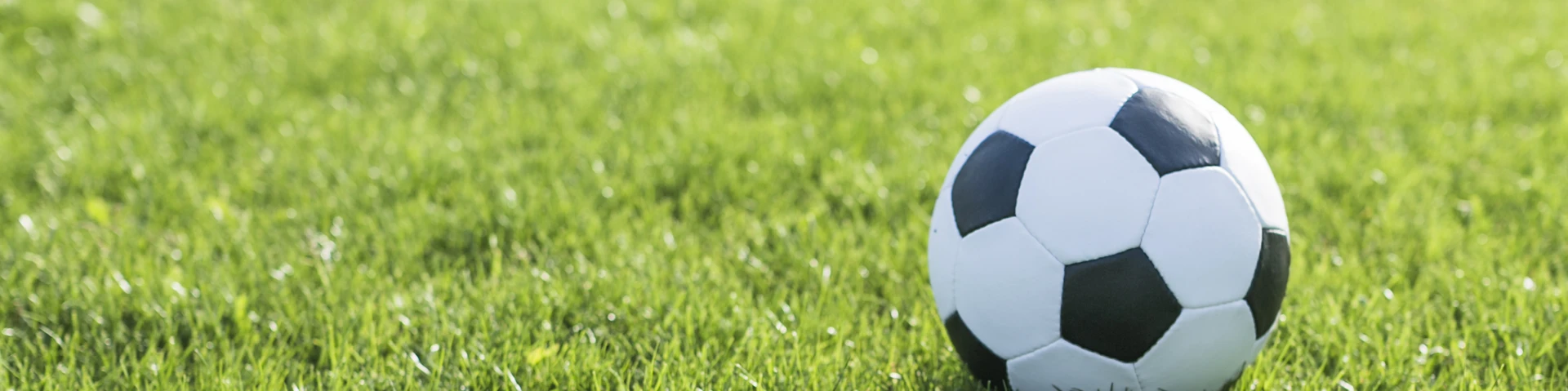
In plain terms, a size 4 training ball is a soccer or football ball slightly smaller than the full-size adult ball (size 5). Measuring roughly 25-26 inches in circumference and weighing around 350-390 grams, it’s designed primarily for young players or training purposes.
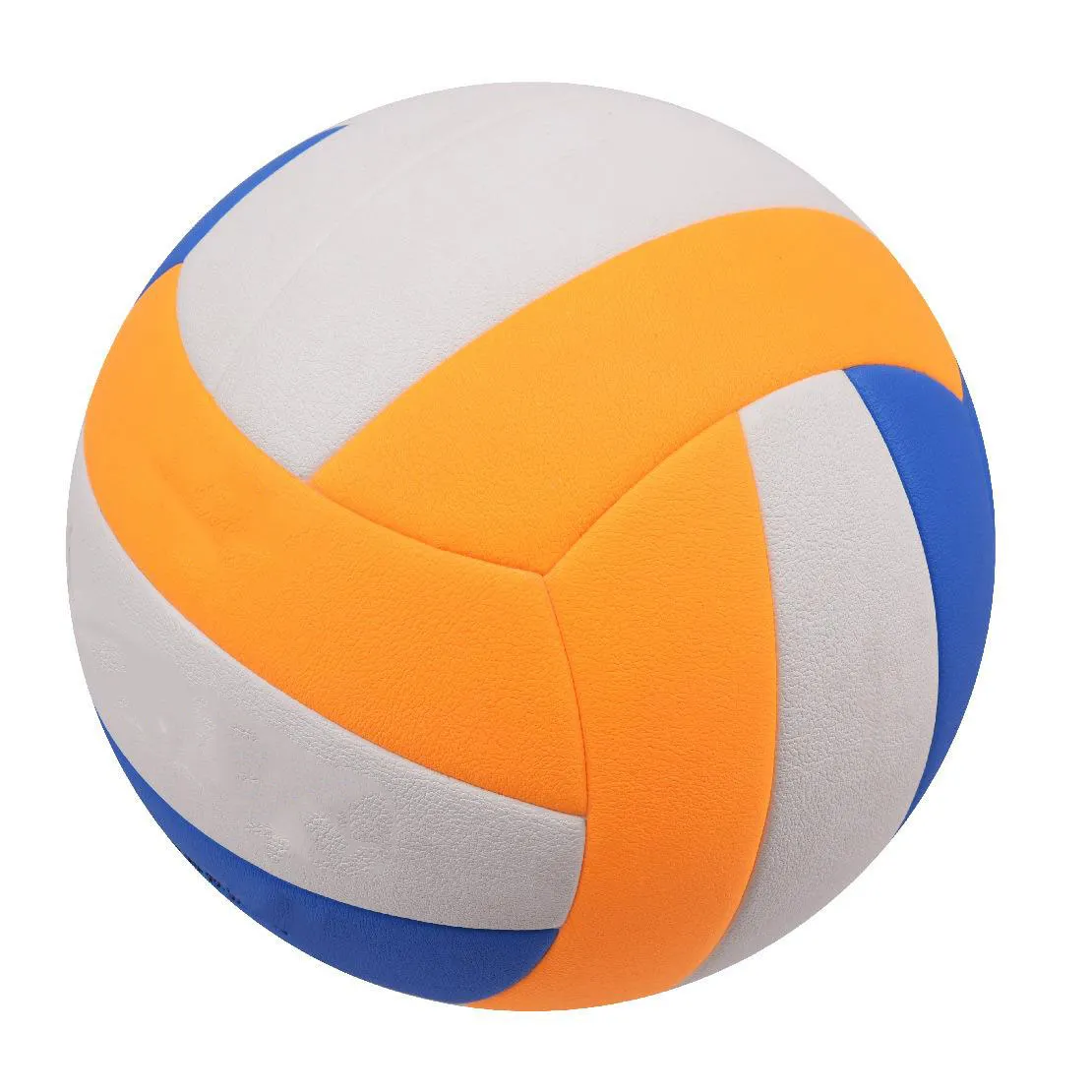
Though primarily used in soccer, various training balls come in size 4 to accommodate different sports—basketball, netball, and even handball use size-adjusted balls too.
Why is the size so specific? Because for youth athletes, a ball that’s too large or heavy can hamper technique development, lead to injuries, or simply take the fun out of the game. Size 4 balls are crafted to bridge that gap, fitting smaller hands and easing the learning curve.
Mini Takeaway
Size 4 training balls are thoughtfully designed sports gear that promotes safe skill building for younger or novice players, creating a smoother transition to adult-level play.
Four Key Features of Size 4 Training Balls
1. Durability
Good training balls are expected to withstand repeated kicks, scrapes, and weather exposure without deforming or losing air. Many size 4 balls feature synthetic leather or reinforced polyurethane exteriors, materials tested by ISO standards for abrasion resistance and shape retention.
2. Weight and Air Retention
The ball’s mass affects control and fatigue. Size 4 balls generally weigh less than standard adult balls, making them easier to handle. Yet, good quality balls maintain their air pressure longer using butyl or latex bladders, reducing maintenance time during long training sessions.
3. Grip and Surface Texture
An often-overlooked factor, the texture plays a huge role in ball control. Trainers look for balls with fine pebbling or subtle dimples to improve handling in wet or dry conditions alike.
4. Affordability and Scalability
Especially for clubs in developing regions, finding price-friendly yet reliable equipment is critical. Many manufacturers offer size 4 training balls in bulk, balancing cost with quality to serve wide programs efficiently.
Mini Takeaway
Durability, weight, grip, and cost-efficiency make size 4 training balls versatile and practical, equipping players without breaking budgets or sacrificing performance.
Real-World Uses and Global Footprint
From grassroots football leagues in Nigeria to youth training camps in Germany, size 4 training balls appear everywhere. Notably:
- Youth academies leverage these balls to build foundational skills safely.
- Schools in remote areas benefit from their durability despite rough field conditions.
- Rehabilitation programs often use them for physical therapy due to their manageable size.
- Charity sports initiatives value their scalability, distributing thousands annually.
One example: a community program in Brazil credited size 4 footballs for boosting youth participation by 40% simply by providing age-appropriate balls, which naturally sparked more engagement and enthusiasm.
Mini Takeaway
Size 4 training balls aren’t confined to fancy stadiums—they form a backbone of accessible, inclusive sports development worldwide.
Advantages & Long-Term Value of Size 4 Training Balls
There’s a logical side to why these balls are favored, but it’s the emotional and social dividends that often surprise people. Consider:
- Cost Efficiency: Less breakage means fewer replacements.
- Safety: Reduced injury risk supports trust from parents and coaches alike.
- Sustainability: Many brands now produce eco-friendly versions—less plastic waste, better materials.
- Inspiration: Giving kids equipment that “fits” helps grow confidence and love for the game.
So yes, it’s about more than just a ball. It’s a seed for community, wellness, and future talent.
Technical Specification Table
| Specification | Details |
|---|---|
| Circumference | 25–26 inches (63.5–66 cm) |
| Weight | 350–390 grams (12.3–13.8 ounces) |
| Material | Synthetic leather w/ polyurethane bladder |
| Recommended Age | 8–12 years |
| Surface Texture | Pebbled or dimpled for grip |
Comparing Popular Size 4 Training Ball Vendors
| Vendor | Price (USD) | Material Quality | Durability Rating | Eco-Friendly Options |
|---|---|---|---|---|
| StarryBalls Co. | $18 per ball | Premium PU composite | 9/10 | Yes |
| ProSport Gear | $15 per ball | Standard PU leather | 7/10 | No |
| GreenKick Sports | $22 per ball | Recycled materials | 8/10 | Yes |
Looking Ahead: Trends & Innovations in Size 4 Training Balls
It’s an exciting time. Advances in material science mean we’re seeing training balls that are more durable, lighter, and greener than ever. Some manufacturers are experimenting with biodegradable covers or integrating smart sensors that can track kick force and spin—giving coaches and players fresh data to improve performance.
Digital transformation might sound far-off in simple sports gear, but even traditional equipment is embracing automation tooling. Imagine a training ball customized to the user’s exact skill level, adjusting bounce or grip accordingly...
Challenges and How the Industry Is Tackling Them
Of course, not everything is perfect. Cost remains an issue for many underfunded programs, and lower-end balls often sacrifice quality or durability. There’s also the environmental concern of synthetic materials piling up in landfills.
Solutions have surfaced, like community-driven rental schemes and refurbishing balls for reuse. On the tech side, innovations in recycled polymers help reduce ecological footprints without hiking prices too much.
FAQs About Size 4 Training Balls
- What is the main difference between a size 4 and size 5 ball?
- Size 4 balls are smaller and lighter, designed mainly for players aged 8–12. Size 5 balls are standard for adult play. The difference aids skill development and safety in younger athletes.
- How long does a size 4 training ball typically last?
- With proper care, a quality size 4 ball can last several seasons. Factors like usage frequency, surface type, and storage conditions affect lifespan, but durable models often withstand months to years of regular use.
- Are eco-friendly size 4 training balls as good as traditional ones?
- Many eco-friendly balls now match or exceed performance standards. Innovations in recycled materials and biodegradable covers mean you can choose greener options without sacrificing quality.
- Can size 4 training balls be used outdoors in rough conditions?
- Generally, yes. But repeated exposure to rough surfaces may reduce lifespan. Opting for balls with reinforced outer layers helps, and periodic air checks maintain performance.
Final Thoughts & Next Steps
Size 4 training balls might seem simple, but their impact is anything but. They’re a critical tool shaping young talent, empowering coaches worldwide, and even contributing to community health. With growing eco-awareness and tech breakthroughs, their evolution will continue to excite.
If you’re interested in high-quality size 4 training balls, check out size 4 training balls at StarryBalls Co.—a vendor that balances performance, affordability, and sustainability nicely.