Nov . 17, 2025 18:00
Understanding PU Leather Football: Why It Matters More Than You Think
If you've ever kicked a football around in the park, you might not have paused long to consider what it’s made of. Yet, the material choice—specifically PU leather footballs—has quietly become a global game changer in the sports equipment world. It’s not just about appearance or feel; this hybrid material blends synthetic and natural qualities, offering durability, affordability, and sustainability all at once.
Globally, football (or soccer, depending on where you are) is the world's most accessible and popular sport. With billions of players of varying ages and skill levels worldwide, the demand for affordable, reliable, and eco-friendlier footballs is steadily increasing. That’s where PU leather steps in. Beyond just being a “nice to have,” understanding PU leather football technology helps manufacturers, retailers, and players make smarter choices, supporting both performance and the planet.
Global Context: The Rise of PU Leather in Football Manufacturing
According to the International Organization for Standardization (ISO), the global sports goods market is expected to hit nearly $95 billion by 2026, with footballs representing a significant chunk. That's roughly 3 billion football players globally by some estimates—many in regions where weather extremes can quickly degrade traditional leather balls.
The conventional leather ball, though iconic, comes with challenges: higher cost, maintenance needs, and environmental concerns tied to animal agriculture. PU leather footballs address these by offering weather resistance and lower production emissions. The transition aligns with global moves toward sustainable manufacturing practices championed by the United Nations Sustainable Development Goals (SDGs).
Still, the market grapples with issues like product consistency and consumer perceptions. Some players feel PU leather footballs don’t have the “same soul” as classic balls. But increasingly, technology is narrowing that gap.
Mini takeaway:
Understanding PU leather football means appreciating a material evolution that supports durability, cost efficiency, and sustainability — crucial for a sport played worldwide and growing fast in developing markets.
What Exactly Is a PU Leather Football?
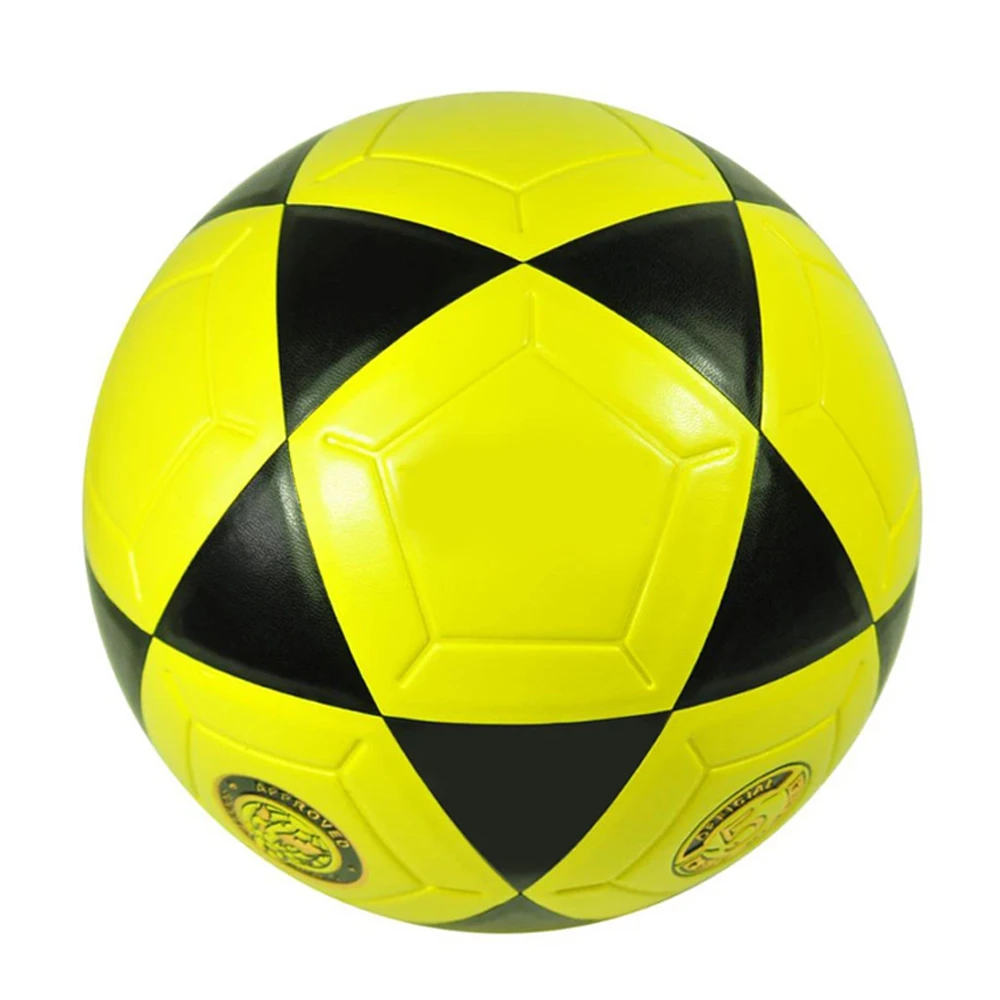
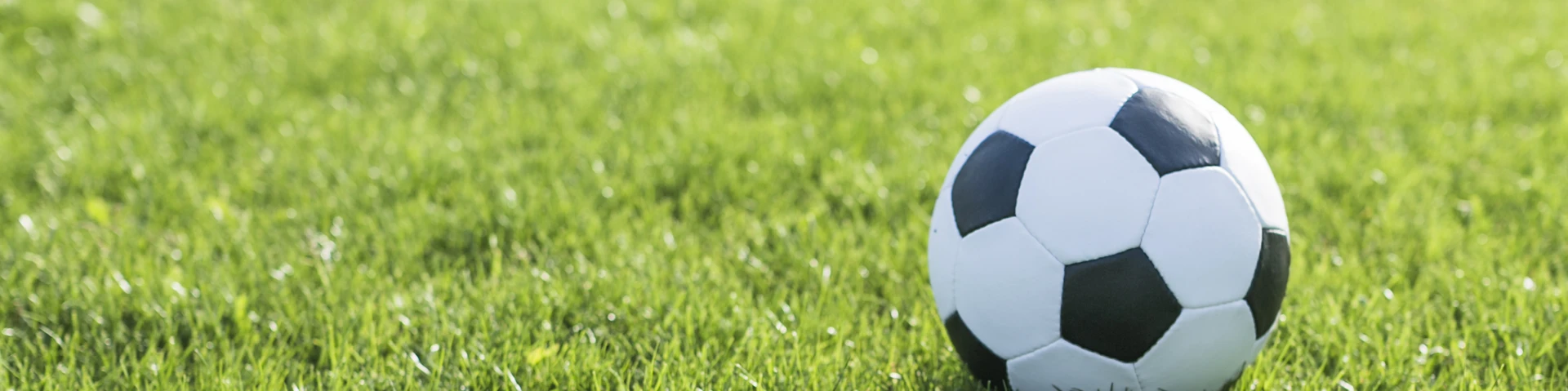
Simply put: a PU leather football is a sports ball whose outer cover is made from polyurethane (PU), a synthetic material designed to mimic the softness and grain of real leather but without animal products. It’s a type of engineered “artificial leather,” combining a polyurethane coating with a fabric backing, usually polyester.
Manufacturers stitch or thermally bond panels made from this material onto a bladder (often butyl or latex) that holds air. The result is a ball that feels soft yet strong, flexible but tough, and looks premium without the environmental trade-offs.
PU leather footballs suit the modern industry’s push towards:
- Eco-friendly alternatives (reducing livestock footprint)
- Mass production scalability
- Consistent quality under diverse weather and playing conditions
They bridge sports technology with humanitarian needs too — offering durable footballs for youth sports programs in remote or resource-limited areas.
Mini takeaway:
The essence of PU leather footballs: synthetic innovation meets practical use, enabling quality, affordable, and ethical sports gear worldwide.
Core Factors Defining PU Leather Football Quality and Performance
1. Durability
PU leather footballs can withstand harsher weather conditions—rain, mud, even rough ground—without cracking or absorbing water. Many engineers say the material’s tight grain reduces wear over repeated kicks and scuffs.
2. Water Resistance
The polyurethane coating repels water, unlike traditional leather which gets soggy and heavy during play. This feature is vital for outdoor matches, especially in humid or tropical climates.
3. Cost Efficiency
PU leather footballs are typically cheaper to produce than full-grain leather, largely because PU is synthetic and doesn’t require tanning processes. This keeps costs down, which is great for schools and community programs on tight budgets.
4. Consistent Performance
Unlike leather, which can stiffen or deform with moisture, PU leather footballs maintain shape and bounce consistency. For serious players and leagues, this predictability is invaluable.
5. Design Flexibility
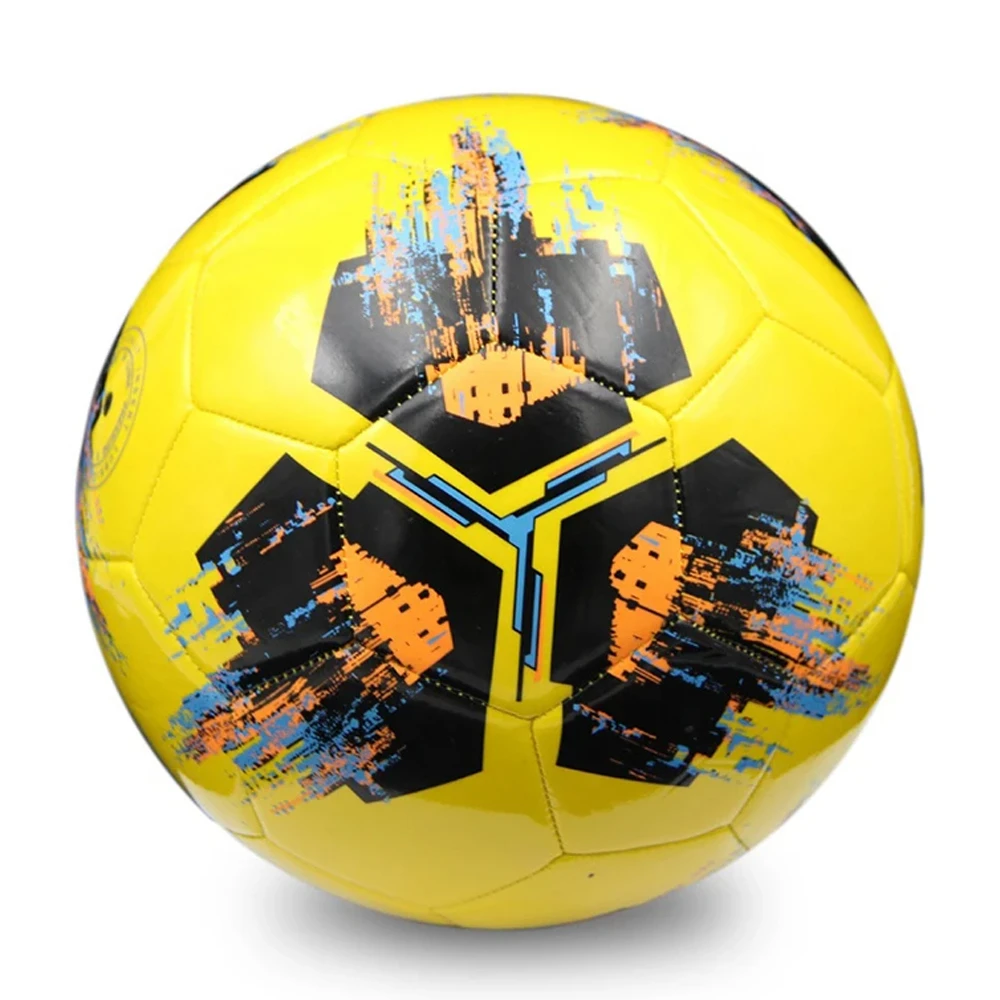
PU material allows for vivid colors and sharp graphics, unlike traditional leather’s natural tonal limits. This helps teams, brands, and organizations customize balls for marketing or cultural significance.
Mini takeaway:
The combo of durability, water resistance, and economical production makes PU leather footballs a solid choice for many use cases—especially beyond elite professional play.
| Feature | Detail |
|---|---|
| Material | PU coated polyester fabric (synthetic leather) |
| Panel Construction | 32 panels, machine-stitched or thermally bonded |
| Bladder Type | Butyl or latex bladder for air retention |
| Weight | 420 – 450 grams (regulation size 5 football) |
| Circumference | 68 – 70 cm (size 5 standard) |
| Water Absorption |
Real-World Uses of PU Leather Footballs
In many ways, PU leather footballs have become the backbone for grassroots and semi-professional soccer worldwide. Here’s how and where you’ll often find them:
- Community Sports Programs: NGOs working in Africa, South Asia, and Latin America prefer PU leather balls because they survive rugged conditions and are affordable.
- School Athletics: In regions with wet climates, these balls maintain quality throughout school terms without constantly needing replacements.
- Industrial Zones & Camps: Worker welfare programs in remote industrial sites offer PU leather footballs as durable recreation gear.
- Local Leagues: Semi-professional teams in Europe and Asia, balancing performance and budget, often standardize on PU balls.
- Disaster Relief Efforts: Humanitarian organizations distribute them in refugee camps, where access to maintenance or replacements is limited.
Oddly enough, while the pro game still favors hand-stitched leather for its tradition and feel, many youth and community players wouldn’t trade their PU leather balls for anything — at least not in terms of reliability.
Mini takeaway:
The versatility and resilience of PU leather footballs make them essential gear for numerous regions and organizations looking for durable, cost-effective options.
| Vendor | Price Range (USD) | Material Quality | Customization Options | Global Reach |
|---|---|---|---|---|
| StarryBalls Sports | $15 - $30 | Premium PU blends, tested for water resistance | Full color branding, sizes, and performance specs | Strong, serves Asia, Europe, Africa |
| GloboSport | $10 - $25 | Standard PU with durable stitching | Logo embossing, limited colors | Regional focus: Americas, Europe |
| EcoPlay Gear | $20 - $35 | Recycled PU blends, eco-certified | Custom eco-labels, packaging | Europe, emerging in Asia |
Long-Term Advantages of Choosing PU Leather Footballs
- Affordability: The lower price point means clubs and programs can provide more balls, broadening access.
- Longevity: Less frequent replacements reduce waste and overall costs.
- Sustainability: Synthetic PU reduces dependence on animal hides, aligning with growing ethical concerns.
- Consistent Feel & Play: Gives players confidence knowing their ball performs predictably.
- Social Impact: Donating PU leather footballs in underserved areas fosters community and wellbeing.
There’s an emotional layer, too: players cherish their first “real” ball, the one that felt right during that first kick—many report falling for PU leather balls because they brought quality sport play to their front yard or schoolyard for the first time.
Mini takeaway:
PU leather footballs offer a balanced blend of cost-consciousness, sustainability, and user satisfaction — advantages that compound over time for communities and businesses alike.
What’s Next for PU Leather Footballs?
Exciting trends are shaping the future, as suppliers experiment with:
- Bio-Based PU Coatings: Reducing fossil fuel inputs by developing biopolymers derived from plant oils.
- Enhanced Nano-Coatings: To improve abrasion resistance and water repellency even further.
- Smart Footballs: Integrating sensors beneath the PU surface for data on kick speed, trajectory, or impact.
- Digital Customization: On-demand designs via in-line printing and rapid prototyping, shrinking waste.
- Circular Economy Initiatives: Recycling worn-out PU footballs into other goods or new sports equipment.
Industry watchers believe these will make PU leather footballs not just better for play, but better for the planet — a growing priority in sports manufacturing.
Challenges Facing PU Leather Footballs and How To Solve Them
Like any material, PU leather comes with caveats:
- Perceived Authenticity: Some traditionalists prefer the natural feel of genuine leather, especially for professional matches.
- Environmental Cost of PU Production: Though better than animal leather's footprint, PU still relies on petrochemicals.
- Wear Over Time: Not all PU blends resist scuffs equally; cheaper balls notably degrade quicker.
Experts suggest solutions like:
- Developing higher-grade bio-PU composites.
- Educating consumers on the benefits and evolution of synthetic materials.
- Setting stricter manufacturing standards — e.g., ISO-compliant water absorption and abrasion resistance tests — to weed out subpar products.
FAQ: Common Questions About PU Leather Footballs
Q1: How durable are PU leather footballs compared to traditional leather ones?
A1: PU leather footballs typically last longer in wet and rough environments because PU repels water and resists cracking. While genuine leather may offer a classic feel, it absorbs water and can degrade faster under rough use.
Q2: Are PU leather footballs eco-friendly?
A2: They are more sustainable than animal leather because they don’t require livestock farming, which heavily impacts greenhouse gas emissions. However, PU production uses synthetic polymers, so bio-based alternatives are emerging for better eco profiles.
Q3: Can PU leather footballs be used for professional matches?
A3: While many professional leagues prefer leather or microfibre balls that meet specific certifications, PU leather balls are common for training, amateur, and youth play. Some premium PU blends do approach professional-grade performance.
Q4: How do I clean and maintain a PU leather football?
A4: Wipe the ball with a damp cloth after use and avoid prolonged exposure to extreme heat or sun. PU leather is water-resistant but not immune to damage if left wet or dirty for extended periods.
Q5: Where can I buy customizable PU leather footballs?
A5: Many vendors offer customization services—branding, colors, sizes—such as pu leather football suppliers with global shipping options.
Wrapping Up: Why PU Leather Footballs Are Here to Stay
PU leather footballs are more than just a compromise between performance and price. They symbolize a thoughtful step forward toward sustainability, durability, and global accessibility for football lovers of all stripes. Whether for a youth league in Nairobi, a school team in Brazil, or factory workers in Asia seeking some off-hours fun, these balls bring quality play within reach — often against challenging odds.
If you’re curious or ready to equip your team with some of these versatile footballs, don’t hesitate to visit our website. There’s a whole range of quality PU leather footballs waiting to be kicked into your next game.