Dec . 07, 2025 18:41
Futsal Size 5: The Standard Ball for Serious Indoor Play
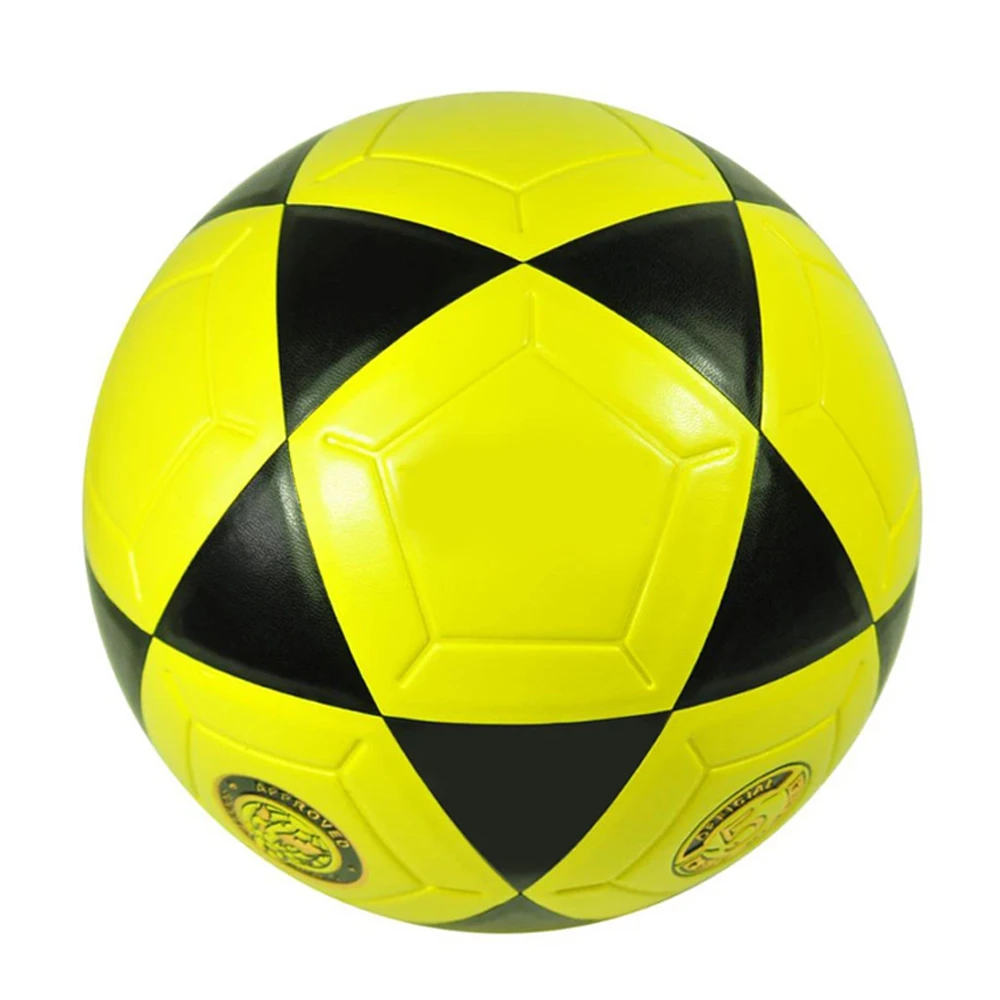
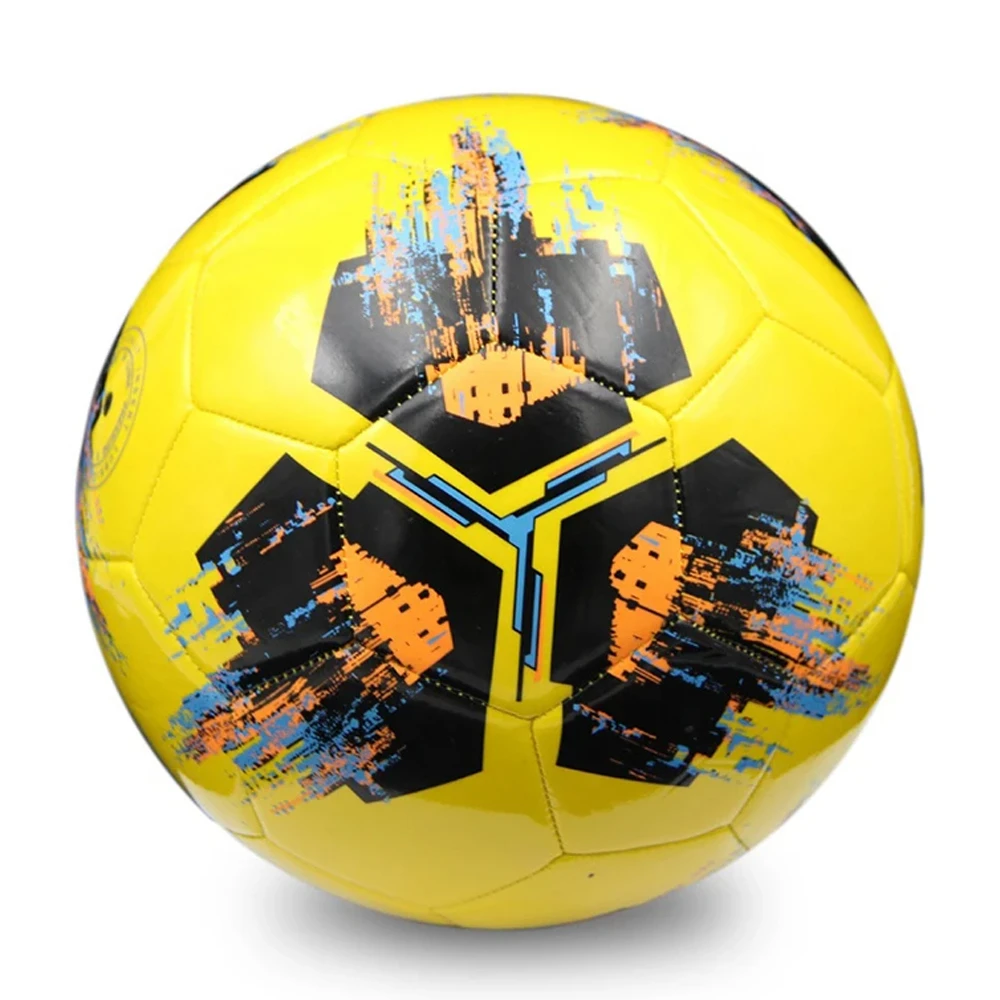
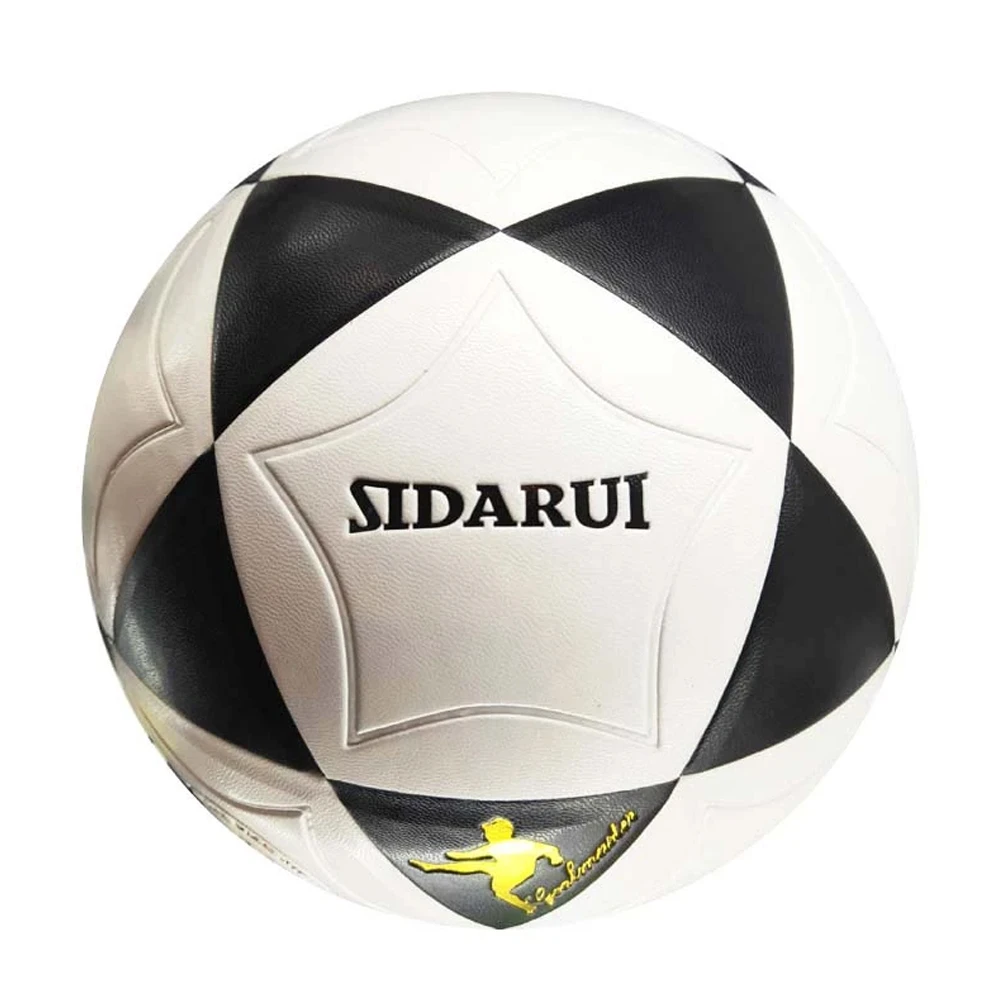
Having spent a chunk of my life around industrial gear and equipment, I’ve learned there’s something satisfying about products that marry practicality with performance. The futsal size 5 ball strikes me as one of those. Not merely a ball, but the centerpiece of an indoor game growing steadily worldwide.
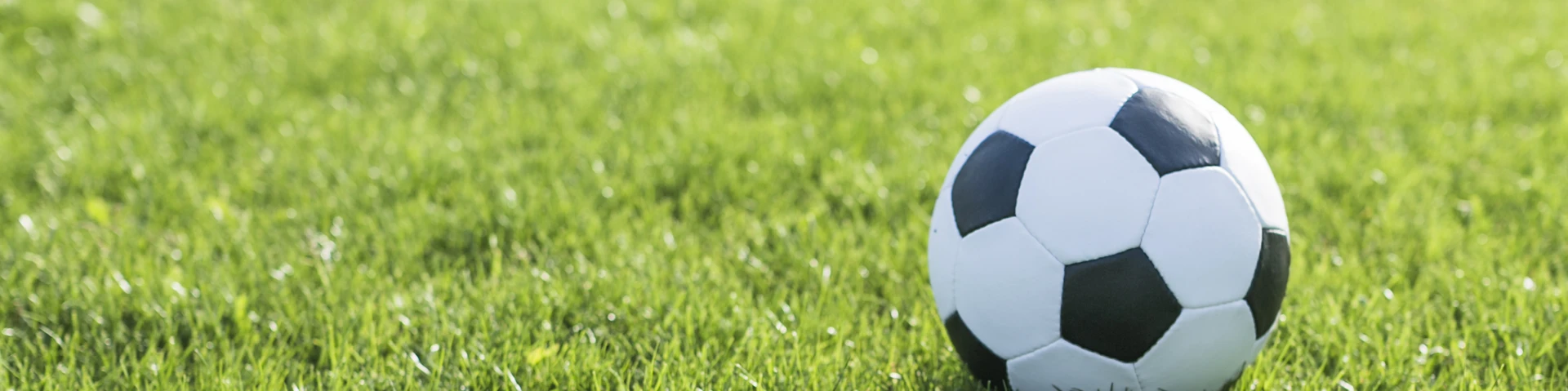
Now, futsal isn’t just an indoor version of soccer slapped together. It demands a unique ball tailored to smaller courts, quicker passes, and sharper control. Size 5 basically means it’s the same circumference as a traditional soccer ball, but with much different specifications beneath that surface. Oddly enough, for its size, the futsal ball feels less bouncy, more weighted—almost like it’s begging for a finesse touch rather than a powerhouse boot.
Industry folks I’ve talked to often highlight the blend of materials used in official futsal balls. Typically, they're made from synthetic leather or polyurethane, often layered with foam to soften impact on indoor flooring and players’ feet. That foam layer also helps minimize rebound, which is critical when the game’s all about precision and quick reactions.
Frankly, testing these balls for durability in an industrial mindset, we’d throw them through rigorous scenarios — from abrasion tests against concrete surface simulations to tens of thousands of repeated kicks. The best balls keep shape, stitching, and surface texture intact. That’s crucial because a deformed or overly slick ball can really throw off gameplay and player performance.
Here’s a quick spec glance at a typical high-performance futsal size 5 ball you might expect to find from top suppliers like those featured at Starryballs:
| Feature | Specification |
|---|---|
| Circumference | 62–64 cm (Size 5 standard) |
| Weight | 400–440 grams |
| Material | PU with foam backing |
| Bounce | Between 50–65 cm (low bounce) |
| Bladder Type | Butyl rubber for air retention |
When it comes to picking the right supplier, of course, the industry sees a handful of top players — and each brings something a little different to the table. I’ve worked with or known folks who use everything from Starryballs to Humamatch and local OEMs. What hits the sweet spot usually balances durability, feel, and price.
| Brand | Material Quality | Durability | Price Range | Indoor Performance |
|---|---|---|---|---|
| Starryballs | Premium PU with foam layer | High (tested for 20k+ kicks) | $$$ | Excellent control and low bounce |
| Humamatch | Synthetic leather | Moderate | $$ | Good for recreational indoor use |
| Local OEM | Varies, often lower grade | Low to Moderate | $ | Basic performance, inconsistent |
On a personal note, a few years ago, I was involved in outfitting an indoor sports facility that hosted local futsal leagues. After testing a few options, most players gravitated toward Starryballs’ futsal size 5 option. They said it “felt more like a real football but didn’t hop all over the court,” which is key when you’re running fast plays on a polished surface. This was exactly the feedback the engineers were hoping for.
To sum it up—whether you're equipping a professional training environment or just chasing your weekend league championships, the right futsal size 5 ball can mean the difference between a frustrating game and one where technique and agility shine. It’s a small thing that makes a surprisingly big impact.
Sometimes, it’s the gear you don’t notice — like the ball — that quietly underpins your success.
References:
1. FIFA Futsal Laws of the Game, official ball specifications (fifa.com)
2. Industry durability testing protocols, Sports Equipment Review, 2022
3. Interviews with futsal coaches and players, 2019-2023