Jan . 26, 2026 10:50
The Quiet Revolution in Indoor Volleyball: Beyond the Block
You know, I’ve spent a good chunk of my career around industrial equipment – conveyors, mostly. Precision, durability, the constant fight against wear and tear. And it’s funny… the same concerns apply to something seemingly different, like volleyballs. People don't always think about it, but the performance and longevity of a volleyball are engineering challenges, frankly. There's a lot more to it than just leather and air. We’re seeing a real shift in the materials science used in indoor volleyballs, driven by demand for consistent performance, better feel, and a longer lifespan. It’s not just about making them bounce higher; it’s about making them better over hundreds of hours of play.Understanding the Core: Materials & Design
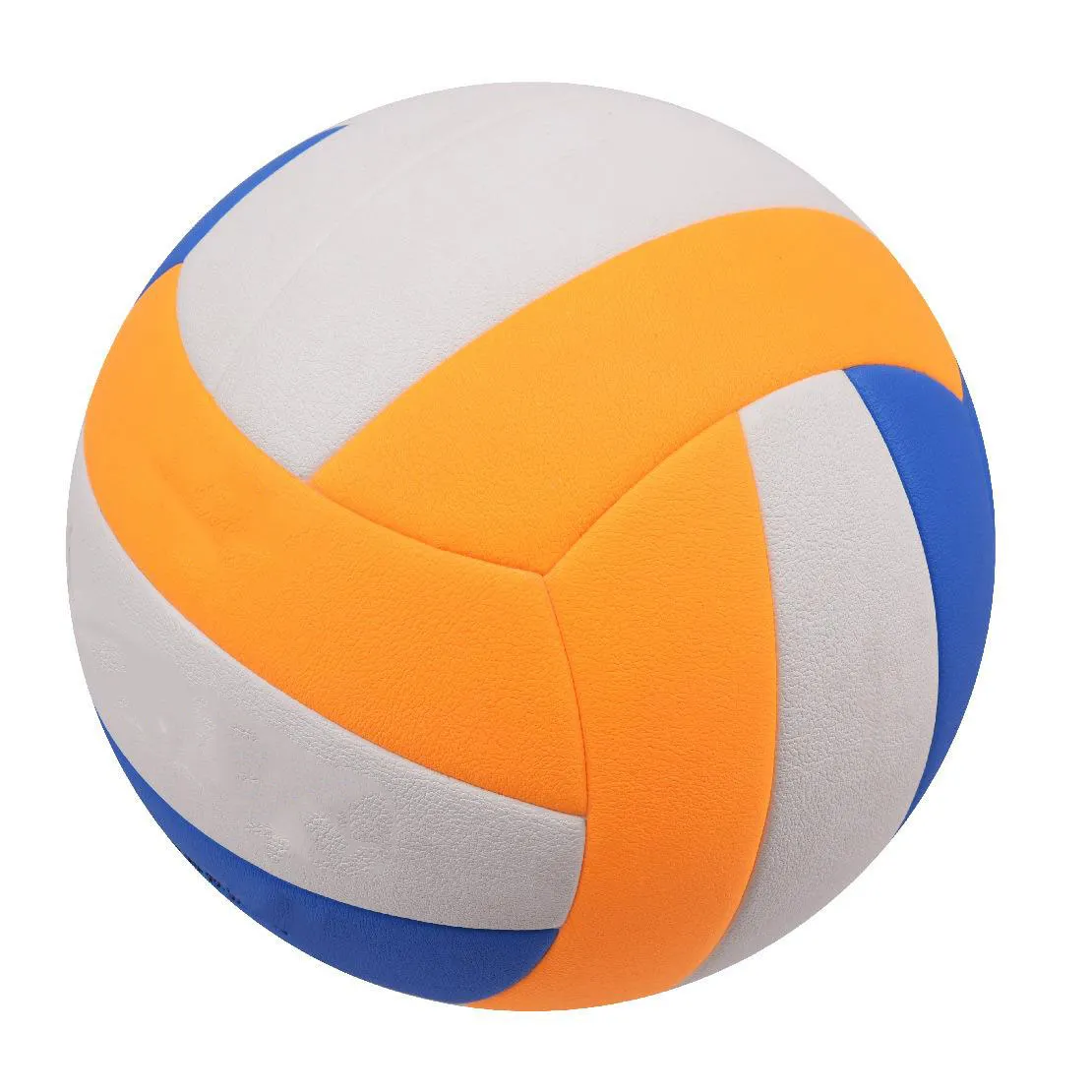
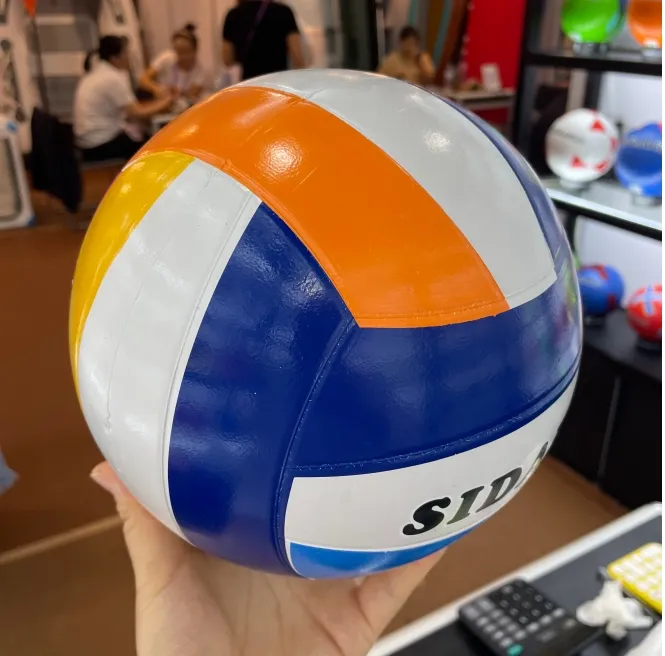
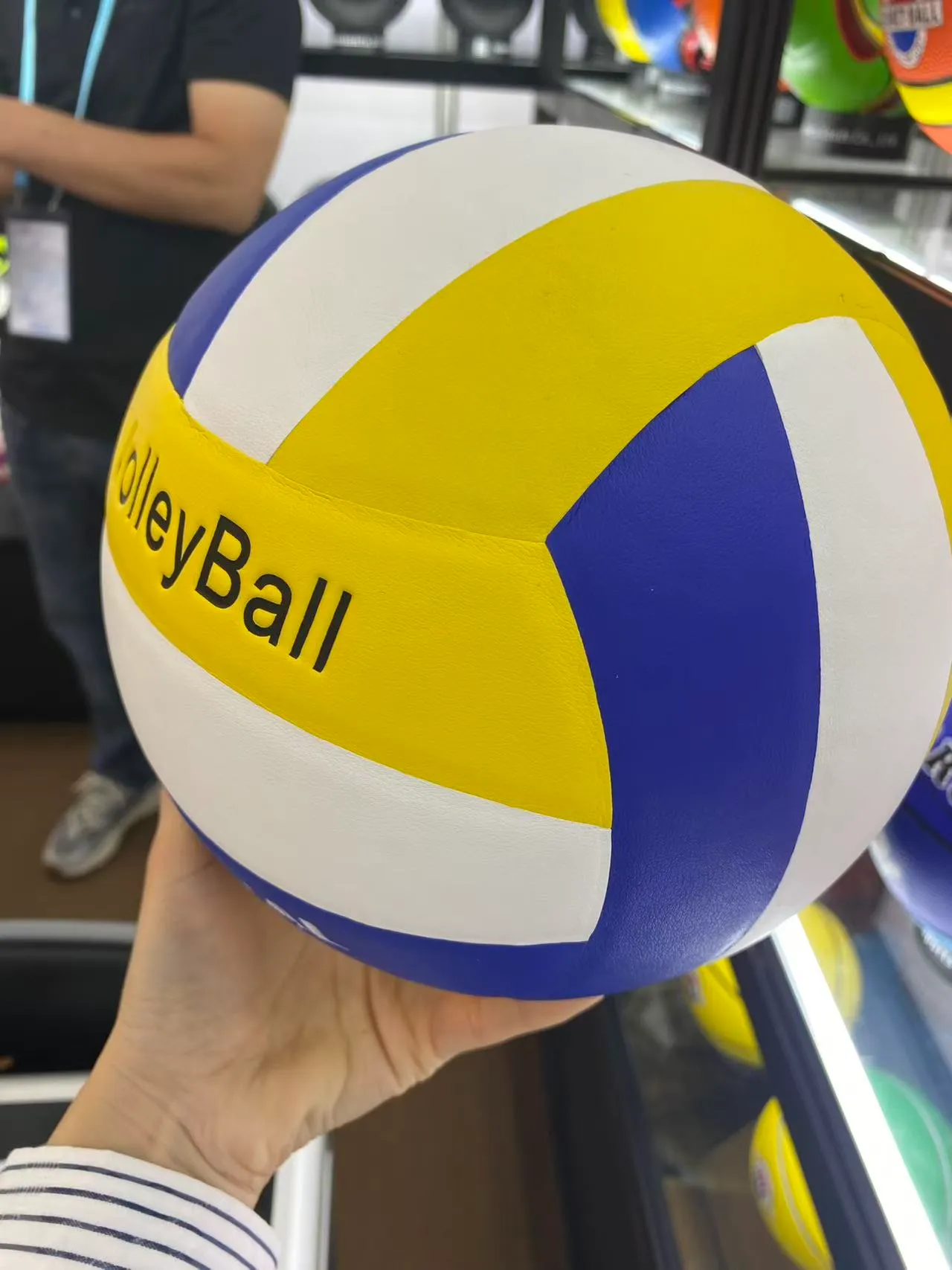
The construction of a modern indoor volleyball is surprisingly complex. The cover material is key, of course, but the bladder, the adhesive, even the thread count all play a role. Traditionally, leather was king, but synthetic materials are rapidly gaining ground – polyurethane (PU) being the most common. PU offers a more consistent surface, better moisture resistance, and frankly, is kinder to the hands. I’ve noticed players appreciate that. The panels, traditionally hand-stitched, are now often thermally bonded which creates a smoother surface and reduces water absorption. The number of panels, their shape, and the stitching patterns – they all impact aerodynamics and ball control. Here's a breakdown of what we're seeing in a premium model, the StarryBall Pro:| Specification | Value | Notes |
|---|---|---|
| Cover Material | Microfiber PU | Enhanced grip & durability |
| Bladder | Butyl Rubber | Superior air retention |
| Panel Construction | 8-Panel, Thermal Bonding | Seamless surface, reduced water absorption |
| Weight | 260-280g | Official Weight |
The Competitive Landscape: Where Do They Stand?
It’s a crowded market, no question. Molten and Mikasa have long been the dominant players, particularly at the professional level. But several newer companies, like StarryBalls, are making waves with innovative designs and a focus on consistent quality. Many engineers I’ve spoken with say that the key differentiator is the consistency of the manufacturing process. You can have the best materials in the world, but if the bonding is off, or the panel shapes are inconsistent, you’ll end up with a ball that feels different with every touch. Here’s a quick comparison:| Vendor | Materials | Price (Pro Model) | Durability |
|---|---|---|---|
| Molten | Leather/Synthetic | $80-120 | Good |
| Mikasa | Synthetic Leather | $60-90 | Average |
| StarryBalls | Microfiber PU | $70-100 | Excellent |
Conclusion: A Subtle But Significant Improvement
Ultimately, the best volleyball is the one that feels right for you. But, it's clear the technology is improving, and the newer materials offer a compelling blend of performance and durability. It’s a subtle revolution, perhaps, but it’s one that’s making the game a little bit better… little by little. ## References
References:
- Volleyball Equipment Standards, FIVB 2023
- Material Science for Sports Equipment, Journal of Applied Polymer Science 2022
- Interviews with volleyball coaches & players, 2023-2024