Dec . 03, 2025 15:06
Understanding the Mini Soccer Ball: Global Importance and Practical Insights
You might wonder, what’s so special about a mini soccer ball? Beyond being a fun toy or a training aide, these compact balls play a bigger role than you might expect. From grassroots youth development programs across continents to merchandise in global sporting events, mini soccer balls have become a ubiquitous symbol for the sport of soccer (or football, depending on where you are). But beyond the obvious, understanding their design, materials, and applications illuminates broader themes—like sports accessibility, sustainability in manufacturing, and cultural impact.
Why care, you ask? Well, soccer is arguably the world’s most popular sport, with over 4 billion followers worldwide according to FIFA’s latest reports. Mini soccer balls act as affordable and accessible entry points, especially in developing nations or tight urban spaces where full-size balls and fields may be a luxury. Plus, they inspire play and physical activity in children and adults alike, fostering community, health, and cross-cultural exchange.
Introducing the Global Context of Mini Soccer Balls
The global sports equipment market is forecasted to reach $89.5 billion by 2026 (Statista), with soccer gear contributing a significant share. The mini soccer ball, while a niche segment, services a broad demographic—from sports academies in Europe to recreational markets in Southeast Asia. It also helps address a very real challenge: how to provide affordable, durable, and portable soccer gear suitable for diverse climates and usage conditions.
Oddly enough, many regions in Africa, Latin America, and parts of Asia rely heavily on small-sized balls to get kids involved before progressing to full-size equipment—which can be cost-prohibitive or logistically challenging. They also brim with educational potential, often used in refugee camps or post-disaster areas for psychosocial support and community sport programs.
What Exactly Is a Mini Soccer Ball?
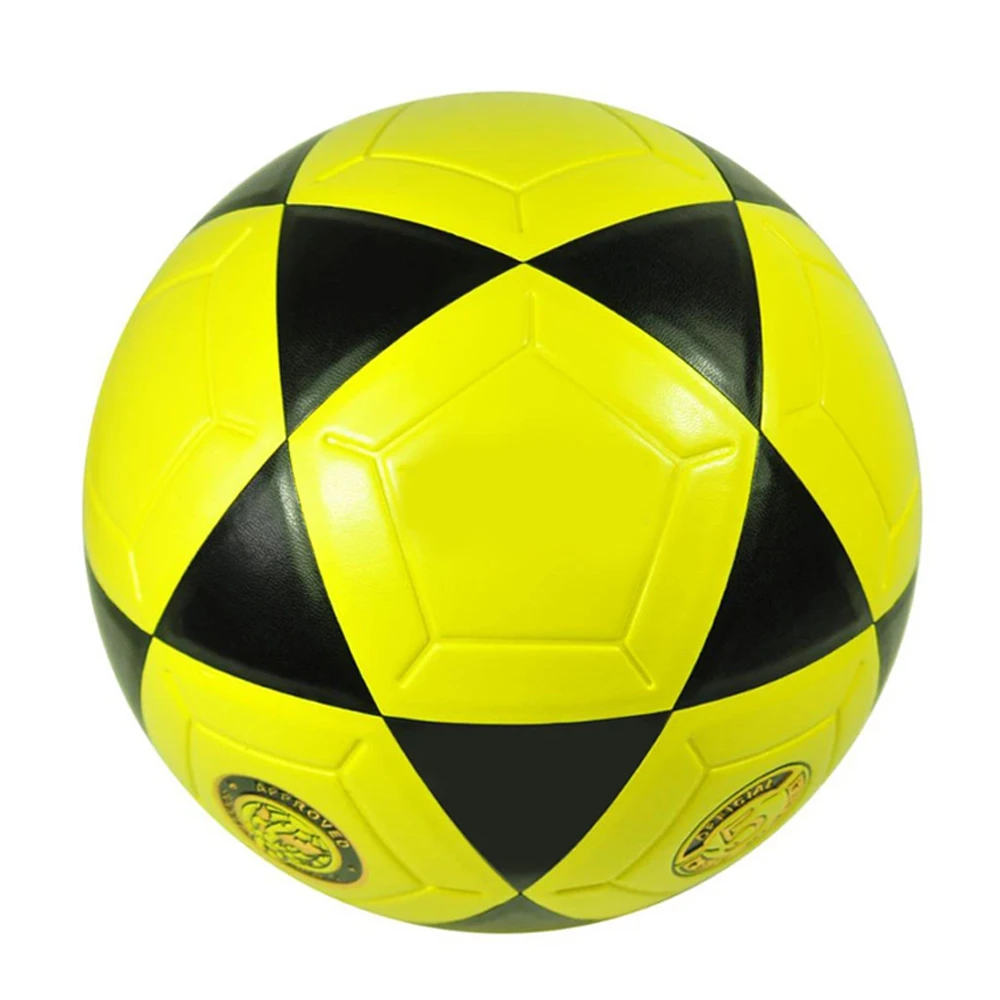
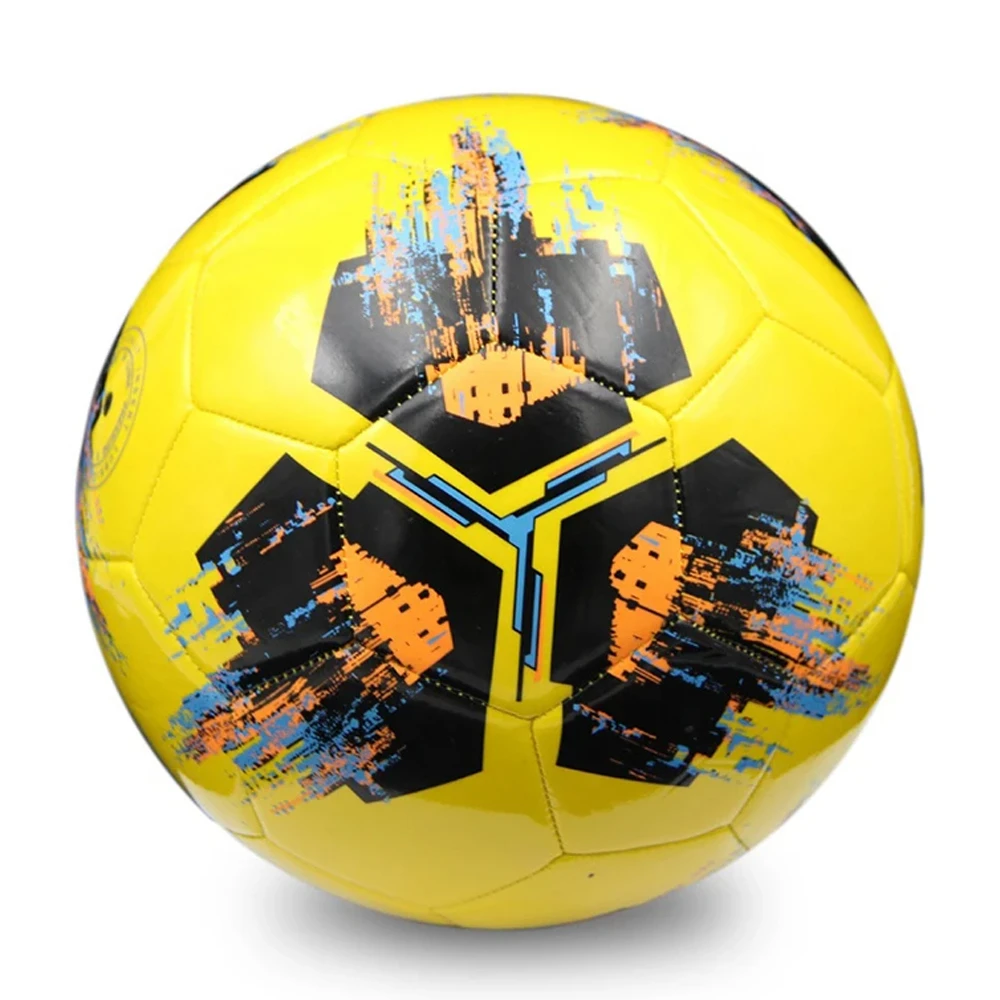
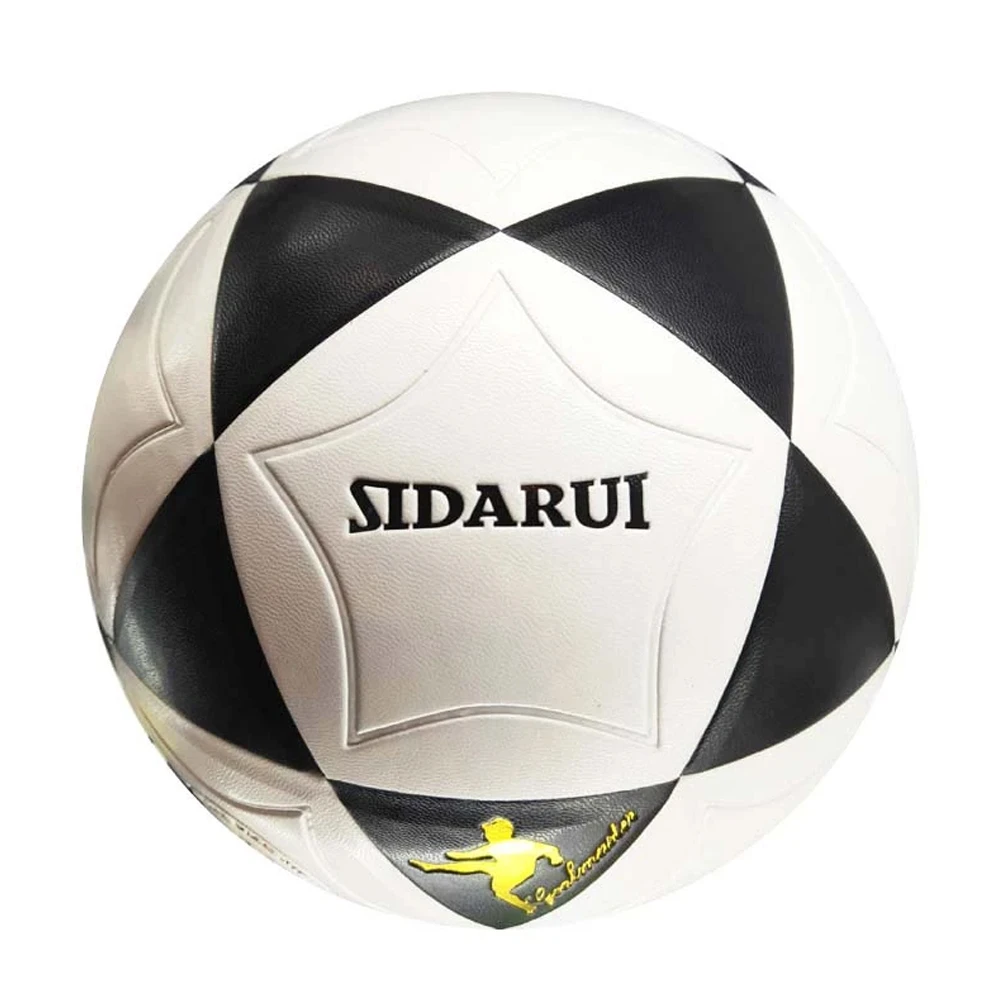
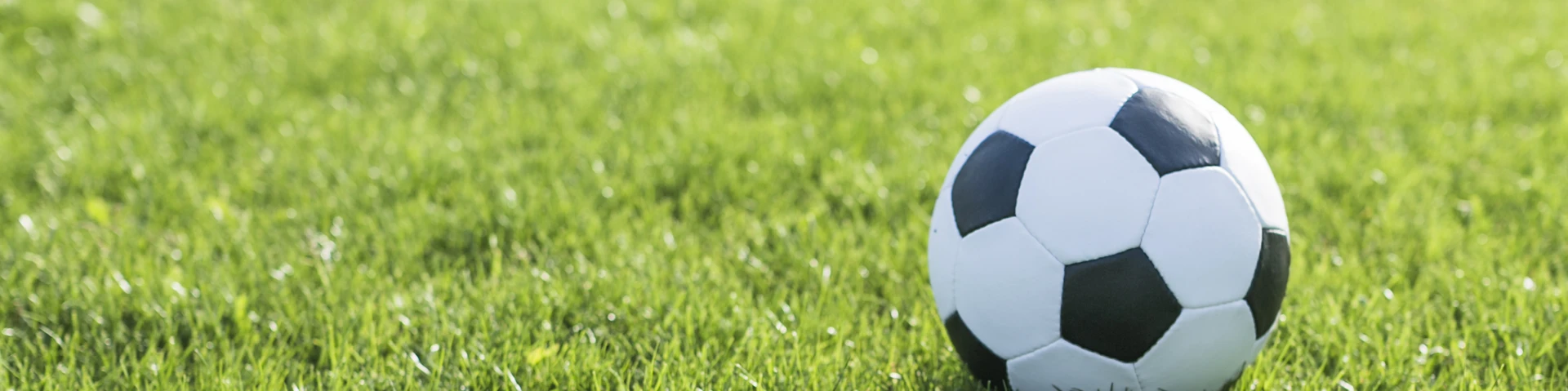
Simply put, a mini soccer ball is a smaller, lighter version of a standard soccer ball, typically ranging in diameter from 15 to 20 cm (about 5.9 to 7.9 inches). While a full-size soccer ball is size 5, mini versions often fall into size 1 or 2 categories. They may be made from polyurethane, PVC, or synthetic leather, and designed to replicate the feel and bounce of regulation balls—but with less weight and size for easier handling.
In modern industry terms, these balls serve multiple roles: promotional giveaways, skill development tools, and affordable sporting equipment. Humanitarian organizations also leverage them in programs aiming to enhance youth engagement and social cohesion in challenging environments.
Key Factors Affecting Mini Soccer Balls
Durability
Durability is critical because these balls often face rough conditions—whether it’s uneven urban terrain or outdoor fields in constantly changing weather. Most top mini soccer balls feature reinforced stitching or thermally bonded panels to resist wear and tear, and they’re designed not to lose air easily.
Materials & Feel
The tactile experience matters: a ball too hard or too soft won’t simulate real playing conditions well. Polyurethane-covered balls tend to have better grip and responsiveness, while PVC options offer affordability. That said, eco-conscious manufacturers are beginning to experiment with recycled or biodegradable materials to reduce environmental impact.
Size & Weight
By reducing both size and weight, mini soccer balls allow players, especially children, to develop coordination and ball control skills without strain. It’s also easier to play in confined spaces or indoors. Size choice can be tailored based on the player’s age and intended use.
Price Point
Mini soccer balls vary widely in cost, influenced by materials, brand, and production scale. NGO projects or schools might prioritize low-cost balls in bulk, whereas clubs could opt for premium versions with enhanced durability.
Customization & Branding
Manufacturers often offer personalization options—logos, colors, or special editions—to meet promotional or marketing needs. This flexibility increases their appeal as corporate giveaways or event merchandise.
Portability
Compact size naturally means they’re travel-friendly, easy to carry in backpacks or hand luggage, making them popular souvenir or impulse-buy items worldwide.
Mini Soccer Ball Technical Specifications
| Specification | Typical Range/Value | Notes |
|---|---|---|
| Diameter | 15-20 cm (5.9-7.9 in) | Size 1 or 2 standard |
| Weight | 200-350 grams | Varies with materials |
| Outer Material | PU or PVC | PU favored for grip |
| Construction | Stitched or thermally bonded | Thermal bonding improves water resistance |
| Inflation Pressure | 0.4-0.6 bar | Lower than standard size 5 |
Vendor Comparison: Top Mini Soccer Ball Manufacturers
| Vendor | Material Quality | Price Range (per unit) | Customization Available | Distribution Reach |
|---|---|---|---|---|
| StarryBalls Co. | High-grade PU | $4 - $8 | Full branding options | Global |
| SoccerMini Ltd. | Mid-quality PVC | $2 - $5 | Limited | North America & Europe |
| EcoKick Supplies | Recycled composites | $5 - $10 | Yes, eco-friendly designs | Europe & Asia |
Real-World Applications of Mini Soccer Balls
In places like Brazil and Nigeria, mini soccer balls are staples in youth sports academies, enabling training drills focused on footwork and control. In refugee camps managed by the UNHCR, small soccer balls become vital tools to spark play therapy among children affected by conflict.
Meanwhile, urban recreation centers in cities like Tokyo or New York utilize mini soccer balls for indoor leagues where space constraints forbid full-size play. School sports days often feature these balls as prizes or for skill challenges, making them accessible for children of all ages and abilities.
Advantages & The Long-Term Value of Mini Soccer Balls
- Accessibility: Affordable prices democratize ball sports participation globally.
- Durability: Quality construction ensures they last through rough use and all-weather conditions.
- Portability: Compact size makes them ideal for travel and casual play.
- Social Impact: Encourages physical activity, social bonding, and community engagement.
- Sustainability: Advances in recycled materials reduce environmental footprint.
Oddly enough, a mini soccer ball feels like much more than just gear when seen through the lens of social change and personal growth—it becomes a tiny ambassador of joy and connection.
Future Trends & Innovations in Mini Soccer Balls
Material science is advancing fast. Expect to see bio-based polyurethane and advanced recycled polymers becoming the norm, cutting down pollution from traditional plastics. Digital integration is also on the horizon—smart balls with embedded sensors to track spin, speed, and kick strength are in experimental stages, potentially revolutionizing training methodologies.
Moreover, with growing focus on circular economy policies, manufacturers are designing balls that can be fully disassembled or composted after use. This shift aligns with global sustainability goals championed by organizations like ISO and the UN.
Challenges & Solutions
The biggest challenge? Balancing cost with quality and sustainability. Low-cost balls often skimp on durability, leading to frequent replacements and waste. Meanwhile, eco-friendly materials can be more expensive upfront. The solution lies in scaling production efficiencies and improving supply chains—some companies already partner with NGOs to distribute quality mini soccer balls at subsidized rates without compromising on eco-credentials.
FAQ: Mini Soccer Ball Essentials
Q1: What age group is a mini soccer ball suitable for?
A mini soccer ball is ideal for children aged 3 to 8 years, helping them learn basic ball handling. However, adults sometimes use them for dexterity drills and promotional purposes.
Q2: How durable are mini soccer balls for outdoor use?
Durability depends on materials—those with thermally bonded polyurethane covers typically withstand rough play and wet conditions for months to years, depending on frequency of use.
Q3: Can mini soccer balls be customized for events?
Most vendors offer full branding options including logos, colors, and sizes, perfect for giveaways or tournaments.
Q4: Are eco-friendly mini soccer balls as good as traditional ones?
Current eco-friendly balls on the market perform comparably but may have a slightly different feel. Research and innovations continue to close this gap rapidly.
Conclusion: Kick Off Your Journey With Mini Soccer Balls
Mini soccer balls might seem small, but their impact is anything but. They open doors to sport and social inclusion, encourage healthy lifestyles, and reflect exciting technological evolutions in manufacturing. Whether you’re a coach, parent, NGO worker, or manufacturer, understanding these compact balls offers insight into a global movement toward accessible, sustainable sport.
To explore quality mini soccer ball options or learn more about their applications, visit our website: mini soccer ball.
Mini takeaway: Whether for fun, training, or community development, mini soccer balls serve a pivotal role bridging sports, culture, and innovation worldwide.