Nov . 19, 2025 00:30
Understanding Regulation Soccer Ball Size 5: Why It Matters Worldwide
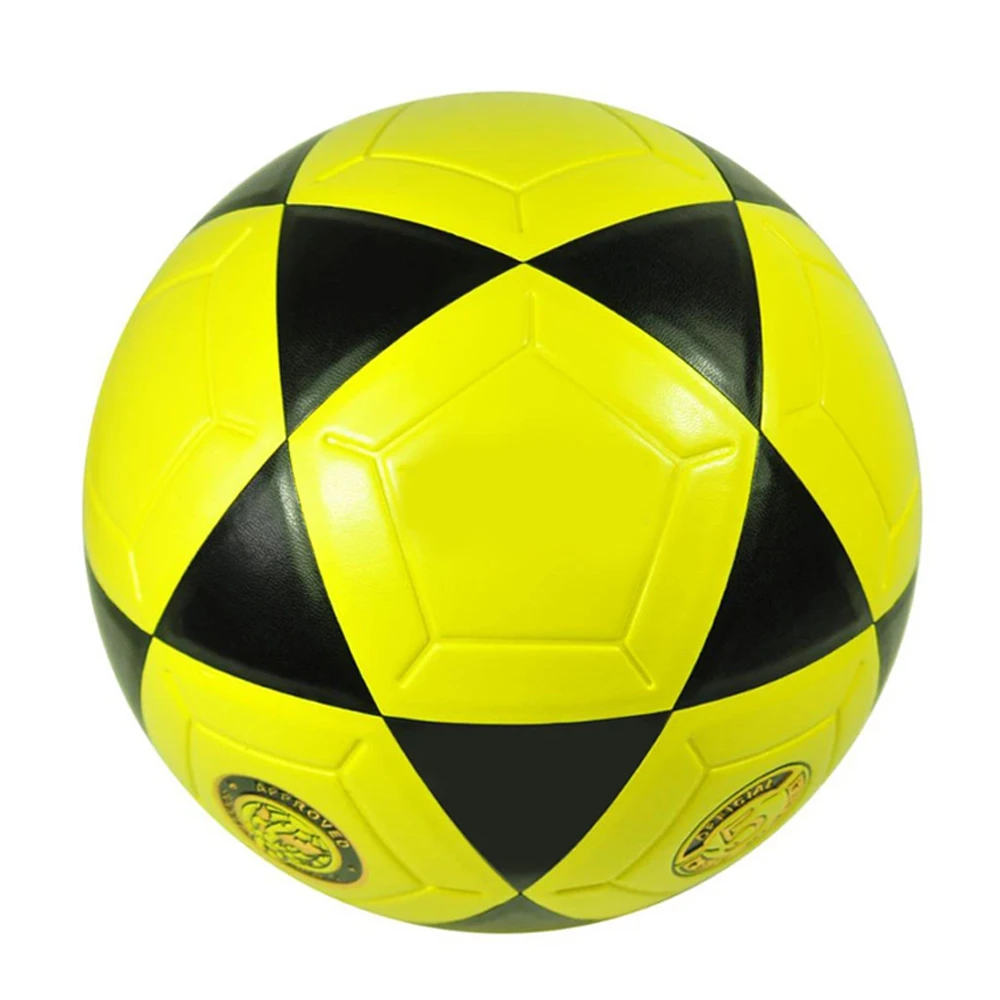
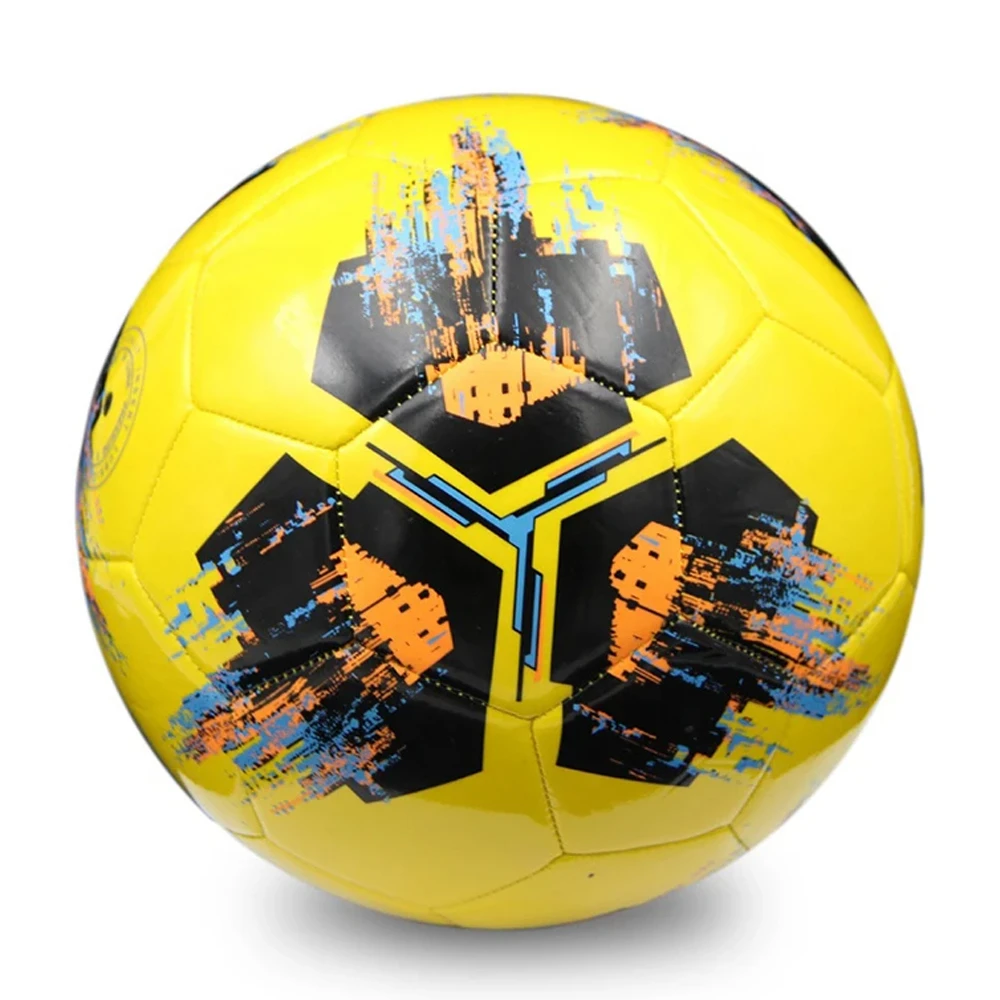
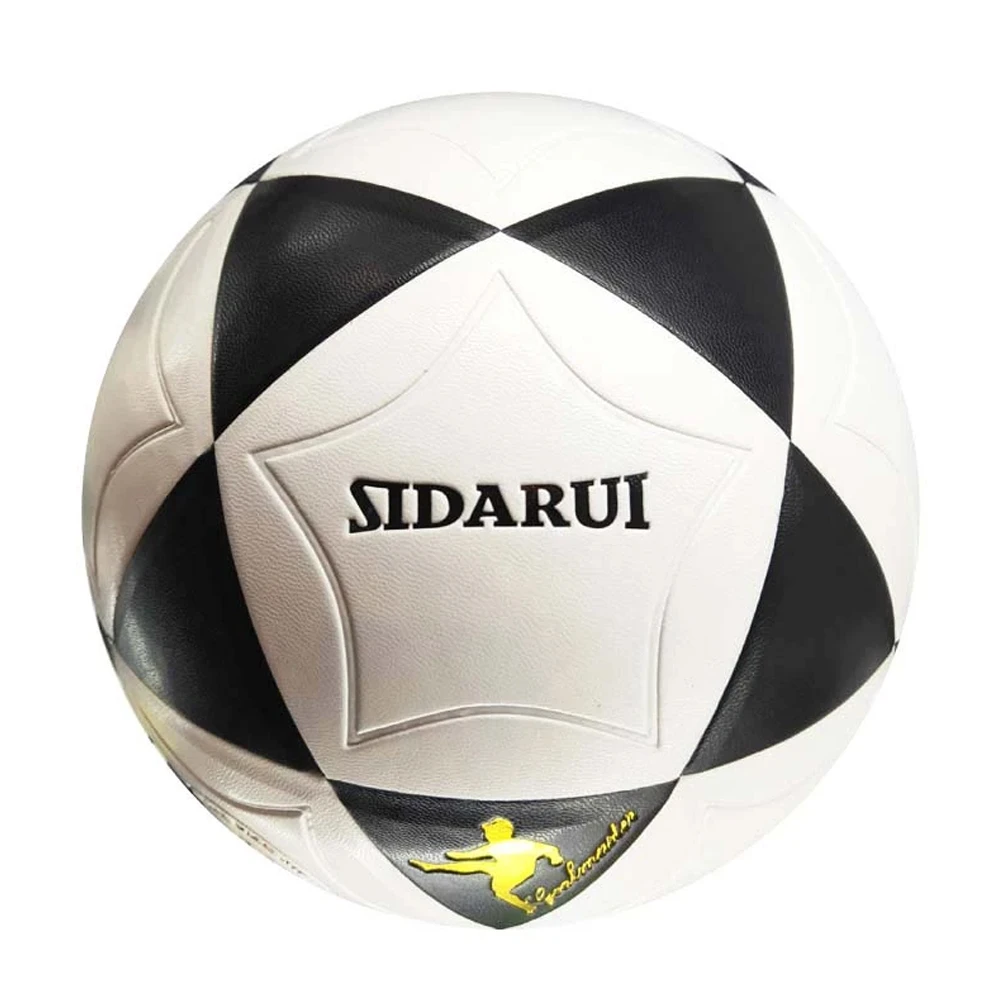
Whether you’re a weekend warrior, a coach, or in the business of sports products, knowing about the regulation soccer ball size 5 is pretty darn important. Globally, size 5 balls are the gold standard for adult soccer matches, from the back alleys to World Cups. It’s fascinating how such a simple measurement connects millions of players across continents. In practical terms, understanding what this designation means helps manufacturers, sports organizations, event planners, and even humanitarian groups ensure consistent play, fair competition, and community engagement.
Soccer—or football, depending on where you’re from—is the world’s most popular sport. According to FIFA, over 270 million people play regularly with billions of fans worldwide. The regulation ball size standardizes equipment globally, so when a match kicks off in Brazil or Belgium, the ball behaves reliably every time.
A Global Perspective: How Size 5 Soccer Balls Connect the World
Globally, soccer is more than just a game—it's a cultural bond and, frankly, a little bit of a social glue. The regulation soccer ball size 5 has an official circumference between 68 and 70 centimeters (roughly 27 to 28 inches), and weighs between 410 to 450 grams, per standards set by the International Organization for Standardization (ISO) and FIFA.
Because soccer is such a massive global industry—estimated at over $40 billion in annual revenue—it’s vital that equipment specs remain consistent. Think about leagues from the grassroots level up through professional ones: consistent ball size matters for training, skill development, and safety. In developing countries or post-conflict zones, NGOs often supply size 5 balls as part of youth engagement and peace-building efforts.
Yet, with all this demand, there's a practical challenge: not every ball labeled "size 5" fits the criteria. Poor inflations, substandard materials, or cost-cutting can lead to drastic differences in gameplay. The consequences range from irritation to injury risk or unfair competition.
What Is a Regulation Soccer Ball Size 5?
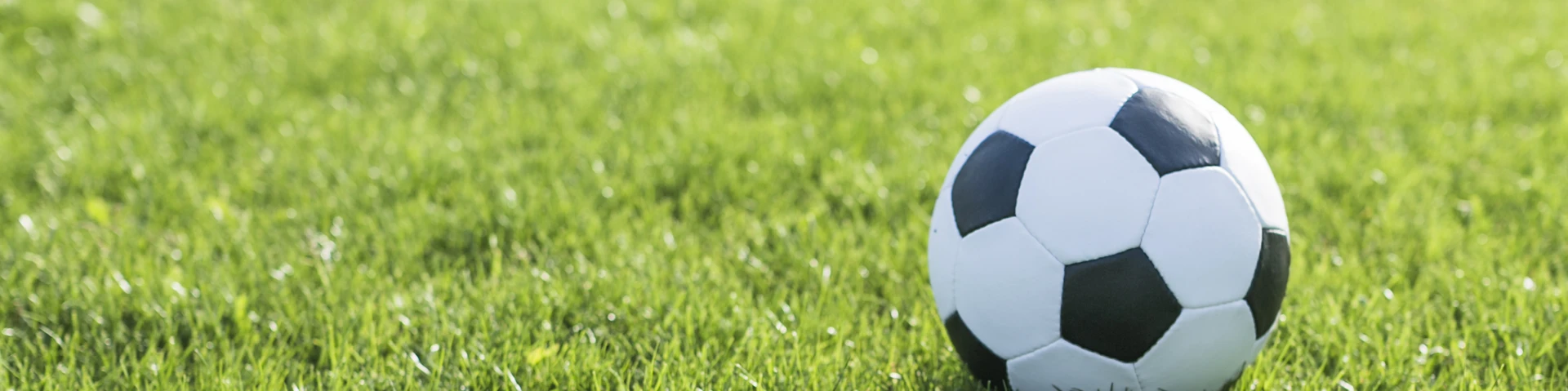
Simply put, a regulation soccer ball size 5 is the official ball size used in adult football matches worldwide. According to FIFA, it must satisfy very specific criteria:
- Circumference: 68–70 cm (27–28 in)
- Weight: 410–450 grams (14–16 oz)
- Material: Usually synthetic leather with a durable, airtight bladder
- Pressure: Inflated to between 0.6 and 1.1 atmosphere at sea level
This ball size is designed to optimize ball control, speed, and durability for adult players, delivering predictable flight and bounce for engaging gameplay.
From an industry perspective, the regulation size helps manufacturers ensure compliance with tournament regulations and inspires innovation in materials such as thermally bonded panels or eco-leathers. Plus, NGOs distributing soccer balls for youth programs use size 5 balls to get kids ready for adult play, promoting a smooth, progressive learning curve.
Core Elements of Regulation Soccer Ball Size 5
1. Durability
Soccer balls need to withstand thousands of kicks, rain, mud, and whatever nasty little rocks the pitch throws at them. Size 5 balls use synthetic leather or polyurethane, which offers a great balance of flexibility and toughness. The stitching—either hand-stitched or thermally bonded—also affects lifespan.
2. Playability
The ball's weight and pressure directly affect control and flight. Size 5 balls are calibrated for optimal touch and bounce, helping players from beginners to pros run beautiful moves and accurate passes.
3. Standardized Dimensions
The circumference and weight need to stay within a tight range to guarantee fair play. No wonder match officials bring their own balls to ensure fairness—imagine a ball too small or heavy disrupting an entire game.
4. Cost Efficiency
For manufacturers and organizations ordering in bulk, costs matter. Producing balls that meet standards but stay affordable for schools and NGOs is a fine balancing act. Fortunately, advances in manufacturing have helped drive prices down.
5. Sustainability
With climate concerns rising, many companies now explore eco-friendly materials and production techniques. Some size 5 balls now use recycled plastics or biodegradable composites without compromising quality.
| Feature | Standard Range | Notes |
|---|---|---|
| Circumference | 68–70 cm (27–28 in) | Per FIFA and ISO 37:2017 |
| Weight | 410–450 grams (14–16 oz) | Optimal flight and control |
| Material | Synthetic leather/PU | Affects durability and feel |
| Pressure | 0.6–1.1 atm | Measured at sea level |
| Stitching | Hand or thermal bonded | Impacts water absorption and longevity |
Where the Regulation Soccer Ball Size 5 Is Used Globally
It feels like the entire world has a piece of size 5 balls bouncing around somewhere.
- Professional leagues: All top-flight soccer leagues use regulation size 5 balls for official matches.
- Amateur and youth teams: Older youth groups (ages 12 and up) transition to size 5 to simulate adult conditions.
- NGO and educational programs: Using regulation balls builds familiarity and promotes development at community levels worldwide.
- Post-disaster and peace-building efforts: NGOs often distribute size 5 balls in camps and communities to regenerate social ties and provide safe, structured activity.
- Industrial and corporate leagues: Many companies sponsor internal tournaments using standardized balls to promote wellness.
In fact, an example from East Africa’s refugee camps shows how supplying durable size 5 balls opened calm, cooperative spaces for young people — a welcome break from harsh realities. Stories like these add a layer of human warmth to the technical specs.
Why You Should Care: Benefits and Value of Regulation Soccer Ball Size 5
Let’s get real. Having a ball that conforms to standards delivers a trifecta of benefits:
- Consistency: Players know what to expect, allowing fair and balanced competition.
- Durability: Lower replacement costs and environmental waste with quality materials.
- Safety and trust: Balls inflated and sized properly reduce injury risks.
- Social impact: Growing soccer skills and promoting social cohesion, often under tough circumstances.
- Innovation: The push for better size 5 balls drives material science and manufacturing improvements.
Emotionally, the ball is a symbol. I’ve observed how kids in poor districts clutch their regulation balls with pride—they’re not just toys but gateways to dreams. At the end of the day, the size 5 rules aren’t just standards—they’re enablers.
What’s Next? Trends and Innovations with Regulation Soccer Ball Size 5
We live in an era where even old friends like the soccer ball are getting a tech makeover.
- Smart balls: Embedded sensors that track speed, spin, and location. Coaches swear by these for training analytics.
- Eco-friendly design: Innovations in biodegradable panels and recyclable materials reduce carbon footprints.
- Improved waterproofing: Thermal bonding limits water absorption, stabilizing performance in wet games.
- Customization: Digital printing + tech enables bespoke balls for marketing or event-specific campaigns.
The focus on sustainability is especially intriguing since it blends passion for sports and care for the planet, which is kind of a win-win.
Obstacles & Fixes in Maintaining Size 5 Ball Standards
Of course, it’s not all smooth sailing. Common challenges include:
- Counterfeit products that flood markets with lower-quality balls.
- Variations in manufacturing leading to inconsistent inflation or size.
- High costs for durable balls making access more difficult in low-income areas.
- Lack of awareness or training on ball care, shortening lifespan.
Experts suggest end-to-end quality control and increased certification programs help curb these problems. Educational efforts, combined with partnerships among manufacturers, governing bodies, and NGOs, are making inroads.
Comparing Top Vendors: Regulation Soccer Ball Size 5 Products
| Vendor | Material | Durability Rating | Price per Unit | Sustainability Features |
|---|---|---|---|---|
| StarryBalls Pro | PU synthetic leather | High (5000+ kicks) | $28.50 | Recycled panels, biodegradable bladder |
| ClassicFoot 5 | PU leather composite | Medium (3000+ kicks) | $22.00 | Standard, non-recycled materials |
| EcoKick 5 | Bio-based PU & natural latex | Medium-High | $34.00 | 100% biodegradable, carbon-neutral production |
FAQ: Answers You’re Probably Looking For About Regulation Soccer Ball Size 5
Q: Why is size 5 the standard for adult soccer rather than other sizes?
A: Size 5 balls strike the ideal balance of weight and circumference for adult players, offering good control, flight stability, and safety. Smaller sizes (3 or 4) are used mainly for children, while size 5 is recognized internationally for competitive play.
Q: How often should a regulation size 5 soccer ball be replaced in training?
A: Depending on intensity, quality, and care, size 5 balls typically last between 3 to 6 months with regular training. Higher-end balls can endure longer. Regularly checking for leaks and panel wear helps extend life.
Q: Can I use a size 5 ball for younger kids learning soccer?
A: While younger kids often start with smaller balls (size 3 or 4), some advanced youth groups (12+) benefit from using size 5 to prepare for adult competition. However, it depends on player skill and strength to avoid injury.
Q: Are size 5 regulation soccer balls eco-friendly options widely available?
A: Yes. More manufacturers are producing size 5 balls using recycled or biodegradable materials without sacrificing quality. These innovations help reduce ecological footprints, though prices might be a bit higher.
Q: How can NGOs procure regulation soccer ball size 5 for projects in remote areas?
A: Working with certified vendors offering bulk discounts and coordinating logistics through local partners simplifies sourcing. Certifications ensure balls meet standards, while international shipping contracts or warehouse partners improve delivery efficiency.
Wrapping It Up: Why Regulation Soccer Ball Size 5 Is Here to Stay
Over decades, the regulation soccer ball size 5 has become an everyday symbol of skill, fairness, and community across the globe. While challenges remain in accessibility and quality control, innovations and growing demand continue to push the boundaries. Whether you’re kicking around a dusty street in Kenya or training for a European league final, that 27-inch sphere defines the beautiful game’s heartbeat.
For those interested in exploring quality options or learning more about certification and innovations around regulation soccer ball size 5, visit us at regulation soccer ball size 5. You might just find the perfect match ball waiting.