Jan . 06, 2026 03:45
Choosing the Right Size 4 and 5 Soccer Balls for Every Player
Having spent years in industrial equipment, I never thought I'd get so particular about soccer balls, but here we are. You see, size 4 and 5 soccer balls actually have more nuance than you might imagine. Oddly enough, this stuff isn’t just about the game—it’s about material engineering, performance testing, and even a bit of psychology.
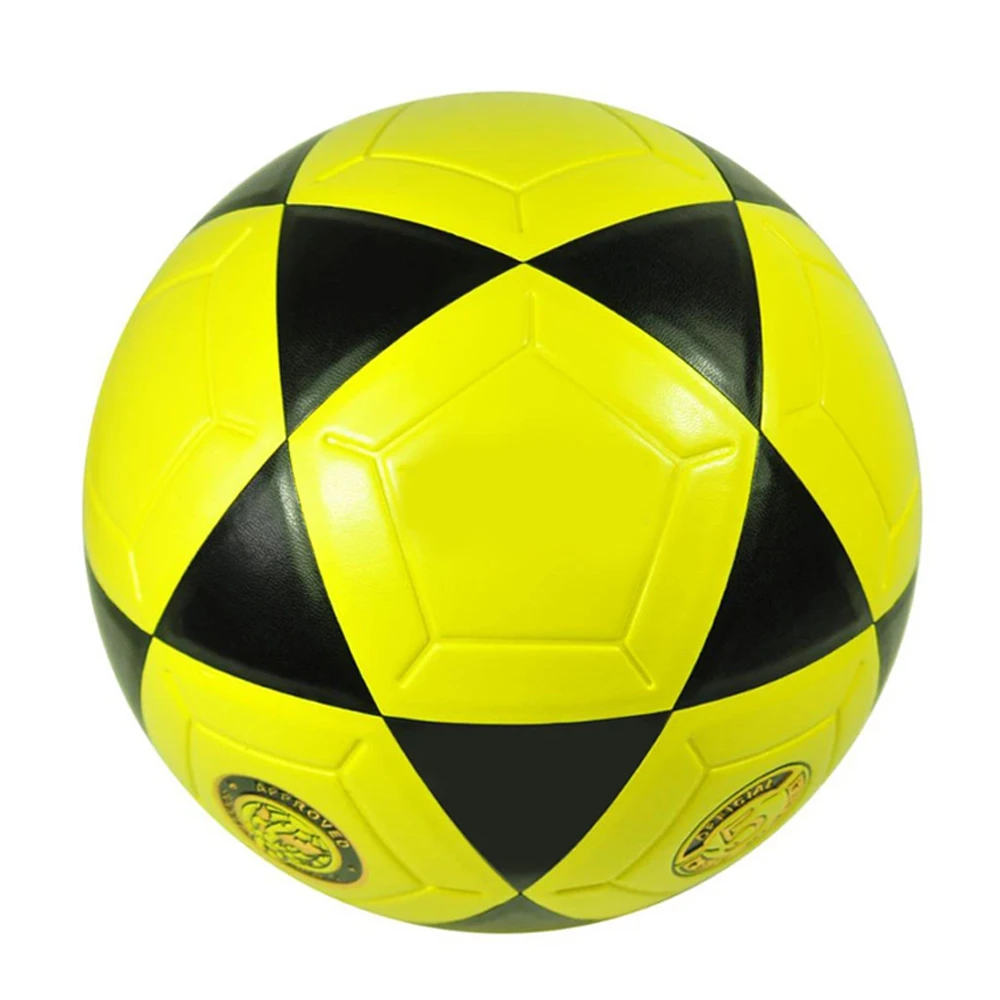
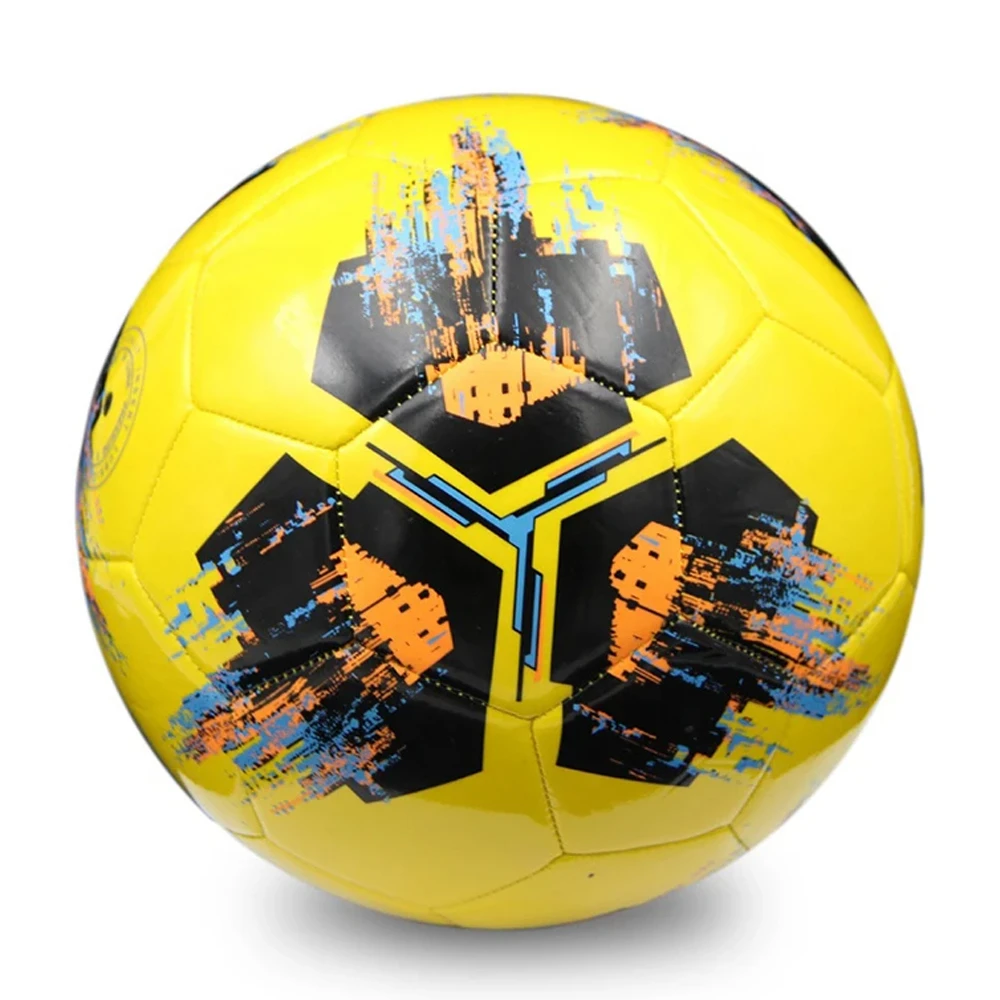
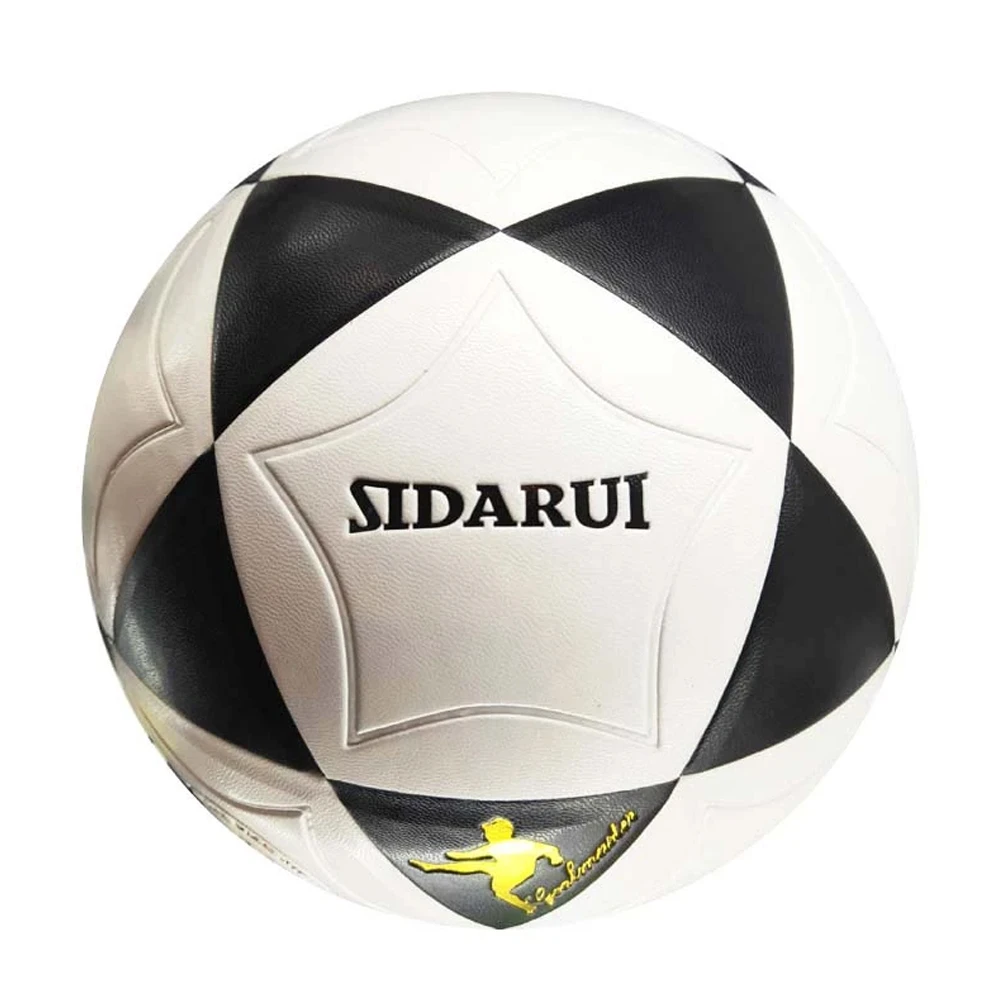
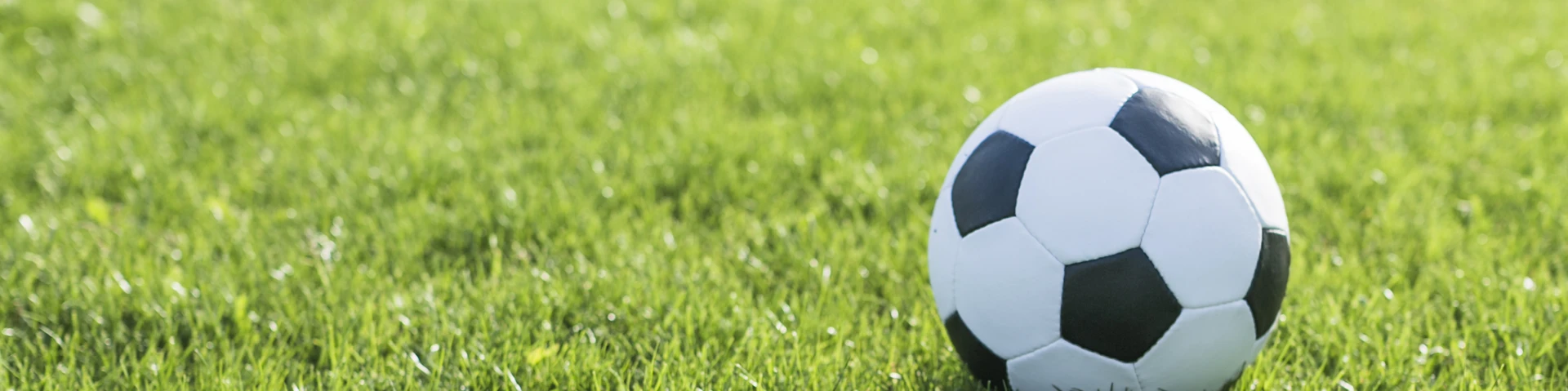
Soccer balls come in different sizes largely based on the age and skill level of the players. Size 4 balls, typically 25 to 26 inches in circumference, are great for kids aged 8-12, while size 5 balls (27 to 28 inches) are the official standard for players 12 and up, including pros. Those size distinctions might sound straightforward, but the construction and materials behind the scenes really influence how the ball performs on the field—and honestly, as someone who’s seen a fair share of rugged industrial tests, I find that pretty fascinating.
One of the first things that stuck with me is the material choice. Most modern soccer balls, including both sizes 4 and 5, use PU (polyurethane) or PVC (polyvinyl chloride) outer covers. PU usually feels softer and offers better touch control, which is a must for developing players. I’ve personally noticed that PU balls tend to stay true in different weather conditions and last longer, though they usually come at a higher price point. PVC balls are tougher, more durable, and generally cheaper, but sometimes they feel a bit stiff—with less “give” on the foot. You really get what you pay for, in real terms.
Equally important is the bladder inside the ball. Most quality balls use latex or butyl bladders. Latex offers great bounce and softness but requires frequent pumping, while butyl maintains air much longer. Speaking from experience, for training purposes with kids on the go, butyl bladders save a lot of hassle.
Now, for a little insider scoop on testing—brands often perform rigorous lab conditions, simulating thousands of kicks to ensure durability. The ASTM F1737 standard, for instance, governs the performance and safety of soccer balls regarding size, weight, bounce, and water absorption. I’ve been on a few test QA sessions where balls were dunked in water repeatedly to check how much weight they gain. Turns out, a waterlogged ball is not just annoying but also dangerous in matches.
Thinking about size differences, here’s a quick specs rundown:
| Specification | Size 4 | Size 5 |
|---|---|---|
| Circumference | 25-26 inches (63.5-66 cm) | 27-28 inches (68.6-71 cm) |
| Weight | 350-390 grams | 410-450 grams |
| Recommended Age | 8-12 years | 12 years and up |
| Bladder Type | Butyl or Latex | Butyl or Latex |
| Cover Material | PU or PVC | PU or PVC |
When you start comparing vendors, the differences arise not just in specs but in reputation, warranty, and customization. Below's a quick informal comparison based on what I’ve seen in the industry and on the field.
| Vendor | Material Quality | Durability | Customization Options | Price Range |
|---|---|---|---|---|
| StarryBalls | High-grade PU cover | Excellent (ASTM tested) | Full logo and color customization | $$$ |
| Generic Brand X | Standard PVC cover | Moderate (consumer tested) | Limited colors, no logos | $ |
| Premium Sports | PU blend with reinforced panels | Very High | Custom shapes & advanced print | $$$$ |
Reflecting on a quick story: A youth soccer coach once told me how switching from size 5 balls to size 4 balls during training transformed his younger players’ skills. The lighter size meant better ball control and less intimidation. It’s those small, practical insights that come from using the right equipment that you don't find in specs sheets.
Honestly, when you shop for soccer balls, it pays to think about who’ll use them first and foremost. Beyond just the size and surface, things like bladder retention, stitching quality (hand-stitched or machine-stitched), and even water resistance really matter. You want a ball that’s consistent from the first whistle to the last, not just out of the box.
In my experience, size 4 and 5 soccer balls are key fundamentals—small details that make a big difference in performance, safety, and enjoyment. Whether for games, training, or even recreational use, choosing wisely always makes playtime better.
So, next time you pick a soccer ball, remember: it’s a mix of engineering, craftsmanship, and a touch of fun rolled into one.
Sources:
- FIFA Quality Programme for Footballs
- ASTM International F1737 Standard Specification
- Personal interviews with industry QA engineers, 2020-2023