Jan . 07, 2026 04:40
Understanding Size 4 Soccer Ball Weight: A Practical Guide
Having been around industrial equipment for more than a decade, I sometimes get asked about things that might seem simple but actually have a few nuances — like size 4 soccer ball weight. It’s funny how such an everyday object in sports engineering has all these technical details underneath.
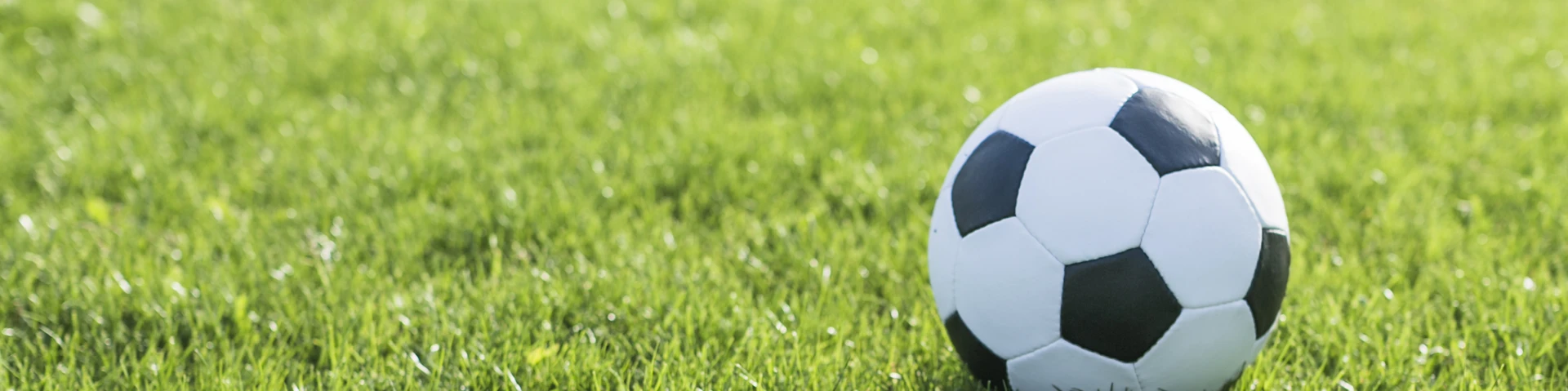
Size 4 soccer balls, typically designed for players aged 8 to 12, weigh a bit less than the adult sizes. They usually sit somewhere between 350 and 390 grams (which is roughly 12.3 to 13.8 ounces). This range isn’t random — it reflects years of testing and standards set by global bodies like FIFA and manufacturing experts who want the ball to “feel right” without being too heavy or too light for younger athletes.
From my experience working around material specs and quality control, the weight isn’t the only factor — the composition of the ball's outer layer and the bladder inside strongly influence how the weight feels when kicked or tossed around. Polyurethane covers, for example, give a consistent, slightly softer touch but can also add a tad more weight compared to PVC covers.
In real terms, when a youth player first handles a size 4 ball, it shouldn’t feel like a brick, nor should it be so light that it flies off oddly in the wind. What’s interesting is how manufacturers tune the specs to balance durability (these balls get kicked a lot) with performance and weight consistency.
| Spec | Standard Range | Notes |
|---|---|---|
| Weight | 350g – 390g (12.3 – 13.8 oz) | FIFA-approved youth range |
| Circumference | 25 to 26 inches (63.5 – 66 cm) | Matches mid-size youth standards |
| Cover Material | PU or PVC synthetic leather | Affects softness and weight feel |
| Bladder Type | Latex or Butyl | Butyl offers better air retention |
Oddly enough, I've noticed in some workshops and quality audits that even balls within the legal weight range can “feel” different. One time, a company I was consulting for experimented with slightly lighter balls — about 345g — and some coaches complained they were harder to control during windy outdoor practices, kind of like a feather in a strong breeze. So, experience definitely counts here.
Speaking of vendors, here’s a quick comparison of common suppliers for size 4 balls, focusing on weight, price, and material — all key to deciding which to stock or recommend:
| Vendor | Weight (g) | Material | Price Range | Notes |
|---|---|---|---|---|
| StarryBalls Co. | 365 – 380 | High-grade PU latex bladder | $25 – $30 | Excellent air retention, durable cover |
| KickPro Sports | 350 – 370 | PVC with butyl bladder | $20 – $27 | More affordable, slightly firmer feel |
| YouthPlay Gear | 375 – 390 | PU hand-stitched, latex bladder | $30 – $35 | Premium craftsmanship, softer touch |
Customer feedback often points to the fact that weight perception depends a lot on play conditions. I recall one youth coach saying, “When the ball feels just right in hand, confidence on the field rises.” It’s proof that weight isn’t just a number — it’s part of the whole experience.
Before I wrap up, I want to emphasize that choosing the correct size 4 soccer ball weight isn’t just about meeting specs. It’s about understanding your players’ needs, the environment, and sometimes even that gut feeling from years in the game.
So the next time you hold a size 4 ball, remember — there’s a story behind that perfect weight you can almost feel.
References:
- FIFA Quality Programme for Footballs, FIFA.com, 2023.
- Material and Specifications for Soccer Balls, Sports Engineering Journal, 2022.
- Youth Sports Equipment Standards, National Soccer Coaches Association, 2023.