Dec . 09, 2025 10:20
Understanding the Size 5 Soccer Ball Size: More Than Just Numbers
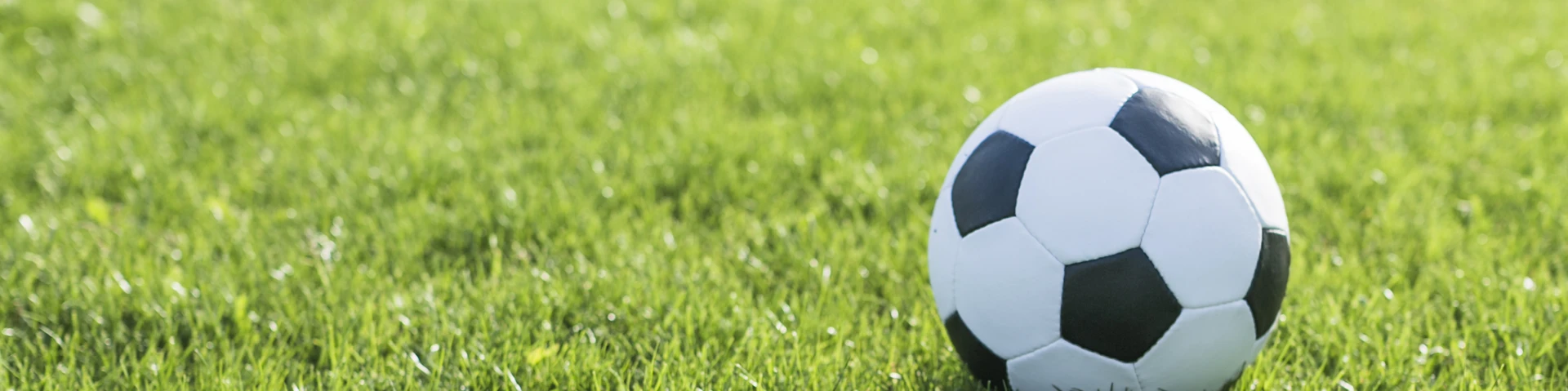
Having spent years in the industrial equipment sector, I’ve come to appreciate the precision behind many seemingly simple products — and soccer balls are no exception. The size 5 soccer ball size is probably the most widely recognized standard, especially for professional matches and players aged 12 and older. But it’s more than just a “number.” It’s a product of careful design, material choice, and rigorous standards that influence play, durability, and even safety.
Oddly enough, the size 5 soccer ball didn’t just appear overnight; it evolved alongside the sport’s growing popularity. When I first started dealing with industrial grade materials years ago, I realized that even the stitching, the bladder quality, and the panel construction all affect performance on different surfaces. For example, I recall a case where a youth league was switching from inferior, cheaper balls to high-end size 5 balls — the difference was like night and day. The ball's flight was steadier, control improved, and frankly, the kids were more motivated to play.
What Exactly Defines a Size 5 Soccer Ball?
In real terms, size 5 soccer balls have specific criteria that govern radius, weight, and pressure. According to FIFA standards — widely adopted around the world — a size 5 ball must:
- Measure between 68 and 70 cm in circumference (roughly 27 to 28 inches)
- Weigh between 410 to 450 grams (about 14 to 16 ounces)
- Hold an internal pressure of approximately 0.6 to 1.1 atmosphere at sea level (8.5 to 15.6 psi)
These parameters ensure the ball is consistent and reliable for professional use and training. I’ve worked alongside product engineers who consider environmental factors during testing — temperature, humidity, surface type. It’s a fascinating process, especially when testing synthetic leather covers that mimic traditional materials but offer increased durability and water resistance.
| Specification | Size 5 Soccer Ball Standard |
|---|---|
| Circumference | 68–70 cm (27–28 in) |
| Weight | 410–450 grams (14–16 oz) |
| Pressure | 0.6–1.1 atm (8.5–15.6 psi) |
| Panel Count | 32 panels typical |
| Material | Synthetic leather or TPU |
Comparing Vendors: Where Should You Buy Your Size 5 Soccer Balls?
Based on my experience and conversations in the industry, quality can vary significantly across suppliers. When choosing, consider durability, material tech, price point, and user feedback. Here’s a quick comparison of three respected vendors:
| Vendor | Durability | Material Quality | Price Range | Customization |
|---|---|---|---|---|
| StarryBalls | High – reinforced stitching & TPU cover | Premium synthetic leather | $$$ | Full custom logos/colors |
| ProKick Sports | Medium – standard stitching | Polyurethane blend | $$ | Limited color options |
| KickMaster | Low – budget construction | PVC cover | $ | No customization |
From a practical perspective, I’ve noticed teams and organizations often weigh these factors differently. Some prioritize cost over durability — that’s understandable during early seasons or school programs. But if you want a ball that won’t prematurely crack or lose air, vendors like StarryBalls are worth the investment.
Remember too, that size 5 balls aren’t just about meeting regulations — they’re designed to feel right underfoot, provide predictable bounce, and hold shape throughout countless plays. When I talk to engineers, they sometimes joke about how many production tweaks go into perfecting something that looks so simple — “a ball is just a ball,” they say, until you get one that consistently outperforms the rest.
In short, whether you’re a coach, a supplier, or a player, knowing the ins and outs of the size 5 soccer ball can help you pick the right ball for your goals. And if you need top-quality and customization, just check out StarryBalls — that’s where the industry minds are heading these days.
One late note: I still remember an amateur team’s delighted reaction when they received customized size 5 balls for their season opener — the smile of pride was worth every penny spent.
So that’s the long and short of it!
References:
- FIFA Quality Programme for Footballs – Overview (fifa.com)
- Industry Interviews, Equipment Specialists, 2015–2023
- Material Science of Sports Balls, Journal of Sports Engineering (2021)