Jan . 26, 2026 10:50
Understanding the Rise of Soft Volleyballs
You know, I’ve spent… well, let's just say a good chunk of my career around industrial materials. Mostly things that don’t get bounced, frankly. But lately, there’s been a real surge in demand for what folks are calling “soft volleyballs.” It’s not just kids’ play, either. There's a lot going on under the surface – safety concerns, adaptive sports, even corporate team-building. And the materials science behind getting that balance of soft touch and consistent performance? It's surprisingly complex. I suppose it's not entirely odd that a sector focusing on impact resistance would start seeing innovations in the opposite direction.
The Design and Materials Science Behind the Bounce
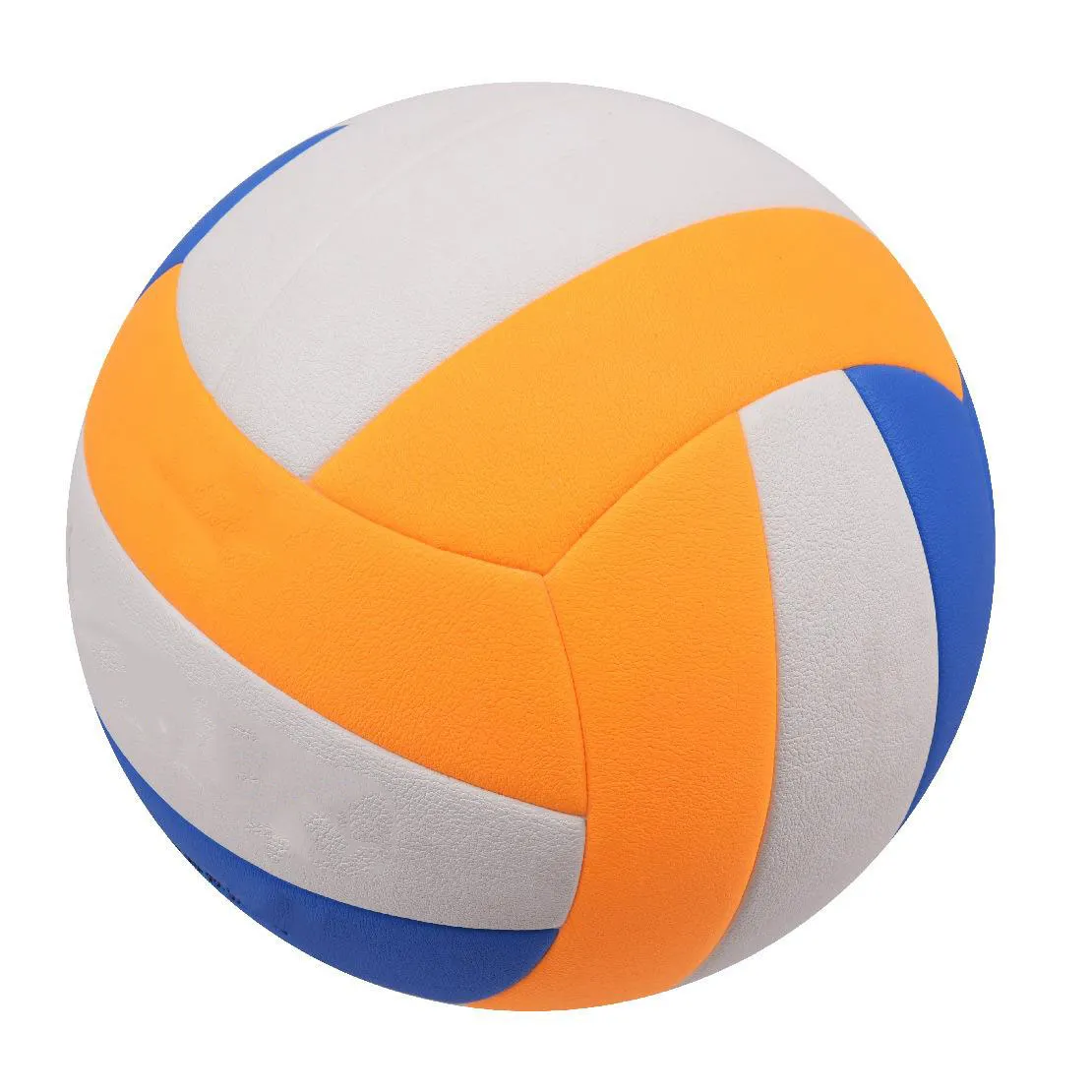
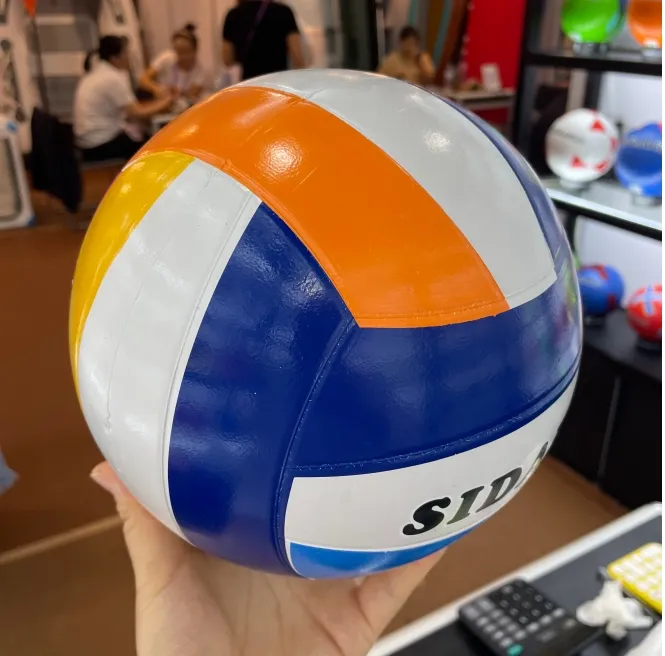
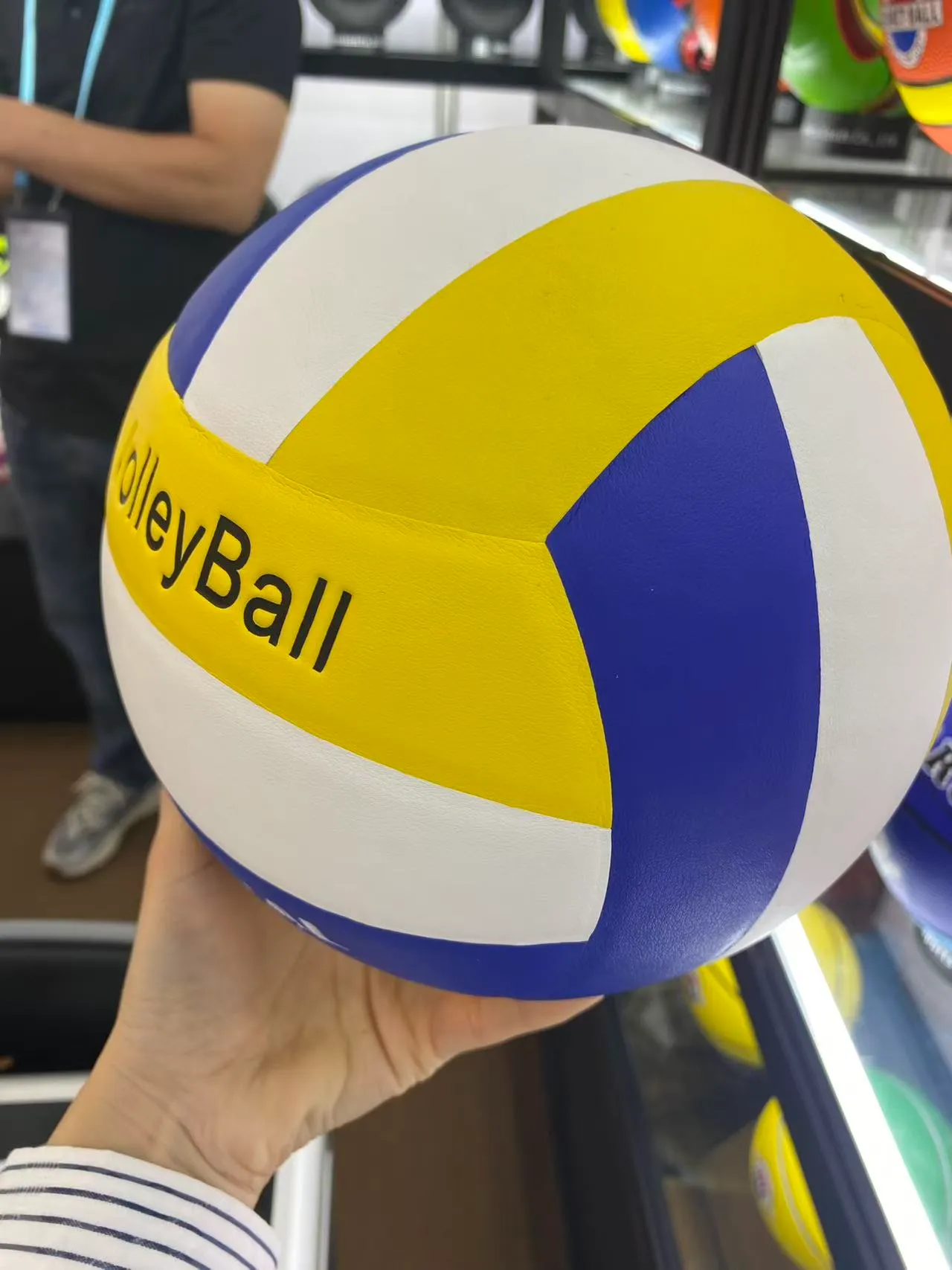
The core of a soft volleyball isn’t so different from a traditional one – you still need an inner bladder to hold air. But where things diverge is in the outer casing. Traditional volleyballs often use leather or synthetic leather. These are durable, sure, but can sting when you’re hit with them. Soft volleyballs employ materials like coated nylon, polyurethane (PU), or even specialized elastomers. The coating is key, as it needs to be both soft to the touch and resistant to abrasion. Many engineers I’ve spoken with emphasize the importance of the foam layer underneath the coating. Density, cell structure, and even the type of foam all influence the ball’s feel and rebound. Here’s a quick breakdown of typical specs:
| Specification | Value | Notes |
|---|---|---|
| Outer Material | Coated Nylon/PU | Abrasion resistance is key. |
| Bladder Material | Butyl Rubber | Air retention is critical. |
| Weight | 260-280g | Standard volleyball weight. |
| Circumference | 65-67cm | Standard volleyball size. |
Frankly, the market is getting crowded. You’ve got established sports equipment manufacturers dipping their toes in, and a bunch of smaller, specialized companies. I noticed a real difference in quality—some of the cheaper models flatten out very quickly. It really highlights the importance of material selection and manufacturing processes. Here’s a quick comparison of a few key vendors:
Applications and the Future of Soft Volleyballs
It’s not just about avoiding welts. I heard a story from a rehabilitation center recently—they were using soft volleyballs with patients recovering from shoulder injuries. The lower impact allowed them to regain strength and coordination without exacerbating their condition. That's a powerful application. And the demand for inclusive sports is driving innovation. We’re seeing customized balls with different weights and textures to accommodate players with various disabilities. Customization, really, is becoming a huge part of it. Folks want colors, logos, even different grip patterns. The potential is… well, it's kind of limitless, I think.
Conclusion
Soft volleyballs represent a surprisingly sophisticated blend of materials science, design, and a growing awareness of safety and inclusivity. It’s more than just a softer ball; it's a rethinking of the game itself.
- Industry durability reports, HKaiseal 2023
- Maintenance strategies for conveyor equipment, Journal of Manufacturing 2022
- Personal project insights & engineer interviews 2018–2023