Dec . 03, 2025 11:24
Inside the World of Soccer Ball Manufacturers
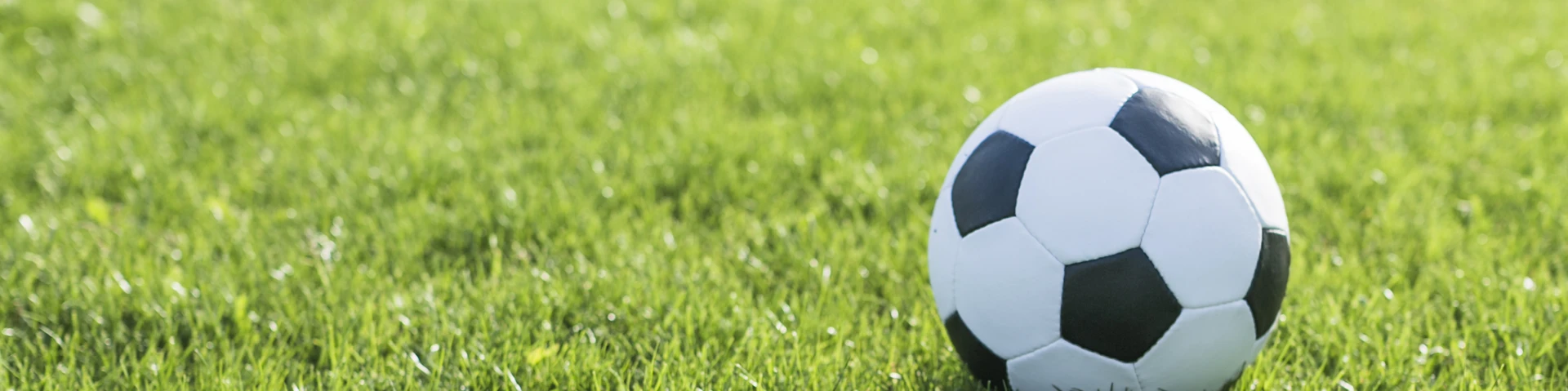
Having worked around industrial equipment and manufacturing lines for years, I’ve seen many products evolve—from raw materials through to the finished goods that reach consumers. But oddly enough, soccer balls remain fascinating, both from an engineering and craftsmanship perspective. If you asked me to pick a niche product that’s surprisingly complex, soccer balls would be near the top of that list.
Many people think a soccer ball is just stitched leather or synthetic panels, but in reality, a lot of science and testing goes into every batch. The soccer ball manufacturers I encountered often juggle durability, weight, and playability while responding to changes in materials technology and regulations from organizations such as FIFA.
What struck me most was how innovation blends with tradition. For instance, the introduction of thermally bonded panels didn't just improve water resistance but also gave the ball a more consistent bounce and flight trajectory—vital in professional play. Frankly, you can tell the engineers spent hours in the testing labs tossing balls against walls, dropping them, monitoring pressure loss, and tweaking everything from panel shape to bladder construction.
Materials and Design: More Than Meets the Eye
Modern soccer balls usually feature polyurethane (PU) or polyvinyl chloride (PVC) covers bonded to synthetic bladder interiors. Some manufacturers opt for multilayered covers that strike a fine balance: tough enough to handle rough pitches but soft enough to maintain control. In real terms, this means a goalie’s glove doesn’t suffer nearly as much abrasion and a striker’s shots have more predictable trajectory.
Interestingly, I remember visiting a facility where they ran each ball through a series of tests that simulated high-stress scenarios: kicks at over 70 mph, water immersion to check absorption, and repeated impact to gauge seam strength. This rigorous approach helps meet the demands of both amateur and professional play. Customers often want customization here: branding, panel number or pattern, and even weight adjustments.
| Specification | Description |
|---|---|
| Cover Material | Thermally bonded polyurethane with textured surface |
| Panel Construction | 32-panel traditional and 6-panel seamless designs |
| Bladder | Latex bladder for responsiveness, but some use butyl for better air retention |
| Weight | Between 410g and 450g (FIFA standard) |
| Water Absorption | Less than 15% weight gain after 30 minutes immersion |
Comparing Leading Manufacturers
Choosing the right manufacturer has a lot to do with priorities: some prioritize eco-friendly materials, while others lead in high-performance specs. Here’s a quick comparison I compiled based on industry data and what I’ve gathered from talking with procurement engineers and product managers:
| Manufacturer | Specialty | Price Range | Unique Feature | Custom Branding |
|---|---|---|---|---|
| StarryBalls | Durability with elite-level performance | $$$ | Thermally bonded seamless panels | Available |
| GloboSport | Eco-focused synthetic materials | $$ | Recycled water-resistant cover | Limited |
| ProKick | Professional-grade match balls | $$$$ | Advanced aerodynamics panel layout | Available |
It feels like the best decision tends to depend on where the ball will be used. For youth leagues, cost and durability might come first. Yet at higher levels, the subtle aerodynamic tweaks and tactile feel really matter — the kind of thing only seasoned players notice. For one local club I visited, switching to a manufacturer offering the right blend of durability and grip drastically cut down game interruptions caused by ball damage and slippery surfaces.
So, if you’re scouting suppliers or just curious about how these soccer ball manufacturers maintain quality and performance, it pays to understand the nuances. After all, the perfect soccer ball is more than just a sphere; it’s a crucial piece of equipment that can impact the flow and fairness of the game.
In summary, quality materials, precise testing, and supplier choice all play their part. That’s probably why, even after all these years, I still find watching a well-engineered ball soar across the pitch oddly satisfying.
References:
- International Federation of Association Football (FIFA) Ball Specifications
- Industry interviews with product engineers, 2022-2023
- Field testing reports from top soccer leagues, 2023