Jan . 30, 2026 14:55
Understanding the Official Size of a Volleyball Ball
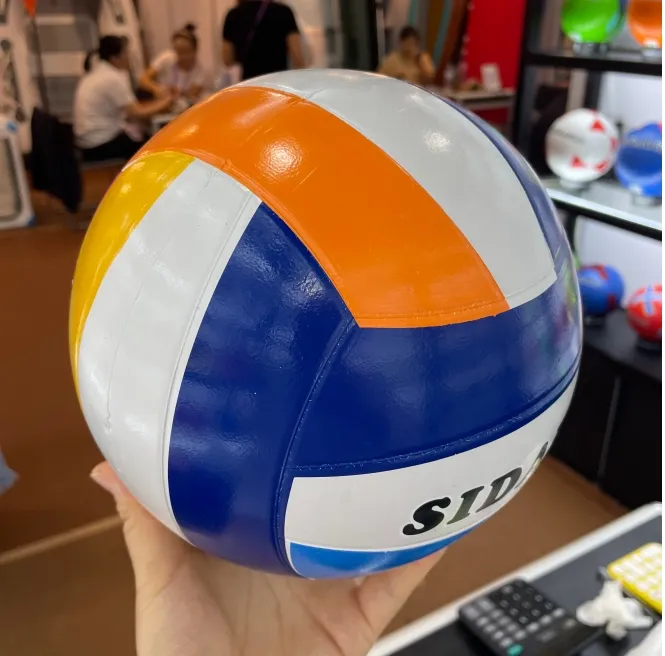
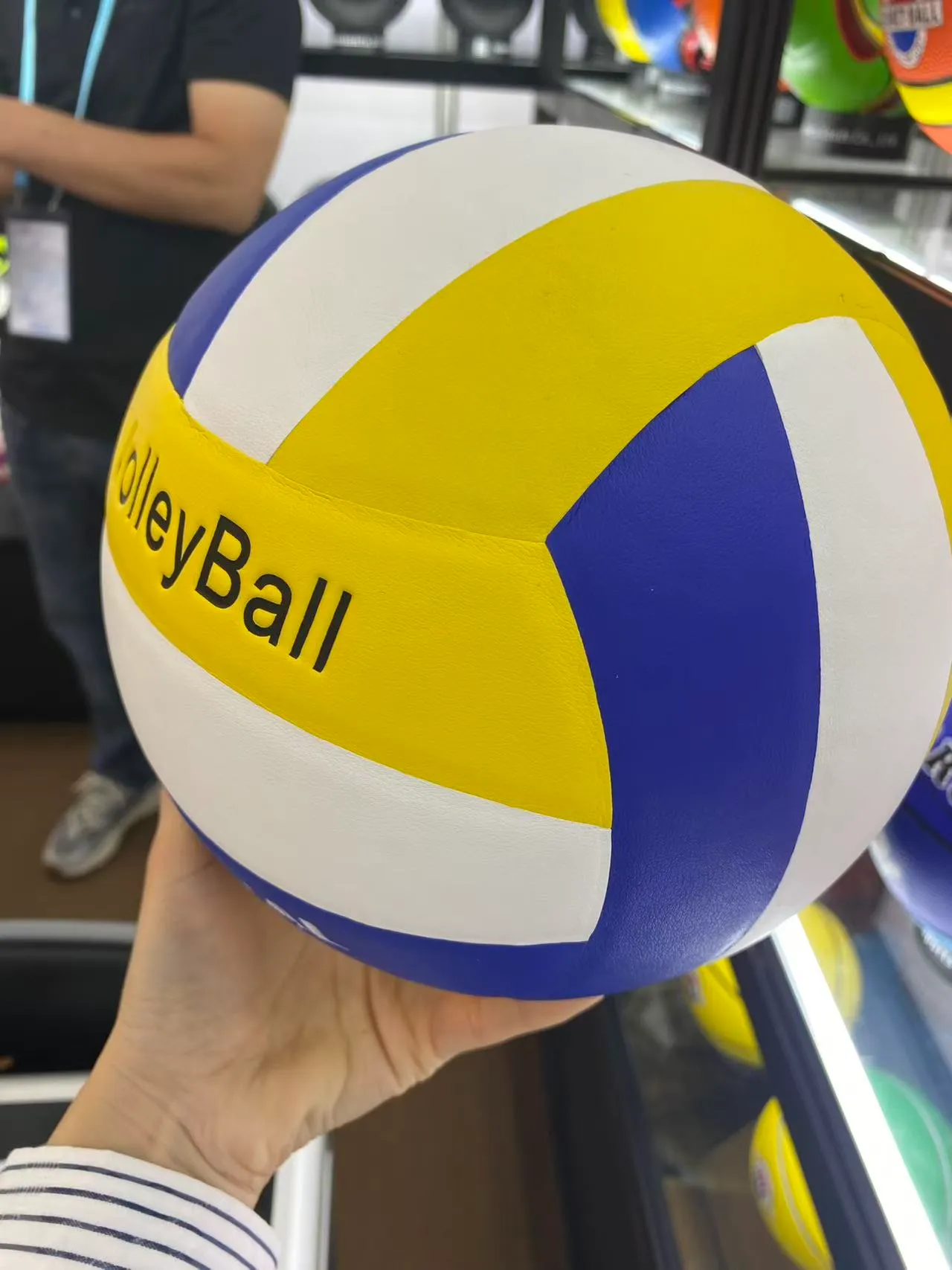
Choosing the right volleyball is crucial for optimal gameplay and enjoyment. A key factor is ensuring the ball conforms to official size and weight regulations. This article will provide a comprehensive guide to the official size of volleyball balls, covering different age groups and levels of play. Understanding these specifications, which are governed by organizations like FIVB, ensures fair and consistent play, whether you're a seasoned professional or a recreational player. We’ll delve into the nuances of each size, how they impact performance, and where to find the perfect ball for your needs.
FIVB Official Volleyball Sizes & Specifications
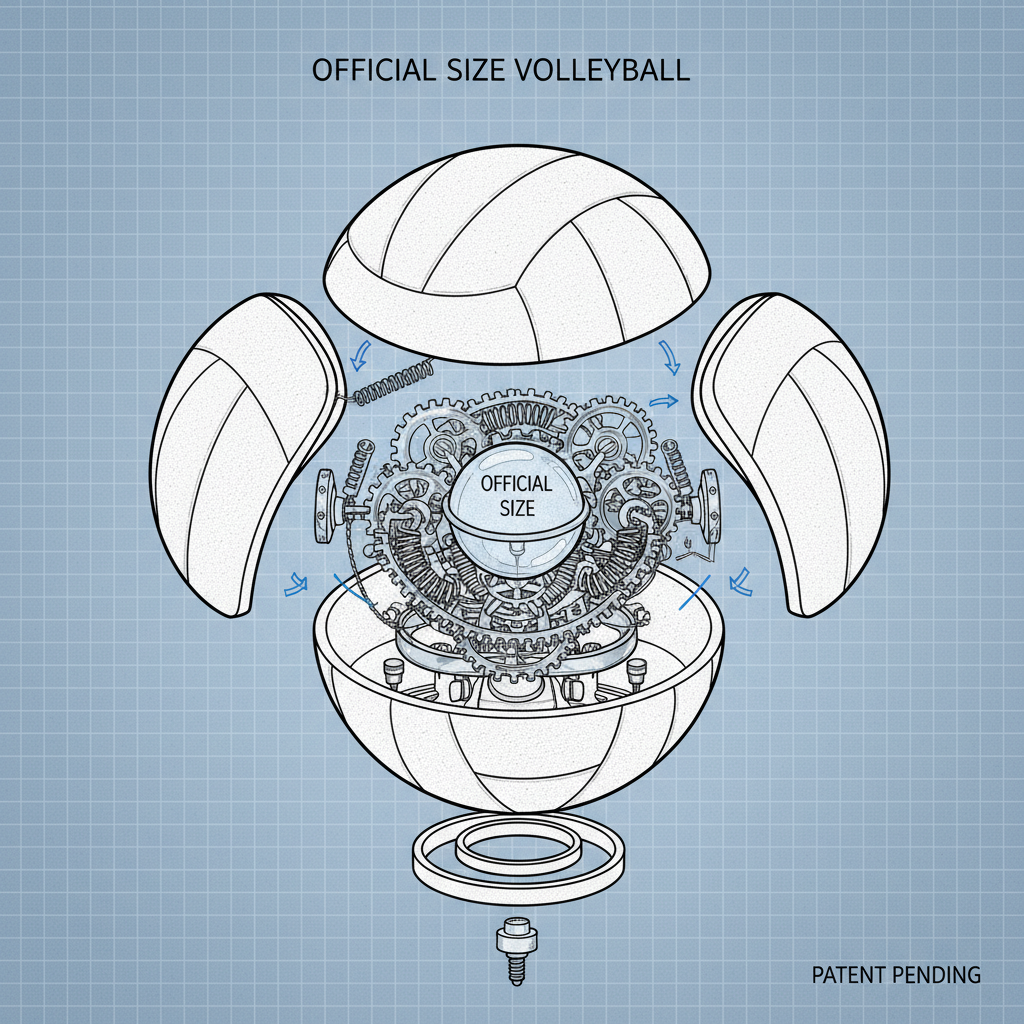
The Fédération Internationale de Volleyball (FIVB), the international governing body for volleyball, sets the standards for official volleyball sizes and weights. These standards differentiate balls based on age and gender, ensuring appropriate play for all. The most common sizes are size 5, used for men's and women's competition, and size 4, commonly used for junior players. The official weight of a volleyball typically ranges between 260-280 grams (9.2-9.9 ounces). Understanding these specifications helps guarantee fair play and allows players to optimize their performance. You can explore a full range of official volleyballs at Starry Balls.
Key Takeaway: The FIVB regulations ensure a standardized playing experience across all levels of competition. Adhering to these standards is vital for official tournaments and competitive play.
Volleyball Size Breakdown by Age & Gender
Selecting the right volleyball size isn't just about following rules – it's about fostering skill development and ensuring a comfortable playing experience. Here’s a breakdown of the recommended sizes based on age and gender. Younger players benefit from using smaller, lighter balls, making it easier to control and develop fundamental skills. As players progress, transitioning to larger, heavier balls builds strength and refines technique. Proper size selection encourages participation and enhances enjoyment of the sport.
Size 5 vs Size 4 Volleyball: A Visual Comparison
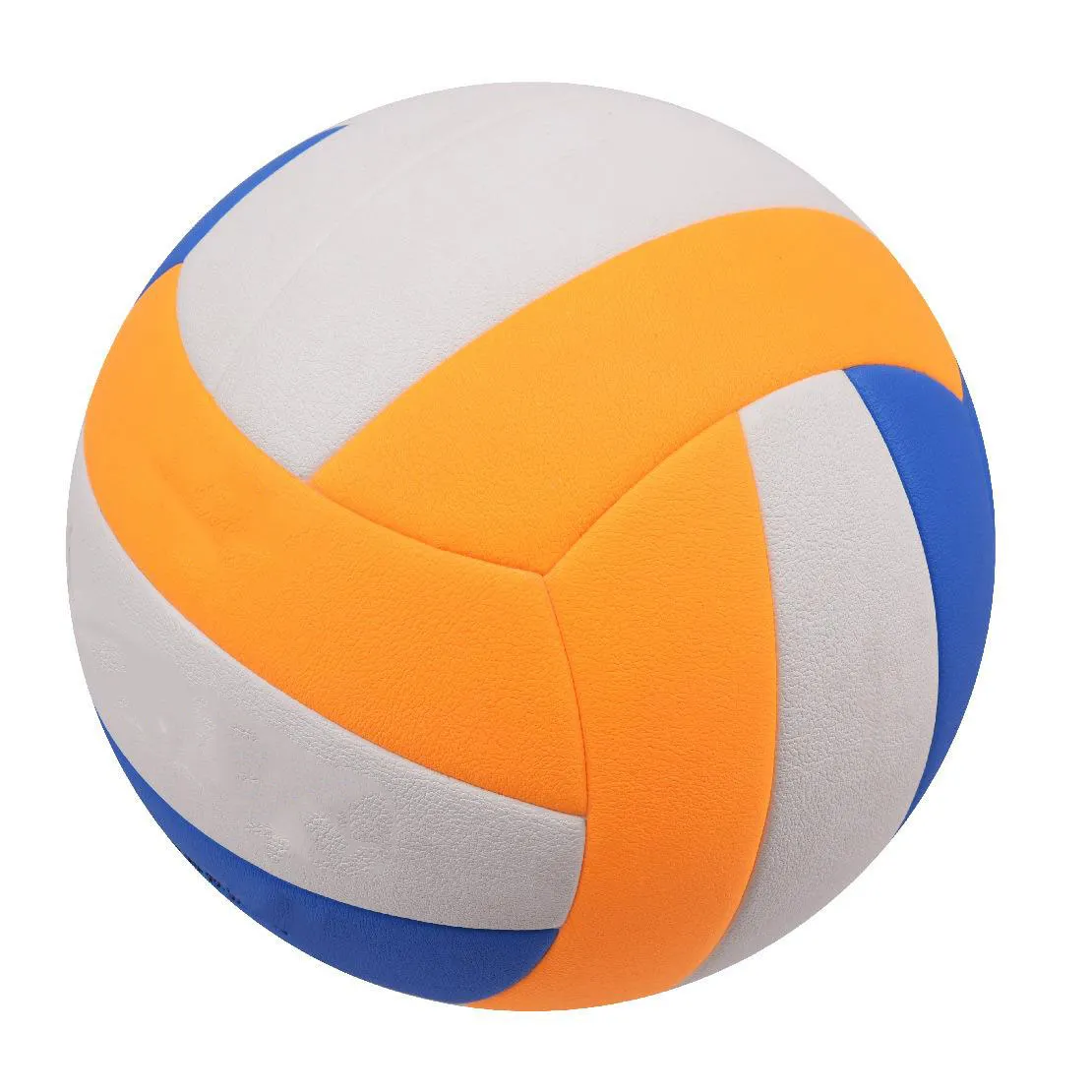
The most significant difference between size 5 and size 4 volleyballs lies in their dimensions and weight. Size 5, the official size for men’s and women's competitive play, is larger and heavier than size 4. This impacts the ball's speed, trajectory, and the force required to handle it effectively. Size 4 is generally easier for younger players or those with less developed strength to control. The image below provides a visual comparison to highlight these differences. Choosing the right size enhances player performance and promotes skill development.
Choosing the Right Volleyball: Material and Construction
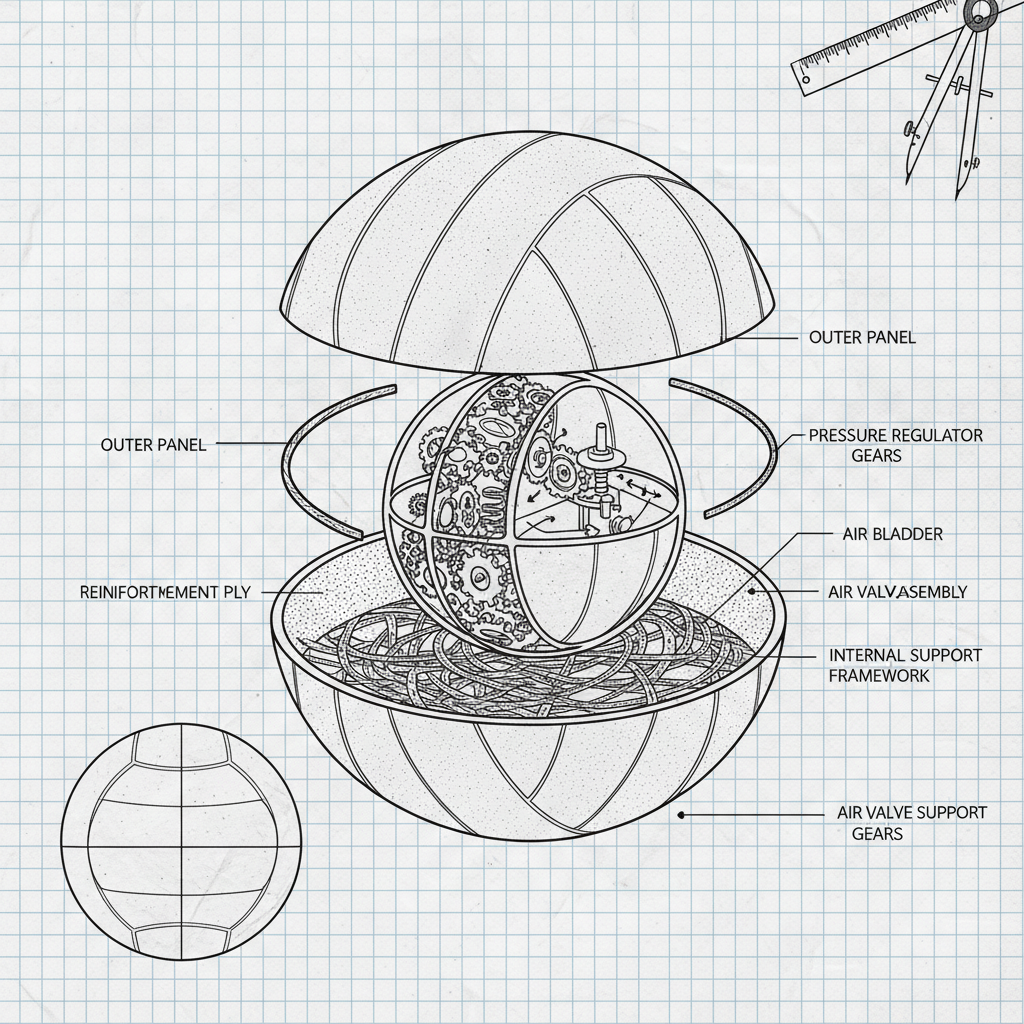
Beyond size and weight, the material and construction of a volleyball significantly impact its performance and durability. Common materials include leather, synthetic leather, and microfiber. Leather volleyballs offer excellent grip and feel but require more maintenance. Synthetic leather provides a balance of durability, grip, and affordability. Microfiber offers a soft touch and enhanced moisture resistance. The construction also matters – look for volleyballs with multi-layered linings and reinforced seams for enhanced longevity. Starry Balls offers a diverse range of volleyballs to suit every player's preference and budget.
Conclusion: Selecting the Ideal Volleyball for Performance
Understanding the official size of volleyball balls, along with material and construction considerations, is essential for maximizing your game. Whether you’re a beginner or a seasoned pro, choosing a ball that matches your age, skill level, and playing environment will enhance your performance and enjoyment. Invest in quality – a well-chosen volleyball will provide years of reliable use and contribute to a more fulfilling playing experience.
Frequently Asked Questions (FAQs)
What's the difference between a recreational and an official volleyball?
Recreational volleyballs are often made with softer materials and may not adhere strictly to official size and weight regulations. They prioritize comfort and are designed for casual play. Official volleyballs, on the other hand, meet stringent FIVB standards, ensuring consistent bounce, flight characteristics, and durability for competitive matches. Official balls typically have a tighter seam and a more durable outer layer.
How do I properly inflate a volleyball?
Proper inflation is crucial for optimal performance. Most volleyballs require between 4.3 and 4.6 PSI (pounds per square inch). Using a ball pump with a pressure gauge is recommended to ensure accurate inflation. Overinflating can make the ball too hard and affect its bounce, while underinflating can make it feel sluggish. Regularly check the inflation level, especially before each game or practice.
Can I use a size 5 volleyball for younger players?
It’s generally not recommended to use a size 5 volleyball for younger players. The larger size and heavier weight can be difficult for them to control, potentially hindering skill development and enjoyment. Size 4 volleyballs are specifically designed for younger players, offering a more manageable size and weight that promotes proper technique and confidence.
What is the best way to care for a volleyball to prolong its lifespan?
To prolong the lifespan of your volleyball, store it in a cool, dry place away from direct sunlight and extreme temperatures. Wipe it clean after each use to remove dirt and sweat. Avoid storing it in a car or other enclosed space where temperatures can fluctuate. Regularly inspect the ball for damage, such as cracks or leaks, and replace it if necessary.