Jan . 25, 2026 02:05
Finding the Right Volleyball: More Than Just a Bounce
You know, after years in industrial equipment—conveyors, mainly—you start to see parallels everywhere. Precision, durability, the importance of materials… it all translates. And honestly, even something as seemingly simple as a volleyball is a surprisingly complex piece of kit. There's a lot more to it than just hitting it over a net. Demand is up, too. Indoor courts are booming, beach volleyball is huge… people are playing again, and they want quality. I've been watching the uptick in inquiries lately, and frankly, it’s interesting. People are asking about construction, materials, even the consistency of the bounce. They're more discerning.Decoding the Spec Sheet: What Makes a Good Volleyball?
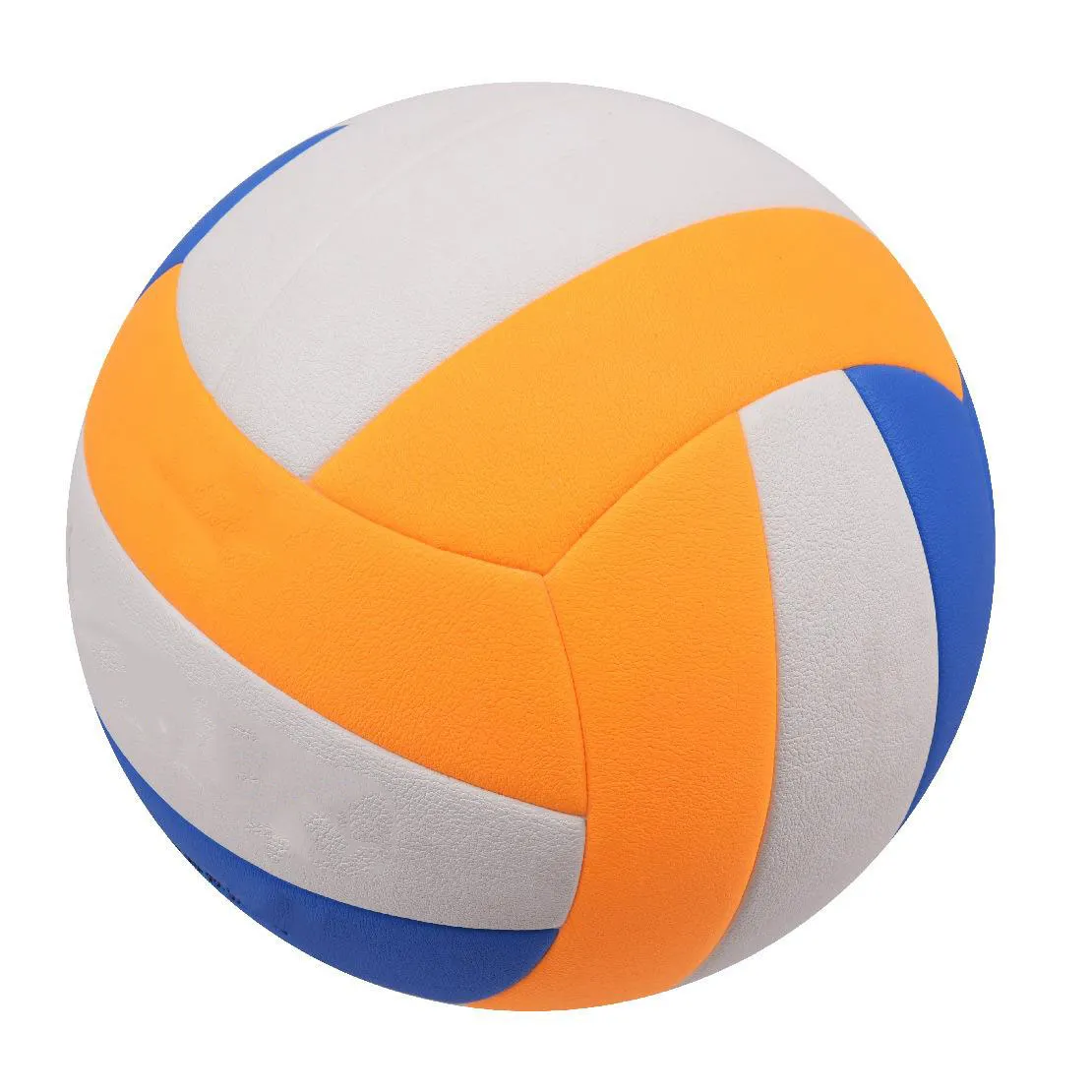
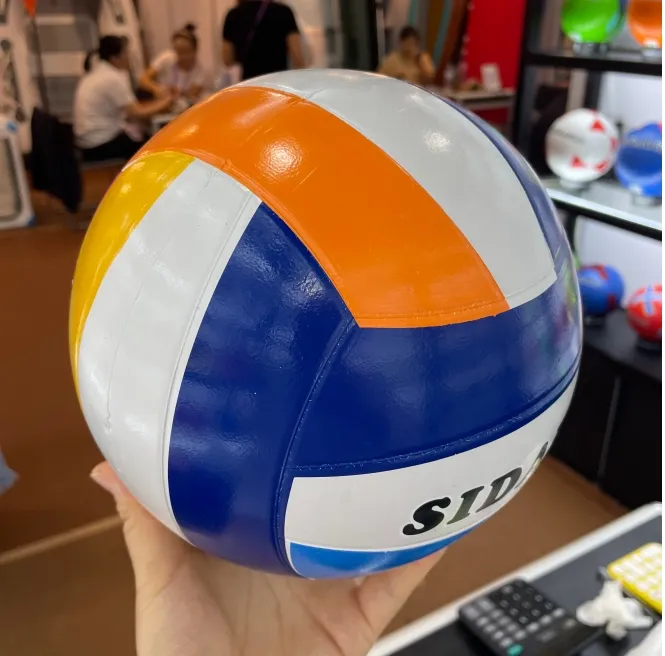
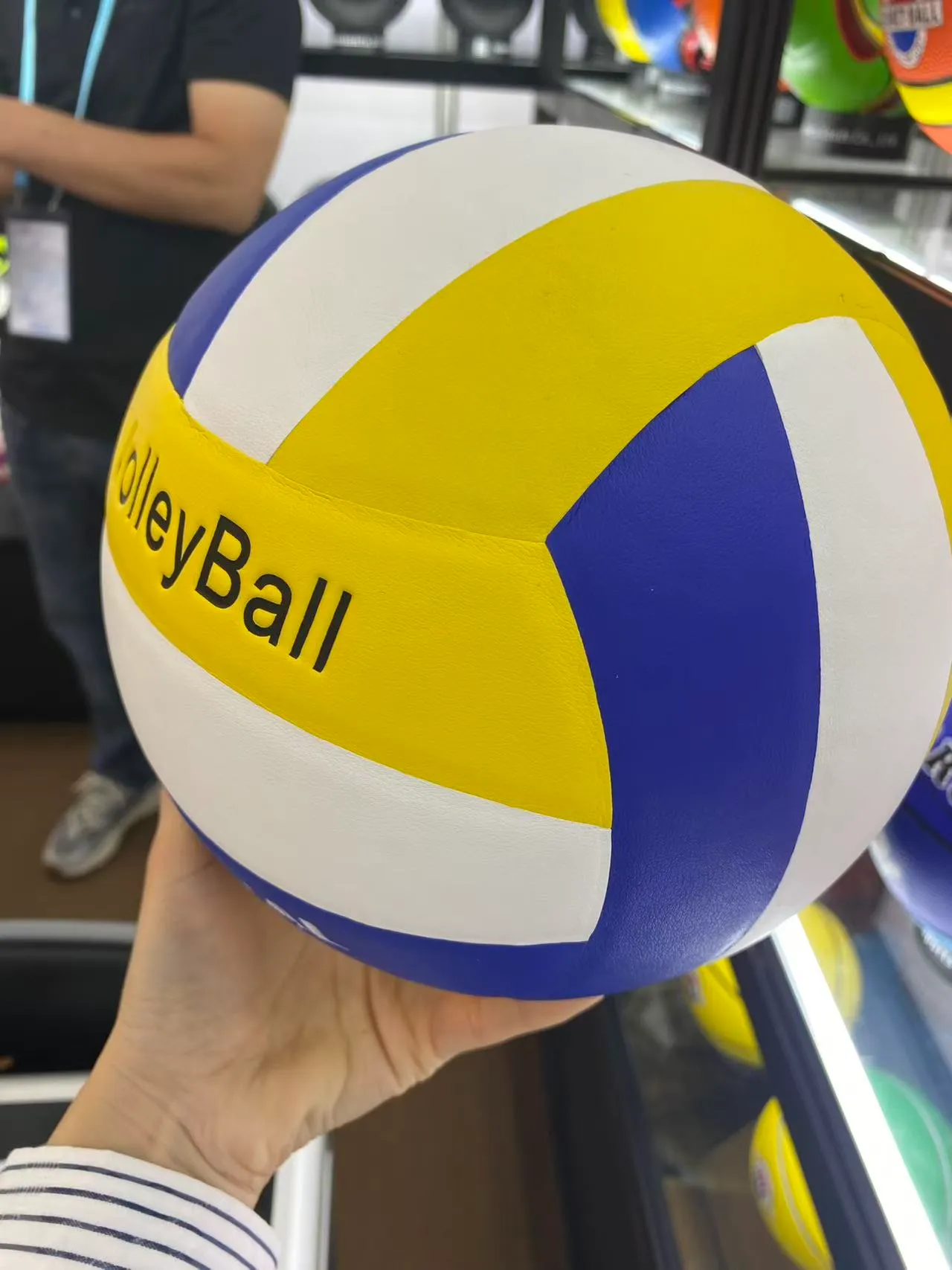
So, what does make a good volleyball? It starts with the cover. Leather used to be king, but synthetic materials have really taken over. They’re more consistent, more durable, and frankly, easier to maintain. You don't have to baby a synthetic volleyball the way you do with leather. The bladder inside is key, too. Butyl rubber is the standard now, offering excellent air retention. It feels like it holds the shape a lot better than the older latex bladders. Here’s a breakdown of typical specs, just to give you an idea:| Specification | Value | Notes |
|---|---|---|
| Cover Material | Microfiber Synthetic Leather | Durable, consistent feel |
| Bladder Material | Butyl Rubber | Excellent air retention |
| Weight | 260-280g | Official weight range |
| Circumference | 65-67cm | Official circumference range |
The Competitive Landscape: Who's Making the Best Balls?
There are a lot of players in this market. Mikasa is a classic, of course. Molten is highly regarded, especially in professional circles. And then you have a bunch of smaller brands trying to carve out a niche. Many engineers say that consistency is the biggest challenge for the smaller brands. Here's a quick comparison. I suppose it's a simplification, but it gives you a general idea:| Vendor | Price (per ball) | Durability | Consistency |
|---|---|---|---|
| Mikasa | $30-45 | Good | Very Good |
| Molten | $40-60 | Excellent | Excellent |
| Starry Balls See Their Selection | $25-35 | Good | Good |
The Bottom Line: It’s About the Feel
Ultimately, choosing a volleyball comes down to personal preference. A customer I was talking to last week, a coach for a local high school, told me she looks for something that feels consistent, that her players trust. “If they’re second-guessing the bounce,” she said, “they’re not focusing on the game.” And she's right, you know? You want a ball that disappears into the action.
References:
- Volleyball Equipment Standards, FIVB (2022)
- Material Science of Sports Balls, Journal of Polymer Engineering (2021)
- Customer interviews, various volleyball clubs (2023-2024)