Feb . 24, 2026 11:10
Choosing the Right Synthetic Leather Volleyball: A Comprehensive Guide
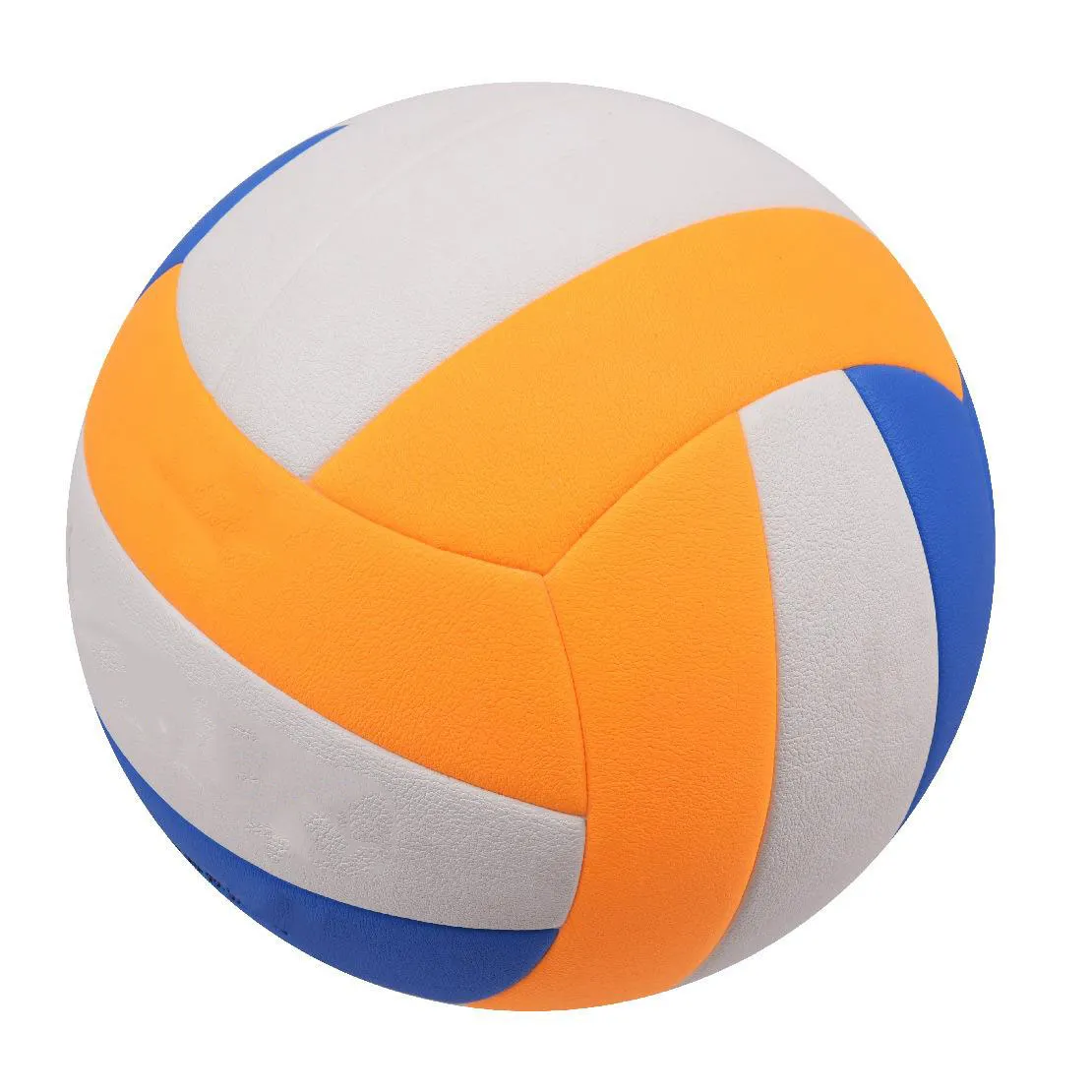
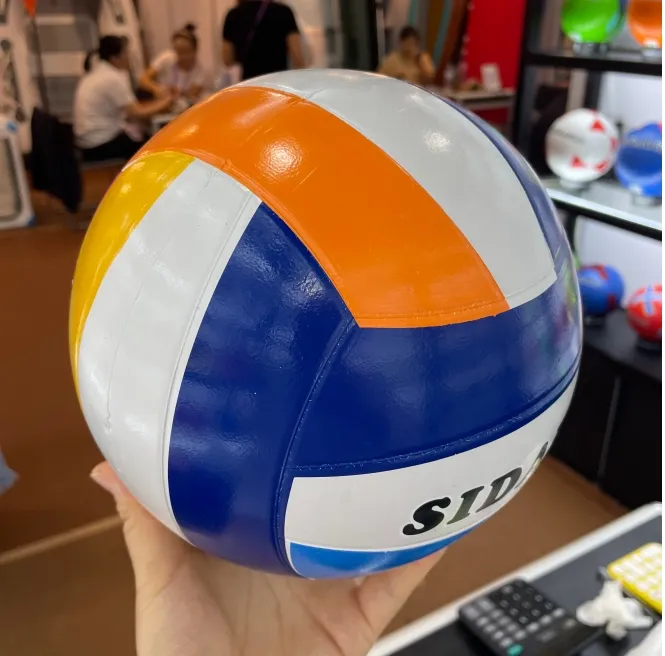
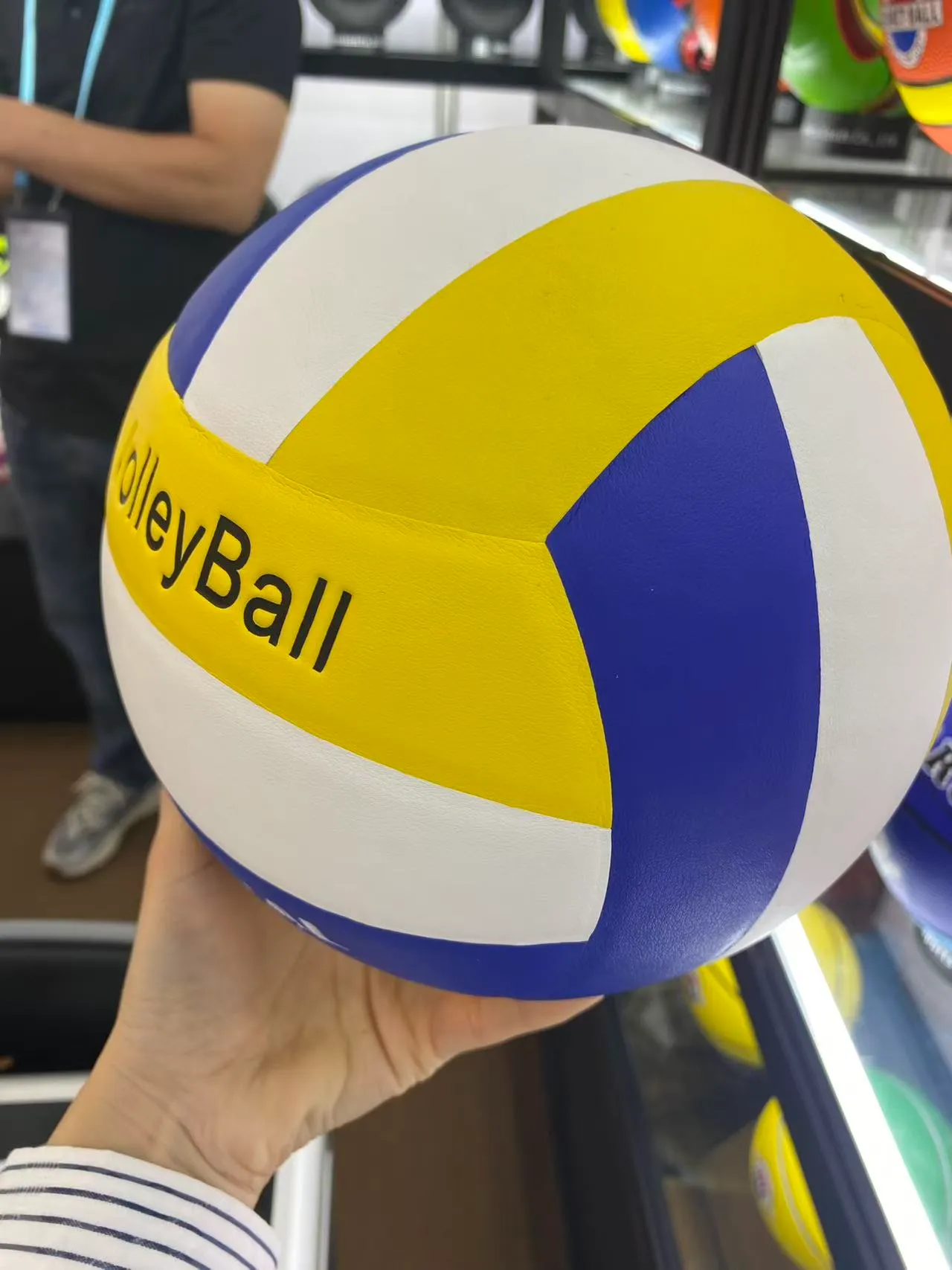
Selecting the ideal volleyball for your team or personal use requires careful consideration, particularly when exploring options like synthetic leather volleyballs. These volleyballs offer a compelling blend of durability, affordability, and performance. This article delves into the benefits of synthetic leather volleyballs, key features to look for, and how to choose the best one for your specific needs. We'll cover everything from construction materials to playing environment considerations, ensuring you make an informed decision.
Understanding Synthetic Leather Volleyballs
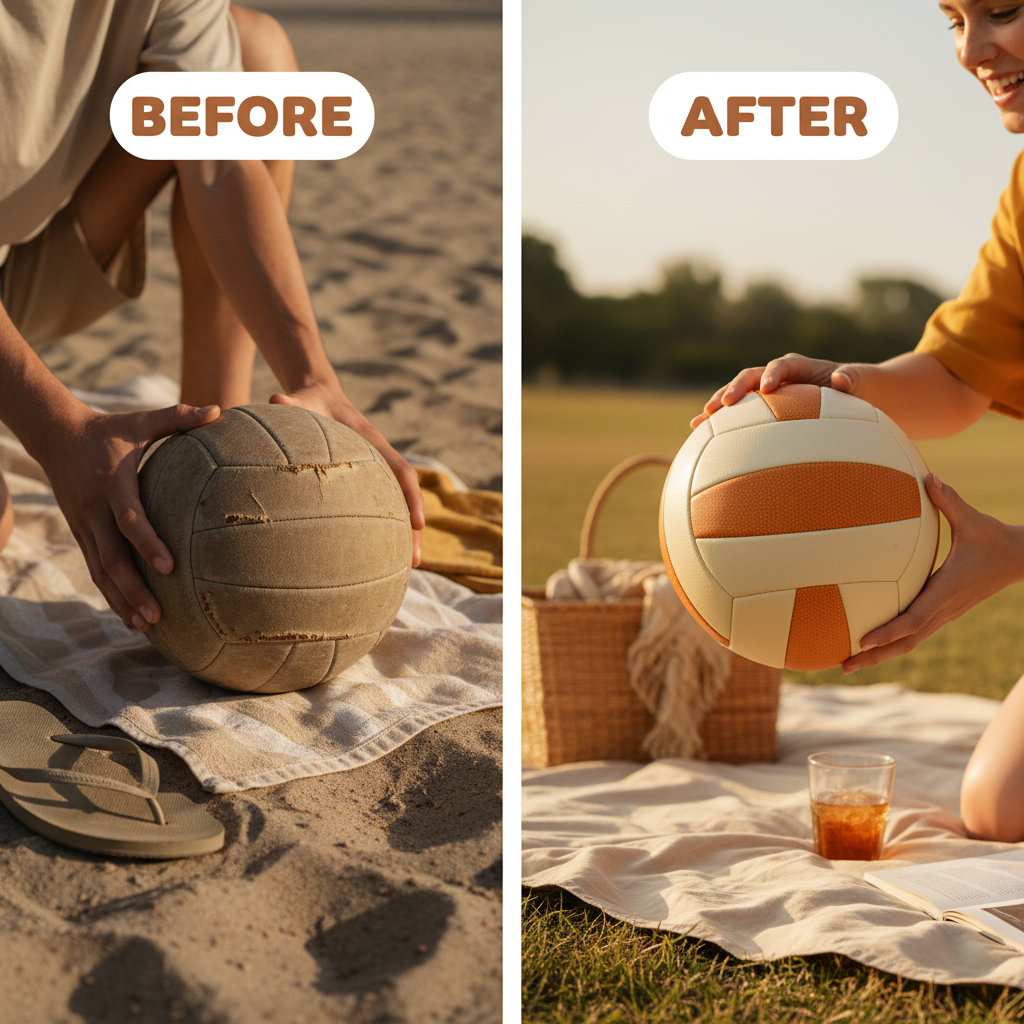
Synthetic leather, often made from polyurethane (PU) or polyvinyl chloride (PVC), is a popular alternative to genuine leather in volleyball construction. It offers excellent abrasion resistance, meaning it can withstand the rigorous demands of gameplay without easily wearing down. Synthetic leather volleyballs generally require less maintenance than leather options, as they aren't susceptible to drying out or cracking. They are also more affordable, making them accessible to a wider range of players and teams. The feel of a synthetic leather volleyball has become increasingly similar to genuine leather in recent years, with advancements in material technology providing better grip and control.
Key Benefits: Excellent abrasion resistance, reduced maintenance, affordability, and improved grip.
Key Features to Look for in a Synthetic Leather Volleyball
When choosing a synthetic leather volleyball, several key features will impact its performance and longevity. The construction method is crucial; machine-stitched volleyballs are typically more affordable but less durable than hand-stitched ones. The bladder plays a significant role in maintaining shape and bounce – butyl bladders are known for superior air retention. Panel design also affects the ball's flight characteristics; more panels generally create a rounder shape for consistent play. Lastly, consider the surface the ball will be used on – indoor volleyballs have a softer touch, while outdoor volleyballs are built to withstand harsher conditions.
Important Considerations:
• Construction Method (Machine vs. Hand Stitched)
• Bladder Type (Butyl vs. Latex)
• Panel Design (Number of Panels)
• Playing Surface (Indoor vs. Outdoor)
Synthetic vs. Genuine Leather Volleyballs: A Detailed Comparison
While both synthetic and genuine leather volleyballs offer excellent performance, they cater to different needs and preferences. Genuine leather provides a superior feel and control, often preferred by professional players. However, it requires more maintenance and is significantly more expensive. Synthetic leather offers a cost-effective and durable alternative, making it ideal for recreational players, schools, and teams on a budget. The moisture resistance of synthetic leather is also a notable advantage, particularly for outdoor play. Starryballs provides options in both materials to cater to various playing levels.
Choosing the Right Volleyball for Your Playing Environment
The environment where you'll be using the volleyball significantly influences the best choice. Indoor volleyballs are typically softer and designed for optimal grip on polished surfaces. Outdoor volleyballs, conversely, feature more durable covers and often have a slightly rougher texture to provide better control in outdoor conditions. Starryballs offers specific volleyballs designed for both indoor and outdoor use, taking these factors into consideration. Consider the climate as well; if you live in a humid area, a synthetic leather ball with good moisture resistance is crucial.
Product Spotlight: Starryballs Synthetic Leather Volleyballs
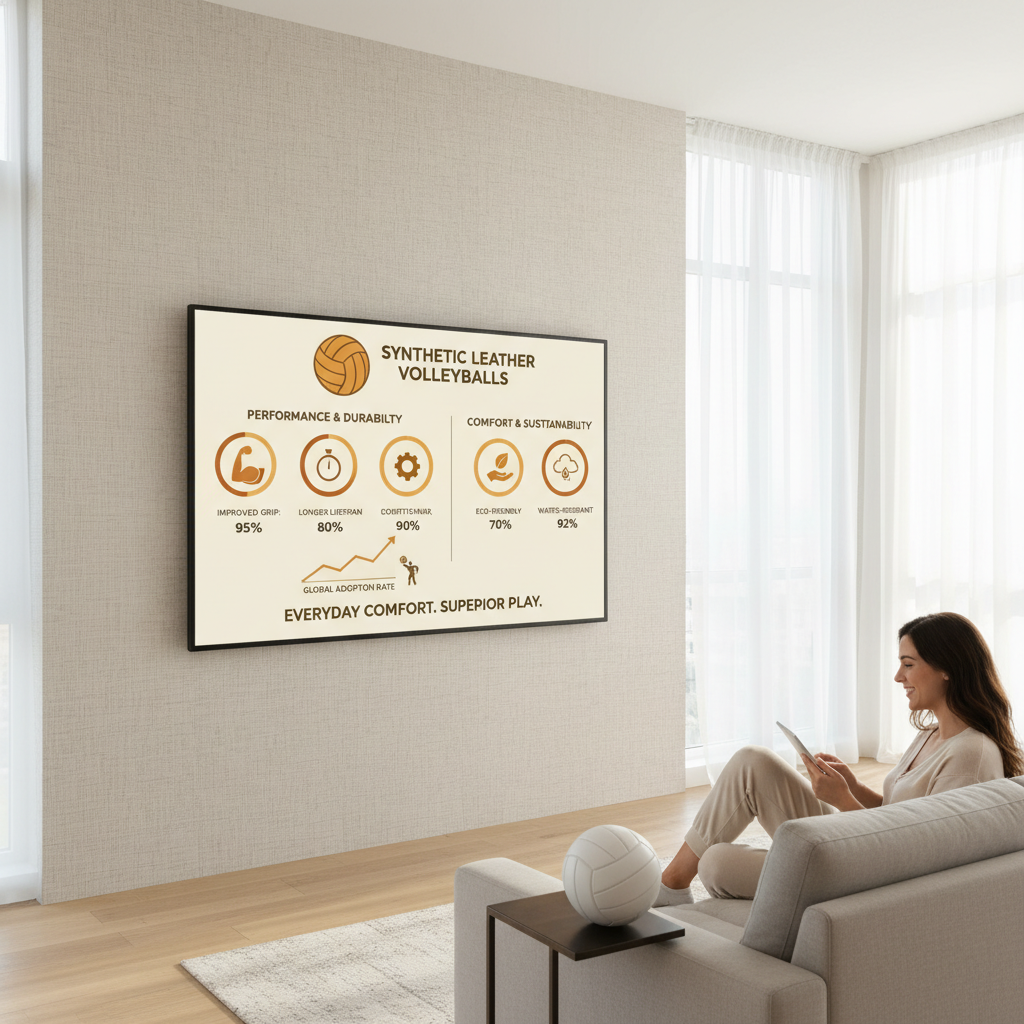
At Starryballs, we pride ourselves on offering high-quality synthetic leather volleyballs designed to meet the needs of players of all levels. Our volleyballs feature durable PU construction, butyl bladders for superior air retention, and a carefully designed panel structure for consistent flight. We provide a range of sizes and colors to suit your preferences.
Conclusion: Elevate Your Game with Starryballs
Choosing the right synthetic leather volleyball can significantly enhance your gameplay experience. Starryballs offers a diverse selection of high-quality volleyballs designed to meet the needs of players at all levels. Explore our range today and find the perfect volleyball to elevate your game!
Frequently Asked Questions (FAQs)
How do I care for my synthetic leather volleyball?
To prolong the life of your synthetic leather volleyball, wipe it down with a damp cloth after each use to remove dirt and sweat. Avoid exposing it to extreme temperatures or harsh chemicals. Store the ball in a cool, dry place away from direct sunlight. Regularly check the air pressure and inflate as needed to maintain optimal performance. Proper care will ensure your volleyball remains in excellent condition for longer.
What size volleyball should I choose?
The standard size for adult volleyballs is Size 5, with a circumference of 65-67 cm and a weight of 260-280 grams. For younger players, smaller sizes are available. Size 4 (63.5-65 cm circumference) is often used for juniors, and Size 3 (61-63 cm circumference) is suitable for younger children. Choosing the correct size ensures optimal control and enjoyment.
What is the difference between a machine-stitched and hand-stitched volleyball?
Machine-stitched volleyballs are typically more affordable and suitable for recreational play. However, the seams are less durable and may be more prone to separation over time. Hand-stitched volleyballs offer superior durability and a more consistent shape. The tighter stitching creates a more robust seam that can withstand rigorous gameplay. They are often preferred by competitive players.