Jan . 25, 2026 02:05
Understanding the Different Types Of Volleyball
Okay, so volleyballs. It seems simple, right? But honestly, the deeper you go, the more nuanced it gets. We're talking about a multi-million dollar industry supplying everything from beach tournaments to school gyms, and the 'right' ball depends so much on the context. At Starry Balls, we’ve been supplying professional and recreational volleyballs for a while now – and you quickly learn that there's a huge difference between what a recreational player needs and what a pro demands. It's about more than just bounce, you know?
Table of Contents
- Types Of Volleyball Overview
- Benefits & Use Cases of Types Of Volleyball
- Cost, Maintenance & User Experience
- Sustainability & Market Trends
Types Of Volleyball Overview
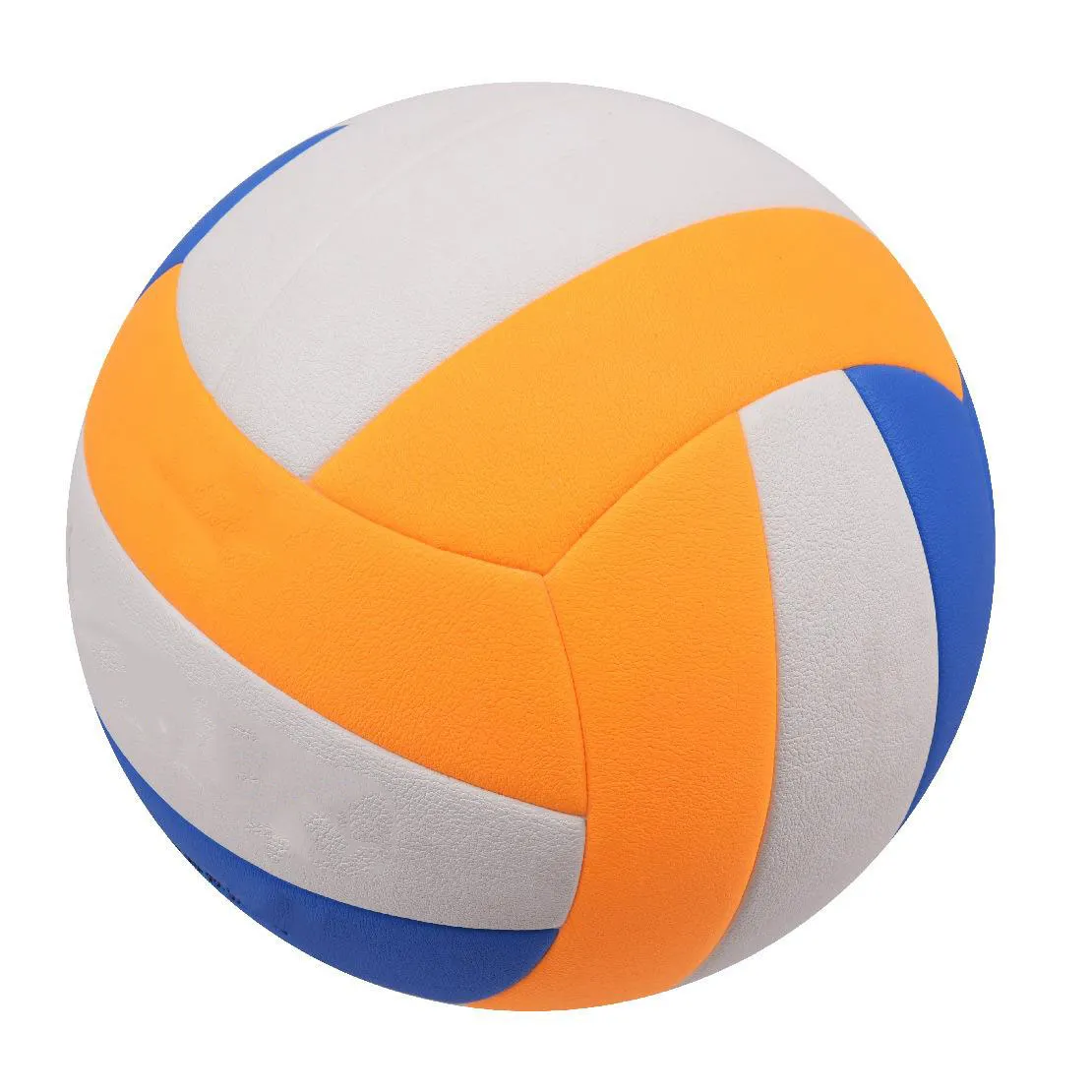
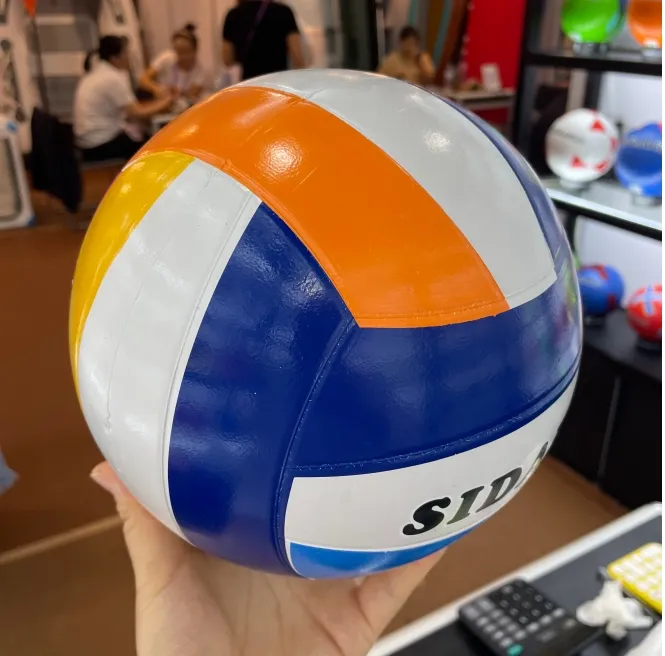
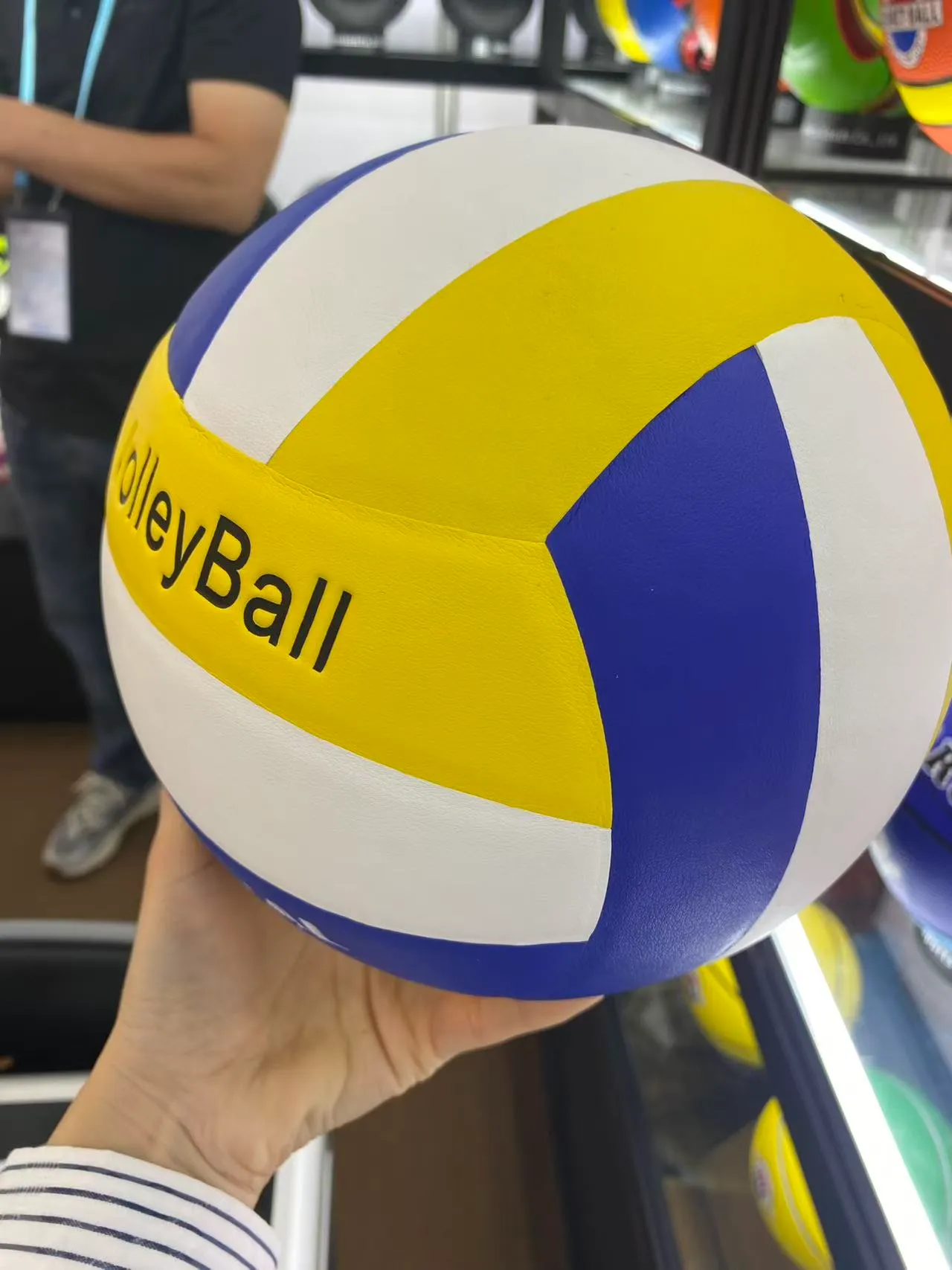
Essentially, you have indoor, outdoor (beach), and recreational volleyballs. Indoor balls are typically made with a softer leather or synthetic leather cover and a butyl rubber bladder – they need to be light and responsive for quick movements. Beach volleyballs, on the other hand, are built to withstand the elements, meaning more durable synthetic covers and often a slightly different internal pressure. Recreational balls are... well, they're the workhorses, often made with machine-stitched panels and a focus on affordability. The construction really dictates performance. We specialize in high-quality synthetic leather indoor balls, offering a balance of feel and durability, but we also have a strong line of waterproof beach models. Here's a quick look at the specs of our Pro Indoor model:
| Specification | Value | Details |
|---|---|---|
| Cover Material | Premium Microfiber Synthetic Leather | Soft touch, excellent durability |
| Bladder | Butyl Rubber | Superior air retention |
| Panel Construction | 18-Panel Machine Stitched | Consistent shape and flight |
| Weight | 260-280g | Official weight |
Benefits & Use Cases of Types Of Volleyball
Frankly, the benefits boil down to performance and longevity. A well-made volleyball translates directly into a better game. Consistent bounce, accurate flight – those are crucial. For professional leagues, obviously, it’s about maintaining a standardized playing experience. But even at the collegiate or high school level, investing in quality pays off. We've seen teams reduce ball replacement frequency significantly just by switching to a more durable model. We work with a lot of universities and club teams, and they all say the same thing: the players notice the difference. They feel more confident. One smaller story: a local high school coach told me that switching to our beach balls reduced blisters on their players’ hands during outdoor practices – seemingly small, but a huge win for player comfort.
Cost, Maintenance & User Experience
Cost is always a consideration, of course. Our balls aren’t the cheapest on the market, but I suppose you get what you pay for. We focus on value – durability minimizes replacement costs over time. Maintenance is pretty straightforward: keep them clean, store them properly (away from extreme temperatures and direct sunlight), and inflate them to the correct pressure. We offer a pump and needle kit as an add-on. User feedback has been consistently positive, especially regarding the grip and feel. Here’s a quick comparison of how we stack up against some of the competition:
| Vendor | Price Point | Durability | Material Quality |
|---|---|---|---|
| Starry Balls | Mid-Range | Excellent | Premium Synthetic Leather |
| Molten | High-End | Very Good | Genuine Leather |
| Mikasa | Mid-Range | Good | Synthetic Leather |
| Spalding | Low-End | Fair | Basic Synthetic |
Sustainability & Market Trends
Oddly enough, sustainability is becoming a bigger talking point. Consumers are increasingly aware of the environmental impact of their purchases. We're exploring more eco-friendly materials – recycled synthetic leathers, for example – and optimizing our manufacturing processes to reduce waste. The market is also seeing a rise in personalized volleyballs, driven by team branding and individual preferences. That’s an area we're looking into expanding. Overall, it feels like the industry is moving towards higher-quality, more durable, and more sustainable products… which, frankly, is a good thing.
Frequently Asked Questions about Types Of Volleyball
- What is Types Of Volleyball and how does it work?
- Types of volleyball refer to the different variations of the game, categorized by the surface they're played on (indoor, beach, grass) and the specific rules governing each. Each type requires a specialized ball designed for optimal performance on that surface.
- What are the main benefits of using Types Of Volleyball in industrial applications?
- While not directly 'industrial', the benefits extend to sports facilities, schools, and recreational centers. Durable, high-performance balls reduce replacement costs, improve player experience, and enhance game quality.
- How does Types Of Volleyball compare to traditional alternatives?
- Modern volleyballs offer improvements in materials, construction, and aerodynamics compared to older models, resulting in better consistency, feel, and longevity. Specialized balls for different surfaces optimize performance.
- What industries can benefit most from Types Of Volleyball implementation?
- Sports retailers, schools, universities, recreational centers, professional volleyball leagues, and event organizers all benefit from supplying or utilizing quality volleyballs.
Conclusion on Types Of Volleyball from china
Ultimately, choosing the right volleyball comes down to understanding the specific needs of the user and the environment. Investing in quality, as with most things, pays dividends in the long run. It’s not just a ball; it’s part of the experience. Visit our website to learn more about our full range.
- Recap the value of Types Of Volleyball.
- - "Visit our website: https://www.starryballs.com"