Jan . 30, 2026 14:55
Understanding Beach Volleyball Ball Size: A Comprehensive Guide
Choosing the right beach volleyball ball size is crucial for enjoyable and competitive gameplay. Different age groups and skill levels require specific ball sizes to optimize performance and ensure fair play. This article will delve into the official regulations, recommended sizes for various groups, and how to select the perfect ball from Starryballs. Whether you're a recreational player or a competitive athlete, understanding these guidelines will enhance your beach volleyball experience.
Official Beach Volleyball Ball Size Regulations
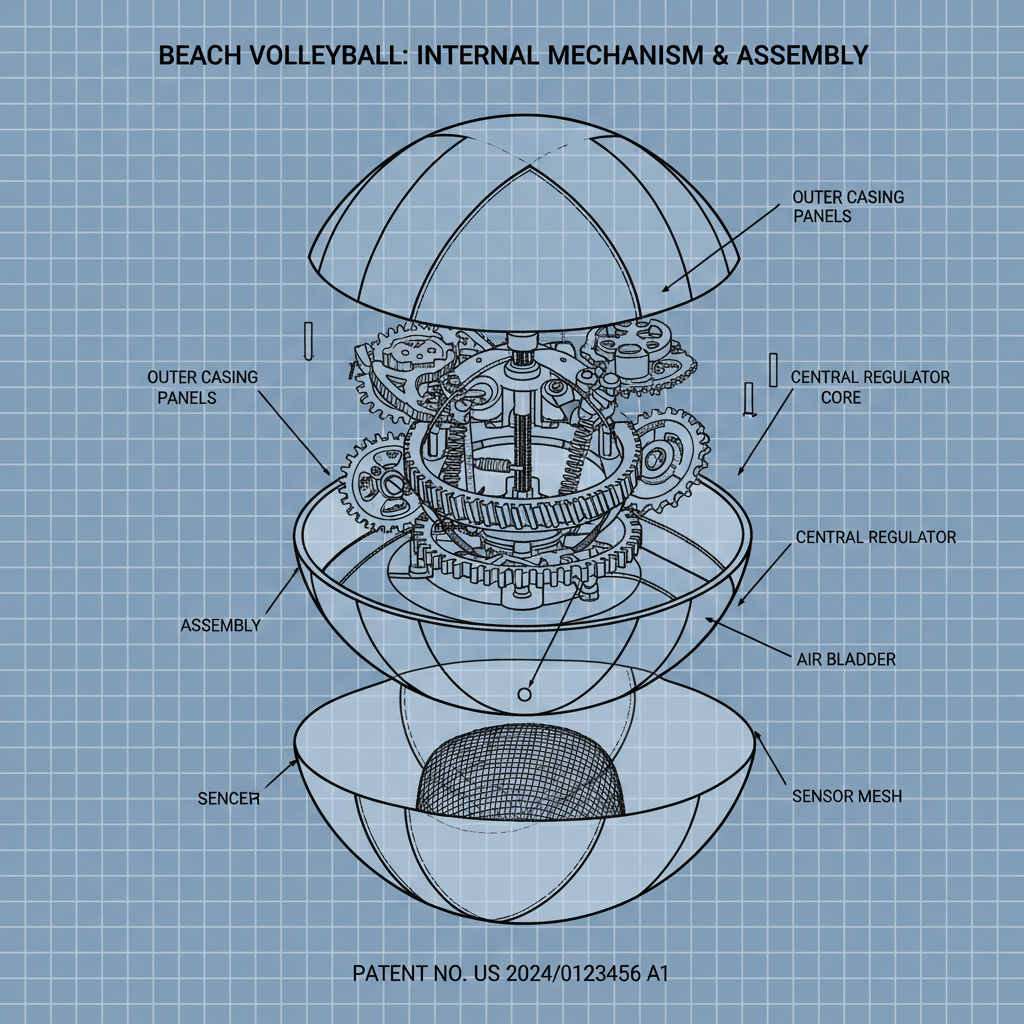
According to the Fédération Internationale de Volleyball (FIVB), the official size for beach volleyball balls is Size 5. However, the weight and circumference are slightly different than those for indoor volleyballs. Beach volleyballs are designed to be softer and lighter to account for the effects of wind and sand. The ball must meet specific criteria related to its weight, circumference, and bounce to be approved for official competitions. Using a ball that doesn't meet these standards can impact gameplay and potentially lead to unfair advantages.
Key Highlights: Beach volleyballs are designed to be softer and lighter than indoor volleyballs to account for wind and sand conditions. Official balls must adhere to strict FIVB regulations.
Beach Volleyball Ball Size and Age Groups
While Size 5 is standard for adult and competitive play, different age groups and recreational players may benefit from smaller, lighter balls. Younger players often find smaller sizes easier to handle and control, promoting skill development. Here’s a general guideline:
Comparing Beach Volleyballs: Weight & Material
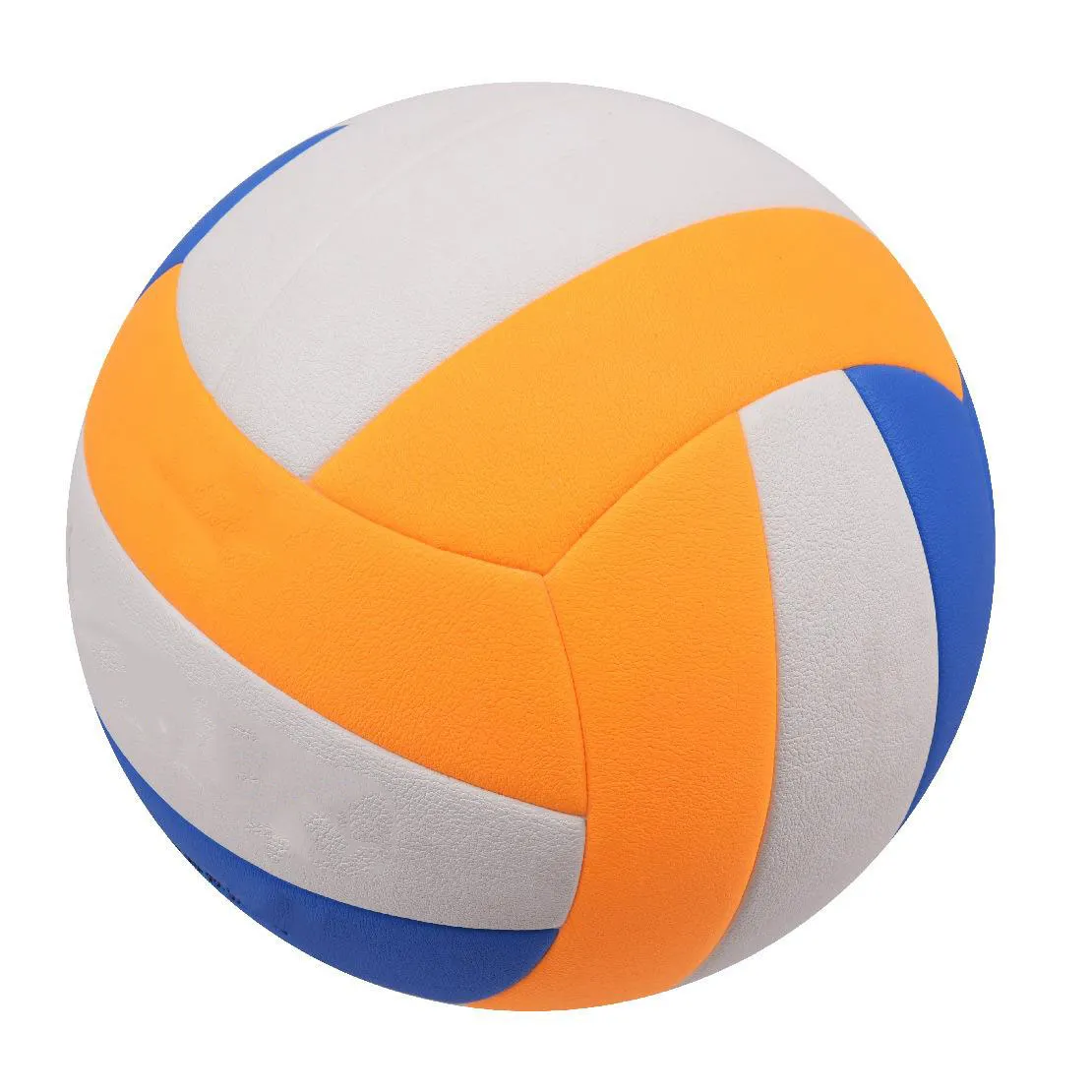
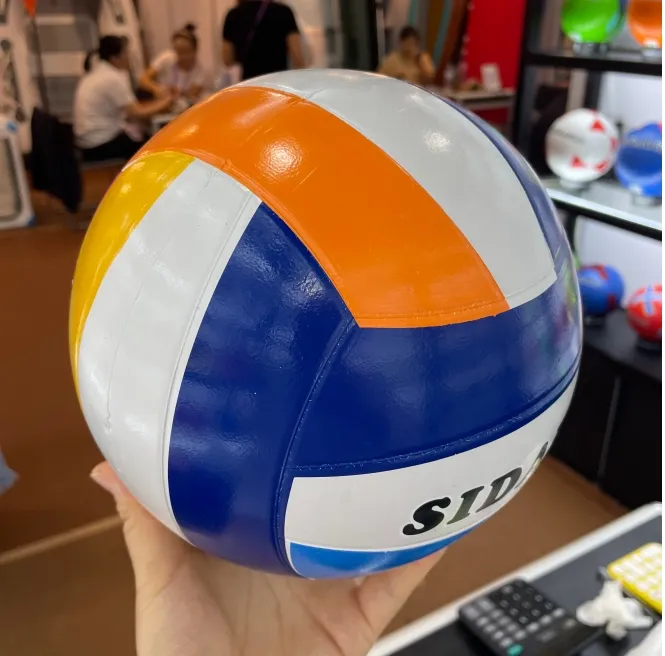
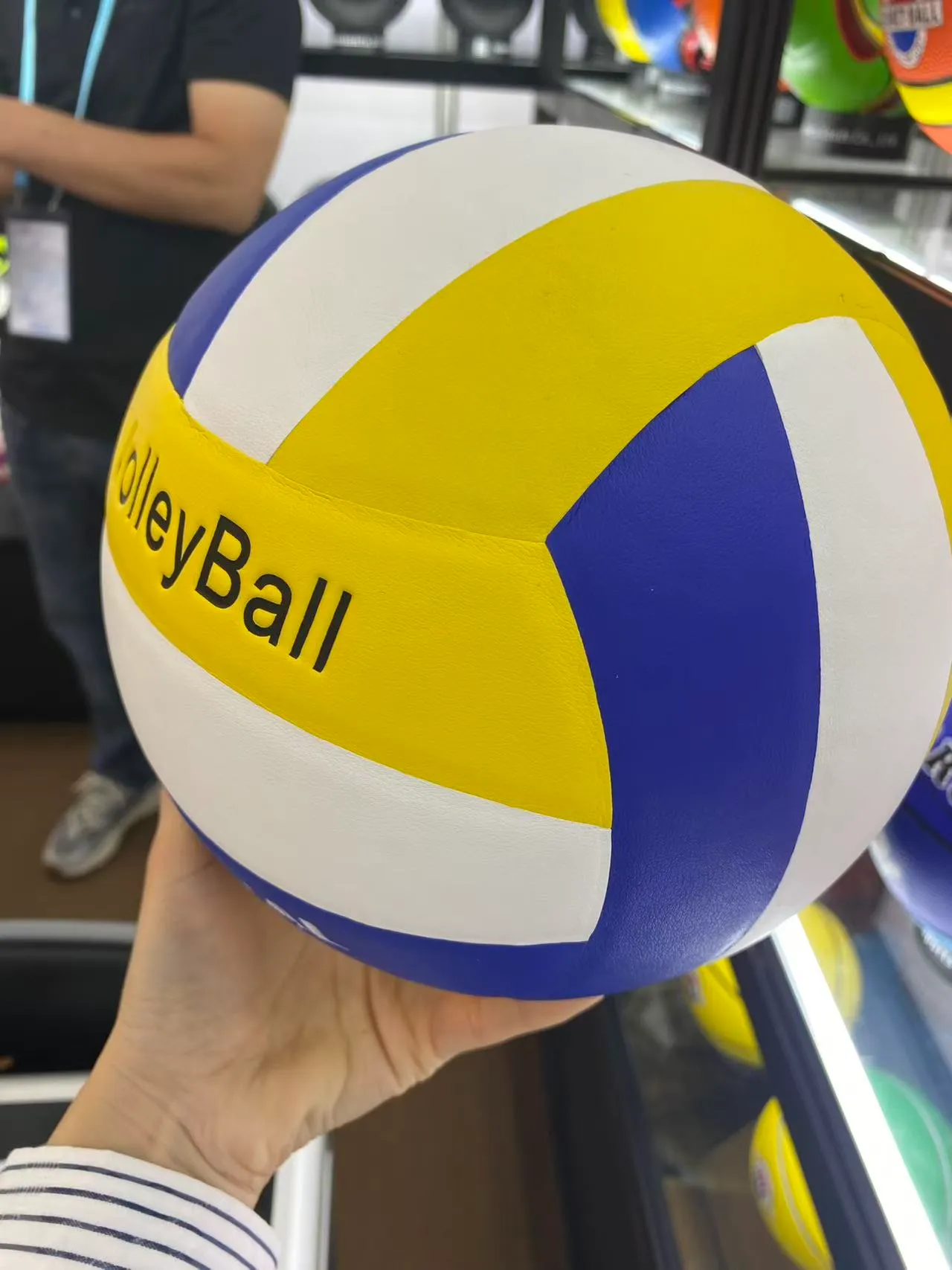
Beach volleyballs differ from indoor volleyballs in both weight and material. Indoor volleyballs are typically heavier and made with a leather or synthetic leather cover. Beach volleyballs are lighter, usually utilizing a softer, water-resistant microfiber material, allowing for better grip and control in sandy conditions. The reduced weight makes them easier to serve, pass, and spike, even against the wind. Selecting a high-quality beach volleyball like those offered by Starryballs ensures durability and optimal performance.
Key Differences:
• Weight: Beach volleyballs are lighter.
• Material: Beach volleyballs use water-resistant microfiber.
• Grip: Microfiber offers better grip in sandy conditions.
Finding the Right Beach Volleyball Ball Size with Starryballs
At Starryballs, we offer a wide selection of high-quality beach volleyballs in the official Size 5, designed for optimal performance. Our balls are crafted with durable materials and meticulous attention to detail, ensuring they can withstand the demands of intense gameplay. We also provide detailed product descriptions to help you choose the perfect ball for your needs, including information on weight, material, and suitability for different skill levels.

Factors to Consider When Choosing a Beach Volleyball Ball
Beyond size, consider these factors: Material quality impacts durability and feel. Water resistance is crucial for consistent performance. Seam construction affects bounce and aerodynamics. Brand reputation, like Starryballs, often indicates quality control. Finally, consider your playing environment – a windy beach demands a slightly heavier ball for better control.
Conclusion: Selecting the Perfect Beach Volleyball
Choosing the right beach volleyball ball size is essential for maximizing your enjoyment and performance on the sand. By understanding the official regulations, age-group recommendations, and key factors like material and weight, you can confidently select a ball that suits your needs. Explore the wide range of high-quality options available at Starryballs and elevate your beach volleyball game today!
Frequently Asked Questions (FAQs)
What is the difference between a beach volleyball and an indoor volleyball?
The key differences lie in weight, material, and surface texture. Beach volleyballs are lighter and larger, typically made of a softer, water-resistant microfiber material. Indoor volleyballs are heavier and feature a leather or synthetic leather cover. The softer texture of beach volleyballs provides better grip in sandy conditions and allows for more control in windy environments. The lighter weight also makes them easier to serve and spike effectively.
How do I care for my beach volleyball to prolong its lifespan?
Rinse your beach volleyball with fresh water after each use to remove sand and salt. Store it in a cool, dry place away from direct sunlight. Avoid exposing the ball to extreme temperatures or harsh chemicals. Regularly check for any signs of wear and tear, such as cracks or leaks, and replace the ball if necessary. Proper care will significantly extend the life of your beach volleyball.
Is the air pressure in a beach volleyball different from an indoor volleyball?
Yes, beach volleyballs are typically inflated to a lower pressure than indoor volleyballs. The recommended air pressure for a beach volleyball is generally between 4.3 and 4.6 PSI (pounds per square inch). Indoor volleyballs are typically inflated to between 4.6 and 4.8 PSI. Lowering the pressure slightly makes the ball softer and more forgiving in beach conditions.
Where can I find high-quality beach volleyballs?
Starryballs offers a wide selection of premium beach volleyballs designed for optimal performance and durability. We offer various sizes and materials to meet your specific needs, ensuring you have the best possible experience on the sand.