Jan . 30, 2026 14:55
Understanding the Dimension of Volleyball Balls: A Comprehensive Guide
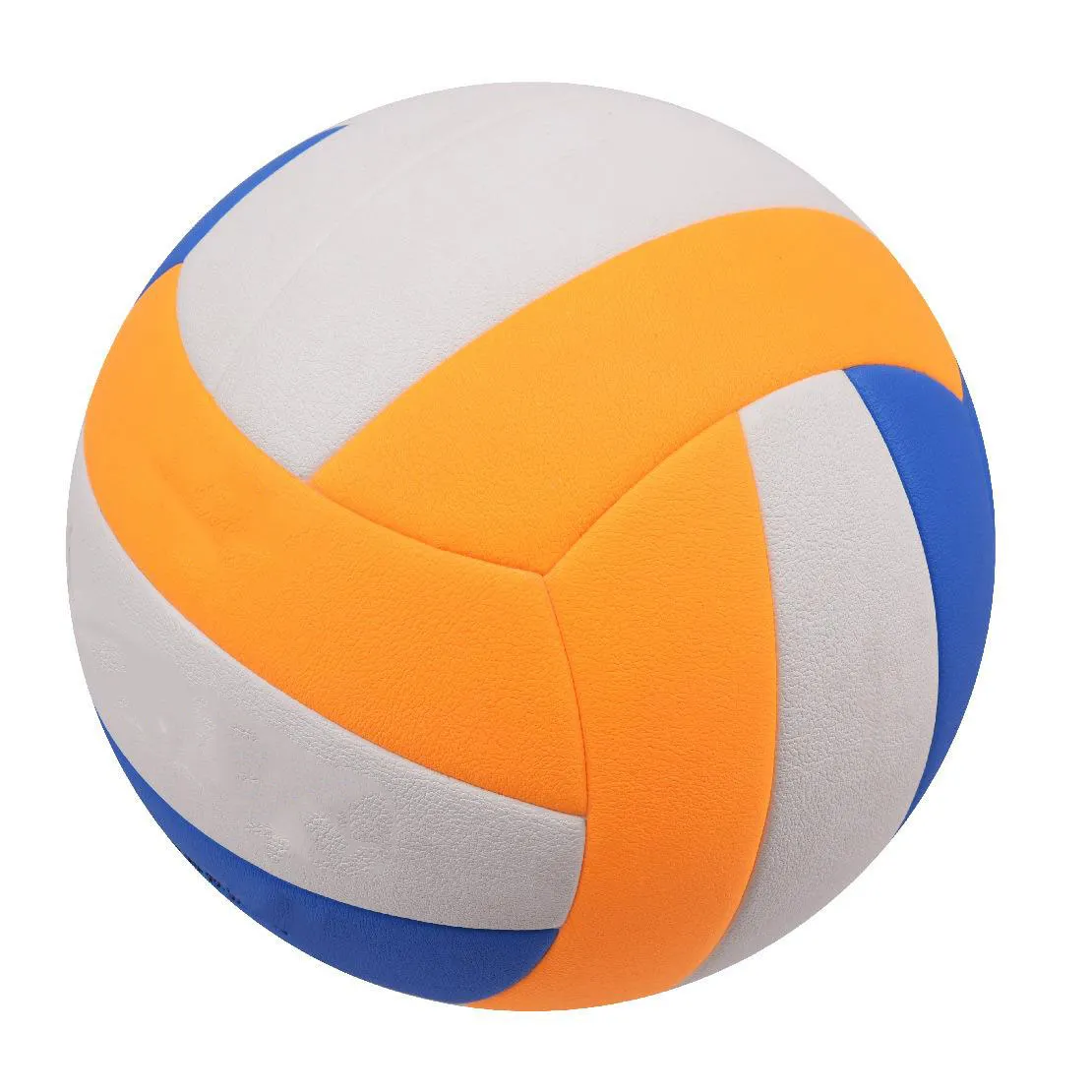
Choosing the right volleyball is crucial for performance and enjoyment, and a key factor is understanding its dimension. Whether you're a professional athlete, a recreational player, or coaching a team, knowing the official size and weight standards is essential. This article will delve into the intricacies of volleyball ball dimensions, covering official regulations, differences between indoor and beach volleyballs, and what to look for when purchasing a ball. Proper dimension ensures fair play and optimized performance.
Official Volleyball Dimensions: A Deep Dive
The Fédération Internationale de Volleyball (FIVB), the international governing body for volleyball, sets strict regulations for ball dimensions. These standards ensure fairness and consistency across all levels of play. According to FIVB guidelines, a regulation volleyball must be spherical and have a circumference of 65-67 centimeters (approximately 25.6-26.4 inches). The weight must fall between 260-280 grams (approximately 9.2-9.9 ounces). These measurements are critical for ensuring optimal gameplay and preventing imbalances. Understanding these dimensions is the first step in selecting the right volleyball for your needs.
Indoor vs. Beach Volleyball: Dimensional Differences
While both indoor and beach volleyball share the same basic spherical shape, there are key differences in their dimension and weight. Beach volleyballs are typically slightly larger and lighter than indoor volleyballs. This is due to the increased effect of wind and the different playing surface (sand). A standard beach volleyball has a circumference of 68-70 cm (26.8-27.6 inches) and weighs 260-280 grams (9.2-9.9 ounces), though some are lighter. The softer composition of beach volleyballs also contributes to a different feel and bounce.
Key Differences at a Glance: Beach volleyballs are larger and lighter to compensate for environmental factors like wind and the sand surface. This ensures better control and performance in outdoor conditions.
Volleyball Dimension Comparison: Indoor, Beach & Youth
Understanding the specific dimensions of different volleyball types is crucial for choosing the right ball for the appropriate age group and playing environment. Here's a comparative table outlining the key differences. Youth volleyballs, designed for younger players, are often smaller and lighter to facilitate easier handling and skill development. This ensures a positive and engaging experience for beginners. Starryballs offers a diverse range of volleyballs to cater to these varying needs.
Factors Influencing Volleyball Dimension Perception
Beyond the official specifications, several factors can influence how a volleyball’s dimension feels to a player. The internal pressure of the ball, the quality of the materials used (leather, synthetic leather, etc.), and even the ambient temperature can all affect its bounce, grip, and overall playability. A properly inflated ball is essential, and consistent pressure checks are recommended. Players often develop a preference for specific ball types based on these subjective factors, influencing their performance and enjoyment.
Choosing the Right Volleyball: Key Considerations
When selecting a volleyball, consider the playing environment, the skill level of the players, and personal preferences. For competitive indoor play, stick to official FIVB-approved balls. For recreational beach volleyball, a slightly lighter and larger ball may be more suitable. Youth players should use appropriately sized and weighted balls to encourage skill development and prevent injuries. Explore the range of volleyballs offered at Starryballs to find the perfect match for your needs.
Conclusion: Mastering Volleyball Dimensions for Optimal Play
Understanding the dimension of volleyballs is fundamental to enhancing performance and ensuring fair play. By considering the official regulations, the differences between indoor and beach volleyballs, and the needs of different skill levels, you can make informed choices and elevate your game. Choose wisely, and enjoy the sport!
Frequently Asked Questions (FAQs)
What happens if a volleyball is outside the official dimension range?
If a volleyball falls outside the official dimension range (circumference or weight), it’s considered non-regulation and shouldn't be used in official competitions. Using a non-regulation ball can affect gameplay, potentially giving an unfair advantage or disadvantage. The ball may be too difficult to control, impacting passing, setting, and hitting accuracy. It’s important to regularly check the dimensions of your volleyball, especially if it’s used frequently.
How does altitude affect the dimension and performance of a volleyball?
At higher altitudes, air density decreases, which can cause a volleyball to travel further and faster. This means the ball may feel lighter and bounce higher. While the physical dimensions of the ball remain unchanged, its perceived performance is affected. Players often need to adjust their technique and ball control to compensate for these changes. Properly inflating the ball to the recommended pressure is even more critical at higher altitudes.
What is the best way to measure a volleyball’s dimension?
To accurately measure a volleyball’s circumference, use a flexible measuring tape. Wrap the tape around the widest part of the ball and record the measurement. Ensure the tape is snug but not stretched. To measure weight, use a calibrated scale. It’s important to use accurate measuring tools to ensure the ball meets official regulations. Check the product specifications or the manufacturer’s website for the exact measurement process.
Are there different volleyball dimensions for different age groups?
Yes, volleyball dimensions vary depending on the age and skill level of the players. Youth volleyballs (size 5) are smaller and lighter than official-size volleyballs, making them easier for younger players to handle. As players progress to higher levels, they typically transition to the official size and weight. Using the appropriate size volleyball helps develop proper technique and reduces the risk of injury.