Jan . 30, 2026 14:55
Understanding Volleyball Measurement: A Comprehensive Guide
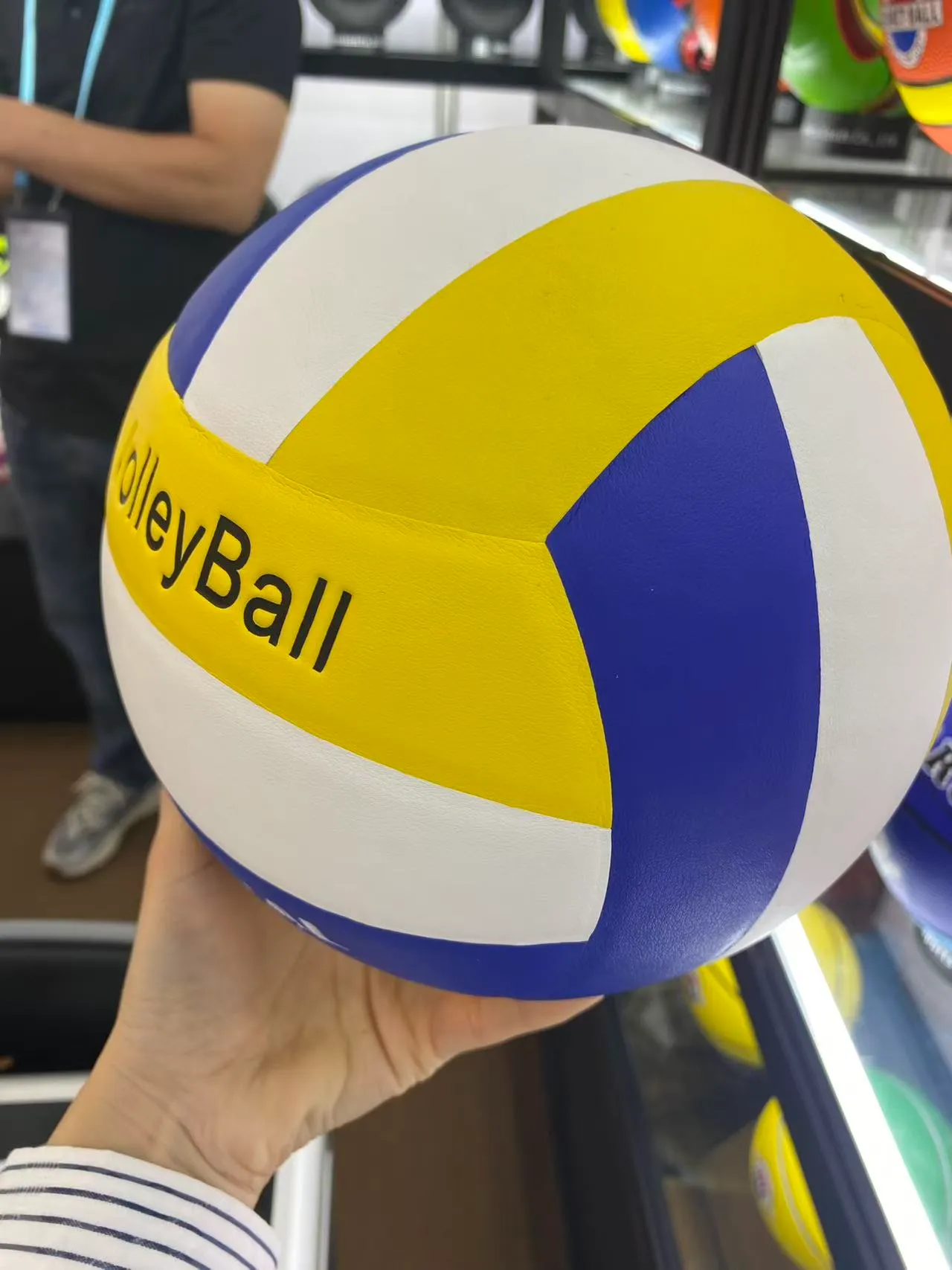
Whether you’re a seasoned player, a coach, or simply a fan of the sport, understanding the correct volleyball measurement is crucial for optimal performance and adherence to official rules. From circumference and weight to the height of the net, each aspect plays a vital role in ensuring a fair and enjoyable game. This article will delve into all the key measurements of a volleyball, providing a detailed overview to enhance your knowledge and appreciation of the sport. Choosing the correct volleyball for your level and play style can significantly impact the game experience.
The Official Size and Weight of a Volleyball
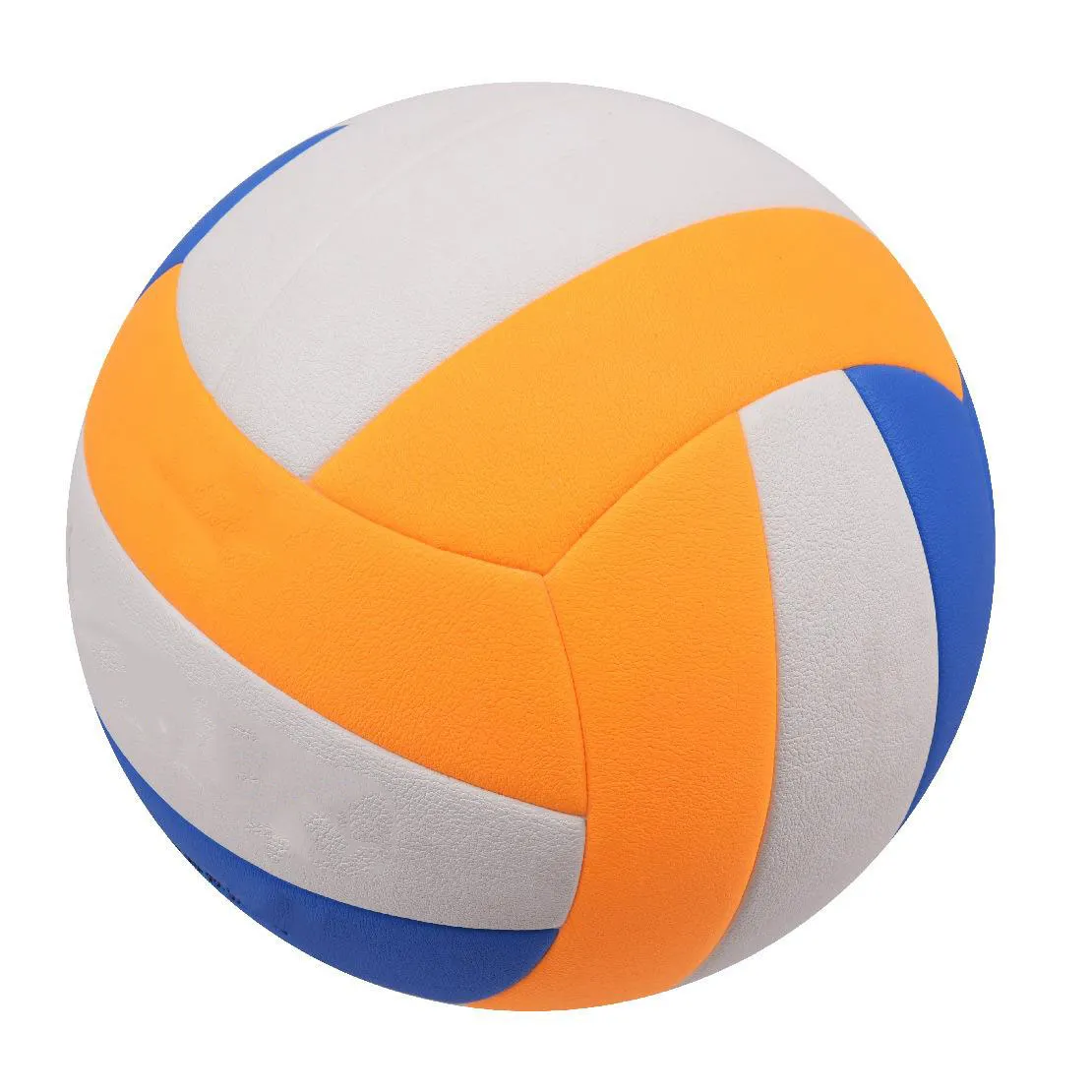
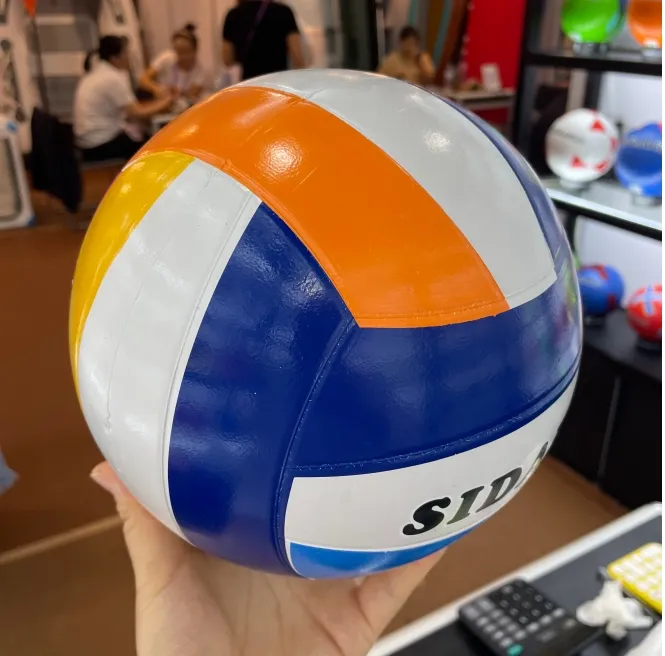
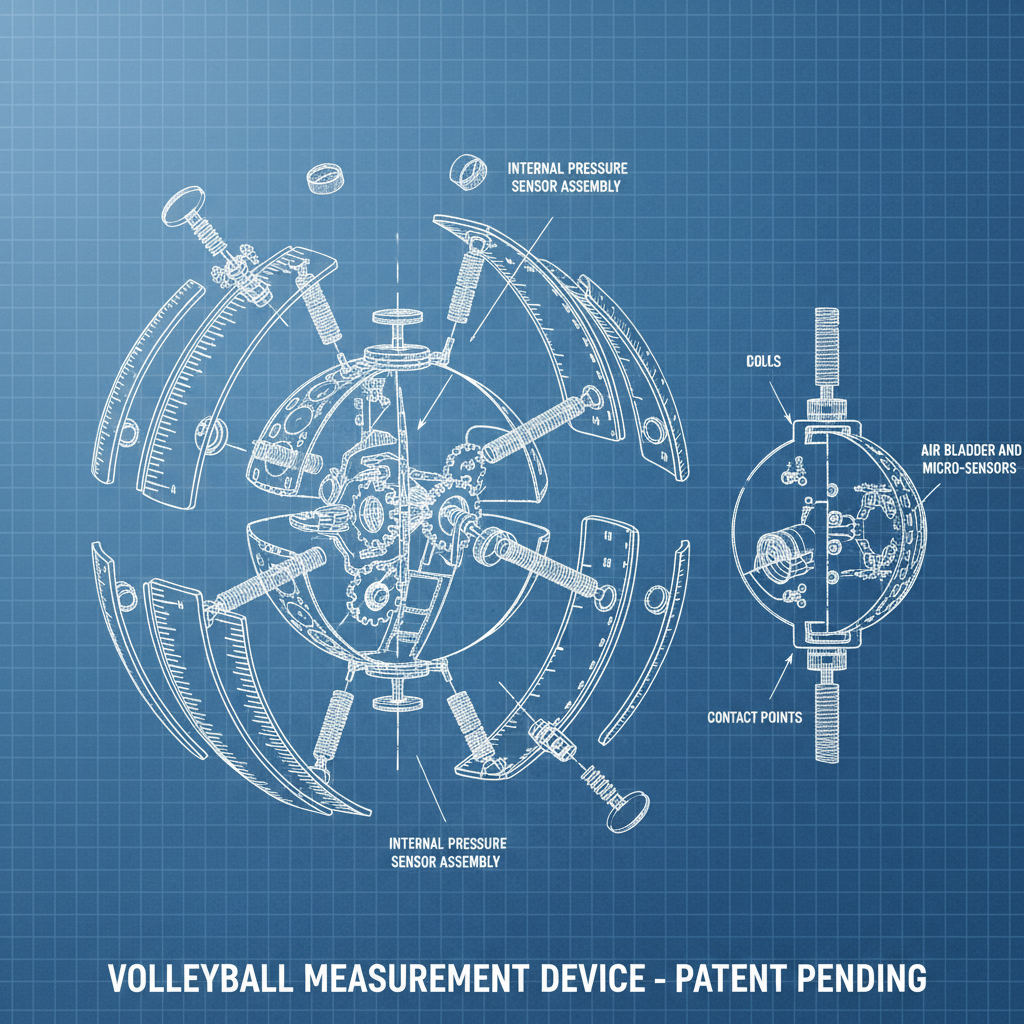
According to the Fédération Internationale de Volleyball (FIVB), the official size and weight of a volleyball are standardized to ensure consistency across all levels of play. For official matches, a volleyball must have a circumference between 65 and 67 centimeters (approximately 25.6 to 26.4 inches) and a weight between 260 and 280 grams (approximately 9.2 to 9.9 ounces). These specifications are meticulously maintained to guarantee that the ball behaves predictably during gameplay, influencing factors like set accuracy, spike velocity, and overall control. Selecting a volleyball that meets these standards is paramount for competitive play.
Key Highlights: The official volleyball circumference is between 65 and 67 centimeters, and the weight should be between 260 and 280 grams. These measurements are critical for competitive play.
Volleyball Measurements for Different Age Groups
While the official measurements apply to senior-level play, variations exist for younger age groups to accommodate their developing skills and physical capabilities. Lighter and slightly smaller volleyballs are often used for children and beginners. This allows for easier handling, improved control, and reduced risk of injury. The size and weight are gradually increased as players progress in age and skill level, ultimately transitioning to the official specifications.
Age Group Volleyball Sizes & Weights:
• Kids (Ages 8-12): Circumference: 55-57 cm, Weight: 180-200g
• Junior (Ages 13-15): Circumference: 60-62 cm, Weight: 220-240g
• Youth (Ages 16-18): Circumference: 63-65 cm, Weight: 240-260g
• Adult/Official: Circumference: 65-67 cm, Weight: 260-280g
Beach Volleyball Measurement Variations
Beach volleyball differs from indoor volleyball in several ways, including its measurements. Beach volleyballs are typically slightly larger and heavier than indoor volleyballs. The official circumference for a beach volleyball is between 66 and 68 centimeters, and the weight ranges from 280 to 300 grams. This increased size and weight are attributed to the effects of wind and sand, requiring a ball that is easier to control in outdoor conditions. The slight difference in volleyball measurement ensures playability in the unique environment of beach volleyball.
Net Height Measurement in Volleyball
The height of the volleyball net is another critical measurement that varies based on gender and age. For men’s competition, the net height is 2.43 meters (approximately 7 feet 11 5/8 inches). For women’s competition, the net height is 2.24 meters (approximately 7 feet 4 1/8 inches). Youth and junior net heights are adjusted proportionally lower to suit the players’ size and skill level. Accurate net height measurement is crucial for fair play and ensuring that the game is challenging yet attainable for all participants.
How to Ensure Accurate Volleyball Measurement
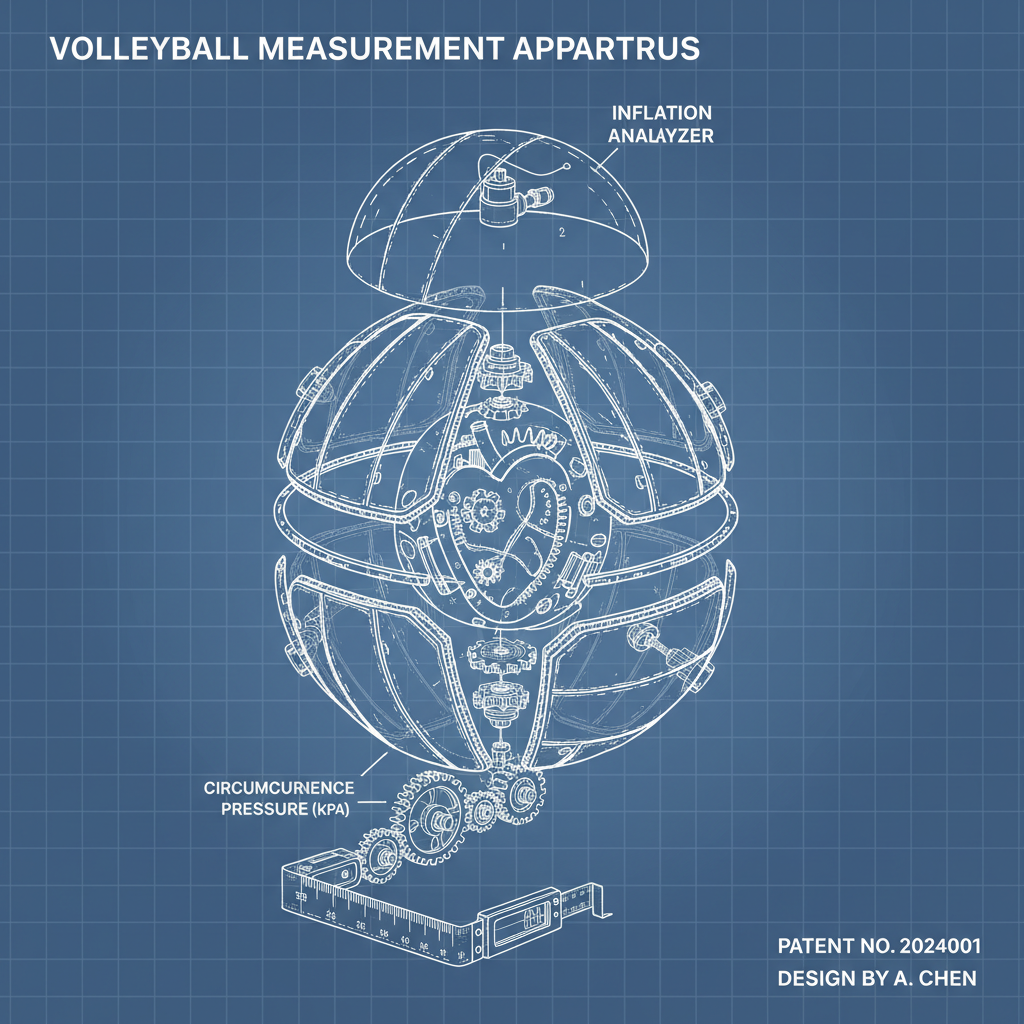
Ensuring accurate volleyball measurement requires using calibrated tools and following official guidelines. A flexible measuring tape is essential for checking circumference, and a reliable scale is needed for determining weight. For net height, a measuring device specifically designed for volleyball nets is recommended. Regularly inspecting equipment and verifying measurements before matches or practices helps maintain fair play and prevent disputes. Starryballs provides high-quality volleyballs that meet official specifications.
Conclusion: Mastering Volleyball Measurements for Optimal Play
Understanding the nuances of volleyball measurement is essential for players, coaches, and enthusiasts alike. By adhering to official standards and considering the specific needs of different age groups and playing environments, you can ensure a fair, safe, and enjoyable experience. Investing in quality equipment and prioritizing accurate measurements are key components of a successful volleyball program.
Frequently Asked Questions (FAQs)
What tools do I need to accurately measure a volleyball?
To accurately measure a volleyball, you'll need a flexible measuring tape to determine the circumference and a calibrated scale to measure the weight. Ensure the scale is accurate and can measure in grams. For verifying net height, a dedicated volleyball net height measuring device is highly recommended. Always double-check your measurements to ensure accuracy. It’s also beneficial to compare your measurements against official guidelines provided by organizations like the FIVB.
How often should volleyball measurements be checked?
Volleyball measurements should be checked regularly, especially before important matches or tournaments. It’s a good practice to verify measurements at the beginning of each practice session as well. Over time, volleyballs can lose air or become slightly deformed, affecting their weight and circumference. Net height can also shift due to adjustments or environmental factors. Regular checks ensure that the equipment complies with official standards.
Are there different types of volleyballs for indoor and outdoor play?
Yes, there are distinct types of volleyballs designed for indoor and outdoor play. Indoor volleyballs typically have a softer, smoother surface and are lighter in weight, prioritizing control and feel. Beach volleyballs, on the other hand, are made with a more durable, water-resistant material and are slightly larger and heavier to compensate for wind and sand conditions. Using the appropriate ball for the environment significantly enhances the playing experience.
What happens if a volleyball is outside the official measurement range during a game?
If a volleyball is found to be outside the official measurement range during a game, it must be replaced with a compliant ball. Using a volleyball that doesn't meet the specifications is a violation of the rules and can lead to penalties or even forfeiture of the match. Referees are responsible for verifying that the volleyball meets the required standards before the game begins and throughout the competition.