يناير . 11, 2026 10:15
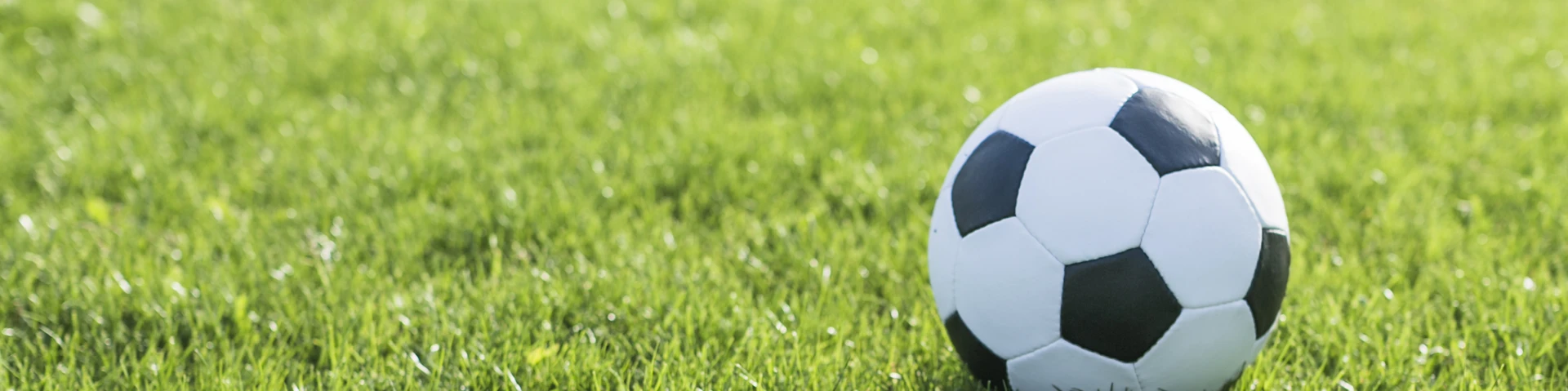
عند اختيار كرة قدم للبيع—whether for professional play, training, school programs, or promotional use—the material is one of the most important factors affecting performance, durability, and cost. Today’s soccer balls are mainly made from PU (Polyurethane), TPU (Thermoplastic Polyurethane), and PVC (Polyvinyl Chloride). Each material serves a different purpose and target market.
So, what is the best material for soccer balls? The answer depends on how the ball will be used, who will use it, and your budget. This guide compares PU vs TPU vs PVC soccer balls in detail, helping buyers, brands, and wholesalers make informed decisions.
Why Soccer Ball Material Matters
The outer material of a soccer ball directly impacts:
-
Touch and control
-
Softness and comfort
-
Durability and abrasion resistance
-
Water absorption
-
Overall soccer ball quality and lifespan
-
Final soccer ball price and production cost
For مصنعي كرات القدم and bulk buyers, material choice also determines positioning—whether the product targets match play, training, or the cheap soccer balls market.
PU Soccer Balls: Premium Performance and Professional Feel
PU (Polyurethane) is widely regarded as the best material for high-quality soccer balls. It is commonly used in professional match balls and high-end training balls.
Advantages of PU Soccer Balls
كرة قدم من البولي يوريثين offers an exceptionally soft touch, making it ideal for advanced players who rely on ball control, passing accuracy, and shooting precision. The material provides excellent elasticity, allowing the ball to maintain shape and rebound consistency over time. PU also has lower water absorption, which helps maintain weight in wet conditions.
Most FIFA-quality or match-standard balls use multi-layer PU construction combined with foam backing, enhancing comfort and responsiveness.
Disadvantages of PU Soccer Balls
The main drawback of PU is cost. PU balls have a higher soccer ball cost, which translates to a higher soccer ball price. They may also wear faster than PVC balls when used on rough surfaces such as concrete.
Best Use Cases for PU
-
Professional matches
-
Advanced training
-
Clubs and academies
-
Premium brand positioning
If performance is the priority when you buy soccer ball products, PU is the top choice.
TPU Soccer Balls: Balanced Quality and Durability
TPU (Thermoplastic Polyurethane) sits between PU and PVC in terms of performance and price. It is a popular option for training balls and mid-range markets.
Advantages of TPU Soccer Balls
TPU soccer ball offers a good balance of softness, durability, and cost efficiency. It feels noticeably softer than PVC while being more abrasion-resistant than PU. TPU balls maintain shape well and perform consistently across different playing surfaces.
For بيع كرات القدم بالجملة buyers, TPU is attractive because it delivers reliable soccer ball quality without the high cost of PU.
Disadvantages of TPU Soccer Balls
While TPU performs well, it does not provide the same premium touch or responsiveness as PU. Professional players may notice the difference, especially in competitive match environments.
Best Use Cases for TPU
-
Training sessions
-
School and youth programs
-
Clubs with budget control
-
Bulk order soccer balls
TPU is often considered the most cost-effective all-round solution.
PVC Soccer Balls: Affordable and Highly Durable
PVC (Polyvinyl Chloride) is the most commonly used material for entry-level and promotional soccer balls.
Advantages of PVC Soccer Balls
PVC Soccer Balls are extremely durable and resistant to abrasion, making them ideal for rough surfaces and long-term use. The material is inexpensive, allowing manufacturers to offer cheap soccer balls with very competitive pricing. This significantly reduces overall soccer ball cost, especially for large-volume orders.
PVC is widely used in promotional giveaways, school equipment, and beginner training balls.
Disadvantages of PVC Soccer Balls
PVC balls are harder and less responsive compared to PU or TPU. The touch is firmer, and ball control is limited, which can affect playing experience. Water absorption and stiffness in cold weather are also concerns for lower-grade PVC.
Best Use Cases for PVC
-
Promotional campaigns
-
Beginners and casual play
-
Schools and public facilities
-
Low-budget markets
PVC is ideal when price and durability matter more than performance.
PU vs TPU vs PVC: Side-by-Side Comparison
| Feature | PU | TPU | PVC |
|---|---|---|---|
| Touch & Feel | Excellent | Good | Basic |
| Durability | Medium | عالي | Very High |
| Water Resistance | عالي | Medium-High | Medium |
| Soccer Ball Cost | عالي | Medium | قليل |
| Soccer Ball Price | Premium | Mid-range | قليل |
| Best For | Matches | Training | Promotions |
Which Soccer Ball Material Should You Choose?
The “best” soccer ball material depends entirely on your target market:
-
يختار PU if you want premium performance and professional appeal.
-
يختار TPU if you need balanced quality at a reasonable cost.
-
يختار PVC if affordability and durability are the top priorities.
For مصنعي كرات القدم, offering multiple material options allows better market segmentation. For buyers placing bulk order soccer balls, mixing materials across product lines can maximize profitability while meeting diverse customer needs.
Final Thoughts: Making the Right Material Choice
Understanding PU vs TPU vs PVC is essential when sourcing soccer balls or planning a product line. Material choice affects not only how the ball performs, but also brand positioning, pricing strategy, and customer satisfaction.
Whether you are a distributor looking for بيع كرات القدم بالجملة, a brand planning to buy soccer ball products in volume, or a retailer targeting different consumer levels, selecting the right material ensures long-term value and market success.
If you need help choosing materials, comparing soccer ball price, or customizing bulk orders, working directly with experienced soccer ball China factories can give you both cost advantages and reliable quality control.