Jan . 11, 2026 10:15
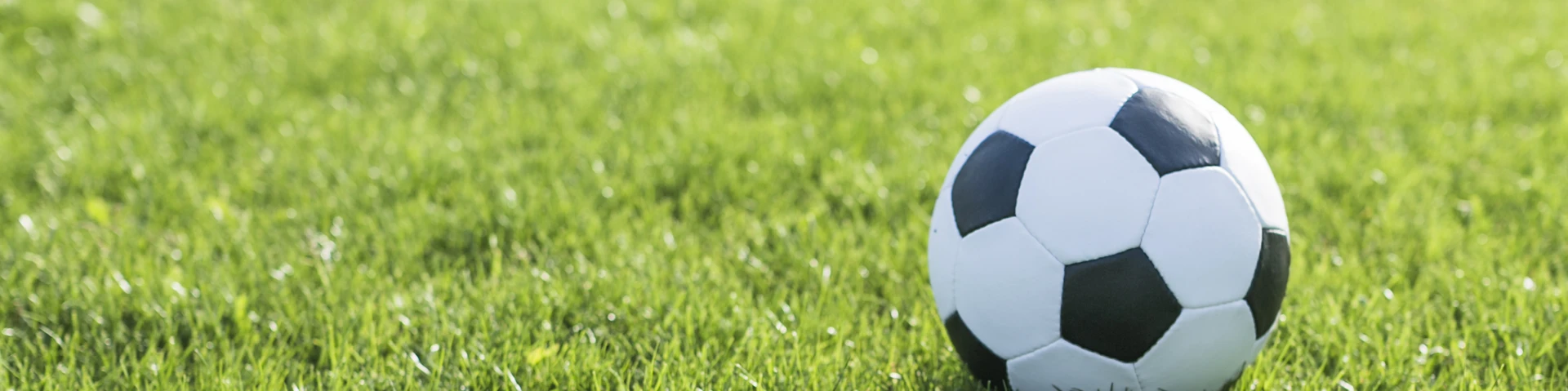
When choosing a soccer ball, many buyers—whether players, coaches, schools, or distributors—often ask the same question: what is the real difference between training soccer balls and match soccer balls? At first glance, they may look similar in size and shape, but in reality, their construction, materials, performance, and price are designed for very different purposes. Understanding these differences helps you select the right ball for your needs and avoid unnecessary costs.
This guide breaks down the key distinctions in a clear, practical way, helping both end users and bulk buyers make smarter decisions.
What Are Training Soccer Balls?
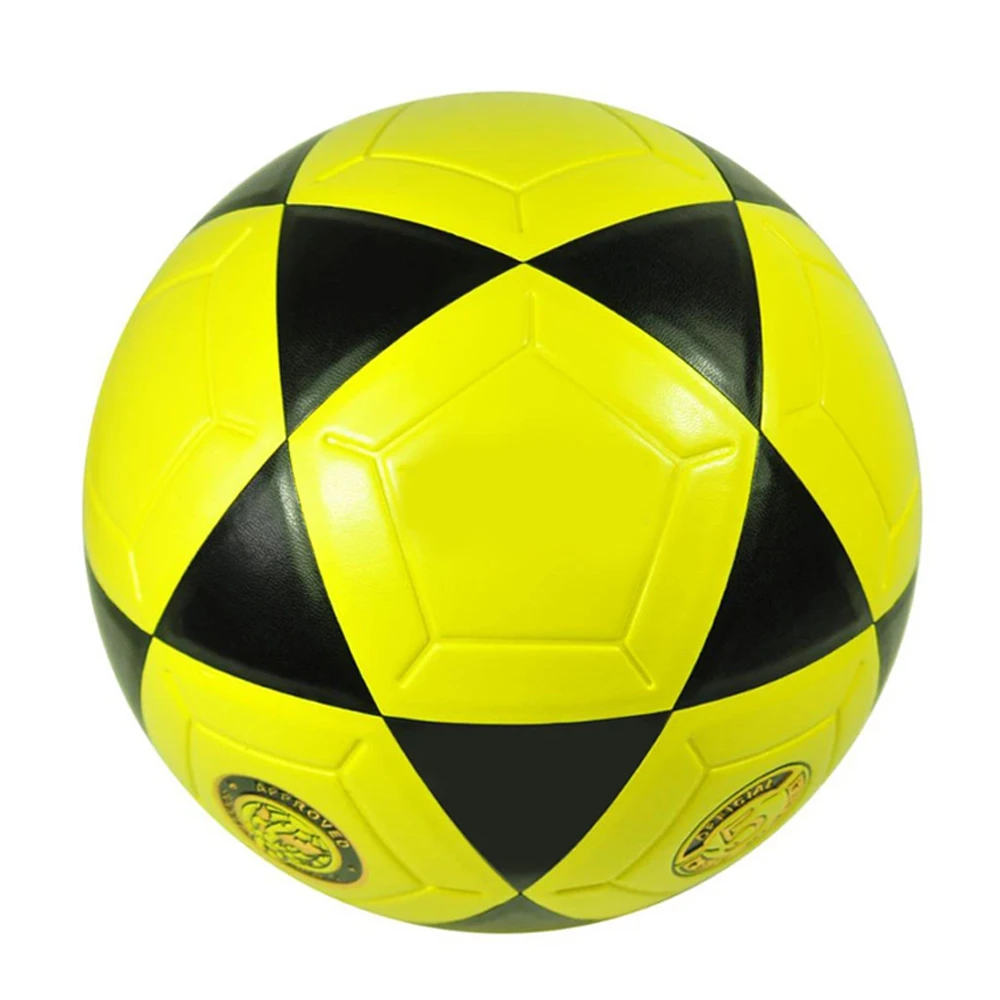
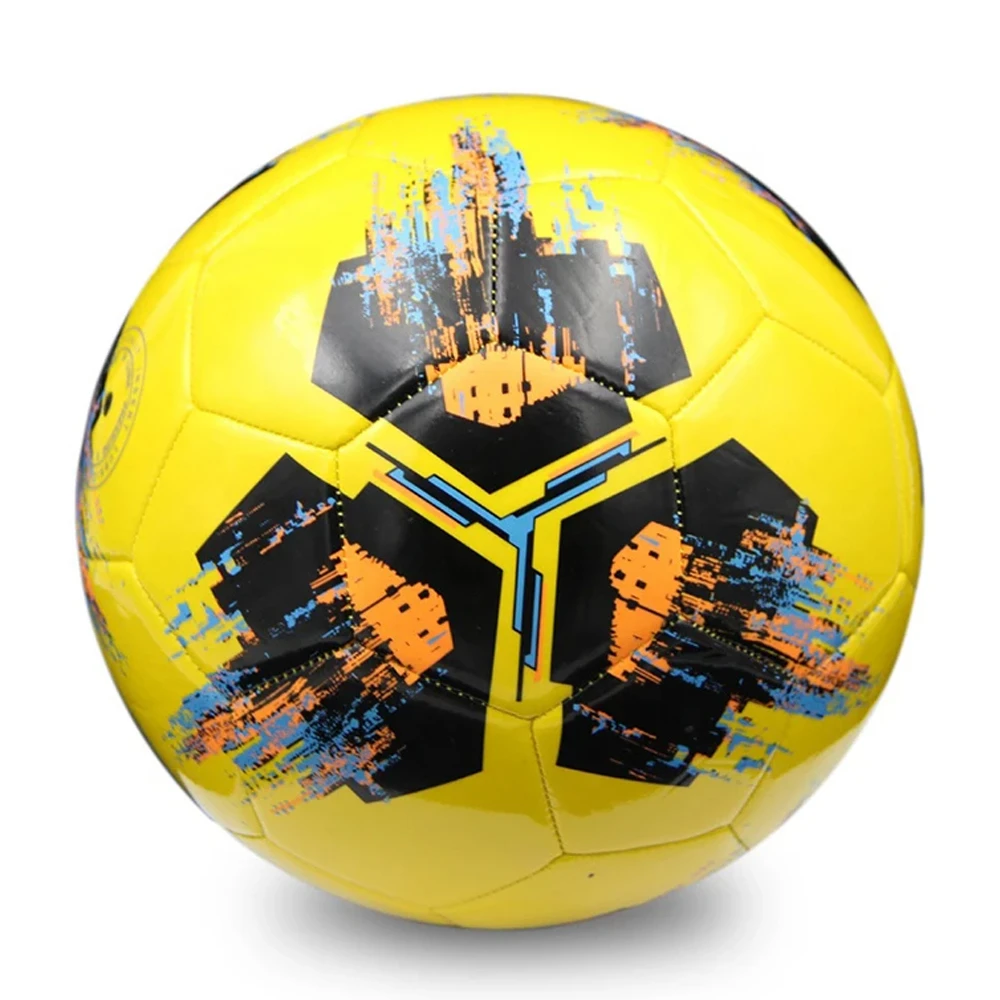
Training soccer balls are designed for daily practice, drills, and repeated use. They are built with durability and cost efficiency in mind, making them ideal for schools, academies, clubs, and promotional use.
Most training balls use PVC or TPU outer materials, which are tougher and more resistant to abrasion. While they may not feel as soft as match balls, they can withstand hard surfaces, frequent kicking, and long training sessions without losing shape quickly. This durability makes training balls especially suitable for bulk orders and long-term use.
In terms of construction, training soccer balls are often machine-stitched or machine-bonded. This ensures consistent quality and keeps production costs lower, which directly affects the overall soccer ball price. For organizations buying hundreds or thousands of balls, training balls offer excellent value.
What Are Match Soccer Balls?
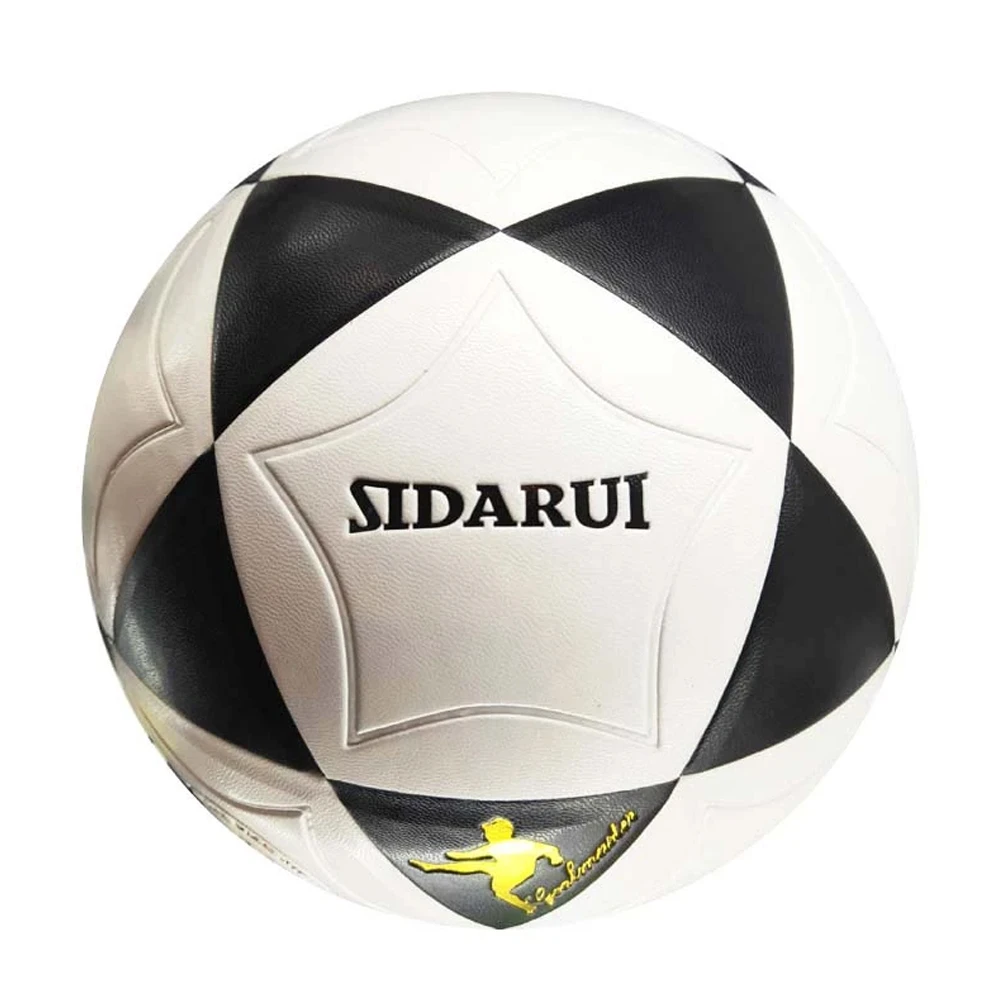
Soccer match balls are designed for official games and competitive play, where performance matters more than longevity. These balls focus on touch, control, accuracy, and predictable flight.
Most match balls are made from PU material, which provides a softer surface and better responsiveness. They often feature multi-layer constructions with foam backing, enhancing ball feel and energy return. High-end match balls are typically hand-stitched or thermally bonded, resulting in smoother seams and more accurate aerodynamics.
Because of the premium materials and stricter quality standards, match soccer balls come with a higher soccer ball cost. They are not meant for rough training sessions or hard ground use, as excessive wear can quickly reduce their lifespan.
Key Differences Between Training and Match Soccer Balls


1. Material and Surface Feel
Training soccer balls prioritize durability, often using PVC or TPU. Match soccer balls use PU, offering a softer touch and better control. This difference is immediately noticeable during passing and shooting.
2. Construction Method
Training balls are usually machine-stitched for efficiency and consistency. Match balls may be hand-stitched or thermally bonded, improving seam strength and flight stability.
3. Performance and Flight
Match soccer balls are engineered for accuracy, predictable movement, and responsiveness—critical during competitive play. Training balls focus more on reliability than precision.
4. Durability
Training soccer balls are designed to handle repeated impact and rough surfaces. Match balls, while high-performing, wear faster if used for daily practice.
5. Price and Cost Efficiency
Training balls offer a lower soccer ball price, especially when purchased through soccer ball wholesale channels. Match balls cost more due to premium materials and advanced construction.
Bola Sepak Mana Yang Harus Anda Pilih?
The right choice depends on how and where the ball will be used.
-
For schools, academies, and clubs: Training soccer balls are the practical choice. They balance durability and cost, making them ideal for daily drills and large groups.
-
For tournaments and official matches: Match soccer balls deliver the performance players expect in competitive environments.
-
For distributors and retailers: Offering both options allows you to cover different market segments, from cheap soccer balls for training to premium match balls.
For buyers placing bulk order soccer balls, mixing training and match balls is a common strategy—training balls for practice sessions and match balls reserved for game days.
Soccer Ball Quality Standards to Know
Both training and match soccer balls should meet basic quality benchmarks, including:
-
Weight and size accuracy
-
Air retention performance
-
Shape consistency
-
Surface durability
Reliable soccer ball manufacturers apply quality checks throughout production, ensuring that even lower-cost training balls meet acceptable standards. When sourcing from established soccer ball China factories, buyers can access consistent quality while maintaining competitive pricing.
Cost Considerations for Wholesale Buyers
From a business perspective, understanding soccer ball cost structure is crucial. Material choice, stitching method, bladder type, and order volume all influence final pricing. Training soccer balls are more cost-effective for large-scale distribution, while match balls offer higher margins in premium segments.
Apabila anda buy soccer ball products directly from manufacturers instead of intermediaries, you gain better control over customization, quality, and pricing. This is especially important for brands developing private-label lines.
Final Thoughts: Performance vs Practicality
The real difference between training soccer balls and match soccer balls comes down to purpose. Training balls are built for endurance and affordability, while match balls are engineered for performance and precision. Neither is “better” in every situation—they simply serve different roles.
For players, using the right ball improves skill development and match readiness. For buyers and wholesalers, understanding these differences ensures smarter purchasing decisions, better inventory planning, and stronger customer satisfaction. Choosing the correct soccer ball type ultimately saves money, enhances performance, and delivers long-term value.