Nov . 05, 2025 15:17
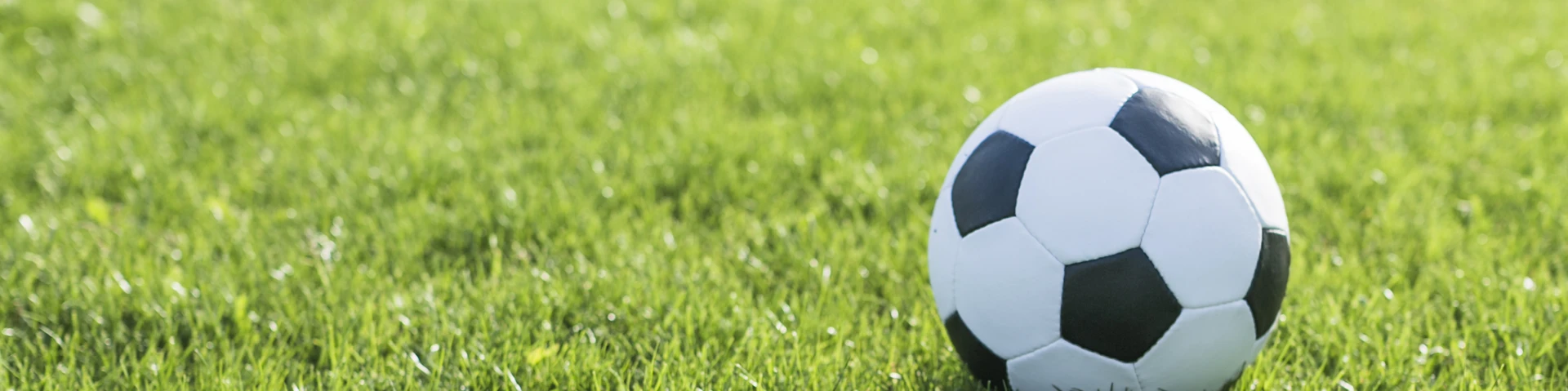
When your child begins their soccer journey, one of the first and most important purchases you’ll make is a soccer ball. Choosing the correct soccer ball size by age ensures proper skill development, comfort, and safety during play. Many parents overlook this detail, but the size and weight of a soccer ball can significantly affect a young player’s ability to control, pass, and shoot effectively. This guide will help you understand each soccer ball size, its recommended age group, and how to make the best choice for your child’s needs.
Why Soccer Ball Size Matters
The right soccer ball size promotes better coordination and confidence on the field. A ball that’s too large or heavy can discourage young players, causing frustration or even injury. On the other hand, a properly sized ball helps children learn correct kicking techniques, dribbling control, and passing accuracy.
For coaches and parents, using the appropriate ball size also ensures fair play during matches and training sessions. Standardizing ball sizes by age helps children develop progressively as they grow stronger and more skilled.
Soccer Ball Sizes Explained
There are five official soccer ball sizes — Size 1 through Size 5 — each designed for a specific age range and skill level. Understanding the difference helps you match your child’s ability and comfort with the right ball.
Size 1: Mini Soccer Ball (Skills and Fun)
Recommended Age: All ages (especially under 3)
Circumference: 18–20 inches
Purpose: Skill training, fun play, or souvenir
Size 1 soccer balls, often called mini Soccer Ball, are perfect for toddlers or for older players to practice foot skills. They’re lightweight and ideal for developing basic coordination. Many parents also use them for indoor play or as collector’s items since they often feature favorite team logos.
Size 3: The First Real Game Ball for Kids
Recommended Age: 4–7 years old
Circumference: 23–24 inches
The Size 3 soccer ball is the official starting point for young players. It’s smaller and lighter, allowing children to control it easily without straining their legs. This size helps kids focus on basic techniques — dribbling, short passes, and controlled shooting — which are crucial for building confidence at an early stage.
When shopping, look for durable materials such as synthetic leather or TPU, which withstand frequent play on grass or turf.
Size 4: For Pre-Teens and Skill Development
Recommended Age: 8–12 years old
Circumference: 25–26 inches
The Size 4 soccer ball is the bridge between youth and professional play. It’s slightly heavier, preparing players for the full-size ball used by older teens and adults. Coaches often recommend this size because it helps children refine their control and passing accuracy.
At this stage, durability becomes more important. Look for balls with machine-stitched panels and a reinforced bladder, which help retain shape and air pressure longer.
Size 5: The Official Match Ball
Recommended Age: 13 years and older
Circumference: 27–28 inches
The Size 5 soccer ball is the standard for all professional, adult, and international matches, including FIFA tournaments. Once your child reaches their early teens, they’ll likely transition to this size for both training and competitive games.
Parents should focus on buying quality balls that meet FIFA Quality or IMS (International Match Standard) ratings to ensure consistent performance. These balls are slightly heavier and designed for power and precision.
Key Features to Look For in a Soccer Ball
Beyond size, several factors influence how a soccer ball performs and lasts. When purchasing, pay attention to:
-
Material:
-
PU (Polyurethane) balls offer excellent touch and durability for match play.
-
TPU (Thermoplastic Polyurethane) balls are softer and ideal for training or youth games.
-
-
Construction:
-
Hand-stitched balls provide higher quality and better shape retention.
-
Machine-stitched options are affordable and durable for casual play.
-
-
Bladder Type:
-
Latex bladders give a softer feel but may require frequent inflation.
-
Butyl bladders retain air longer, making them more convenient for young players.
-
-
Surface Type:
-
For outdoor grass, choose a thicker outer cover.
-
For indoor or turf fields, opt for smoother panels and controlled bounce.
-
Selecting a soccer ball that matches your child’s playing environment improves comfort and longevity.
Tips for Parents When Buying a Soccer Ball
-
Check Official Standards: Choose a ball that meets size and weight regulations for your child’s league.
-
Buy According to Growth: Don’t rush to buy a larger ball — progression through sizes helps children build technique naturally.
-
Inflate Properly: Overinflating can make a ball too hard; check the recommended PSI listed on the ball.
-
Encourage Regular Practice: A correctly sized soccer ball makes practice more enjoyable, encouraging consistency and improvement.
For younger players, always supervise play to ensure safe use, especially when playing indoors or on uneven surfaces.
Why Choose Starryballs for Youth Soccer Balls
At Starryballs, we specialize in producing high-quality soccer balls for all ages, including official Size 3, Size 4, and Size 5 soccer balls designed for both training and competitive matches. Each ball undergoes strict quality testing to ensure perfect roundness, consistent bounce, and lasting performance.
Our soccer balls are made using premium TPU and PU materials, offering durability and soft touch suitable for all field conditions. Starryballs also provides custom logo printing and bulk order options, making them an excellent choice for schools, clubs, and training academies.
Parents trust Starryballs because we focus on safety, comfort, and skill development — everything your child needs to enjoy soccer and grow as a player.
Final Thoughts
Selecting the correct soccer ball size by age is a small but vital decision that impacts your child’s progress and enjoyment of the game. From mini balls for toddlers to official match balls for teens, each step plays a role in developing confidence and control.
When you choose a reliable brand like Starryballs, you’re not just buying a soccer ball — you’re investing in quality, safety, and a love for the game that lasts a lifetime.