Oct . 10, 2025 13:50
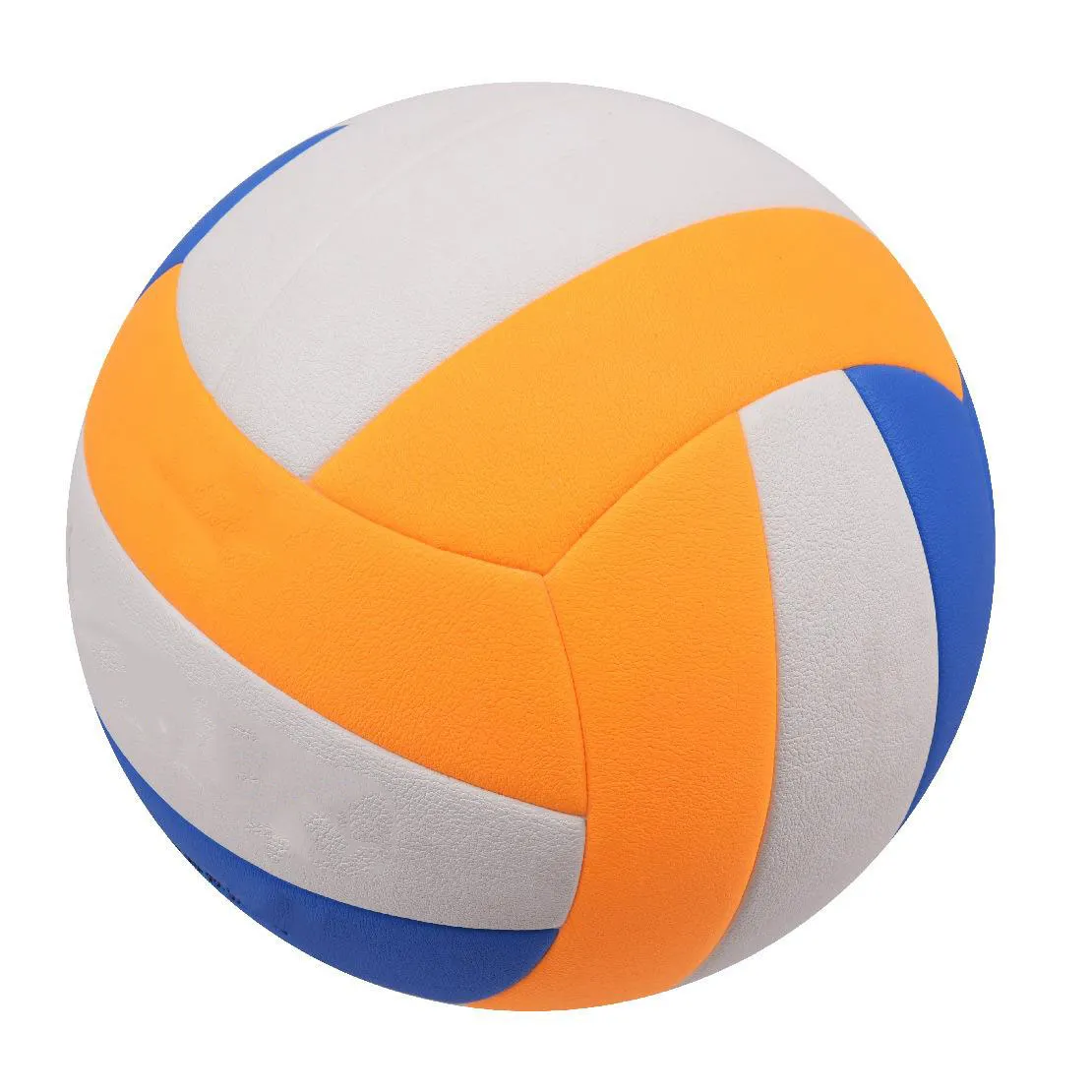
The quest for a single volleyball that performs flawlessly across both grass and sand surfaces hinges on specific design features that define a true all-terrain outdoor volleyball. Understanding the unique demands of a beach volleyball and the technological advances in the volleyball skin is key to identifying a ball that offers consistent performance, durability, and the right feel for any casual or competitive game, no matter the setting.
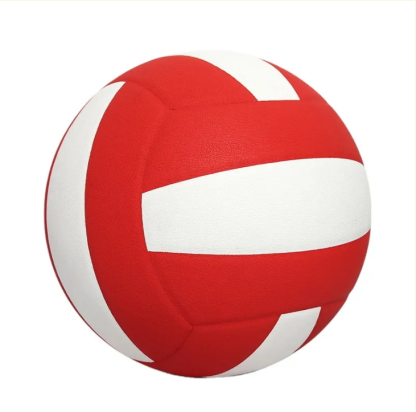
Engineered for Performance as a Beach Volleyball
A ball designed to function as a capable beach volleyball must possess inherent qualities that address the challenges of a sandy environment, which directly contribute to its versatility on grass as well.
• A genuine beach volleyball is typically lighter in weight and has a softer internal pressure compared to an indoor ball. This design prevents the ball from moving too quickly in the air, which is ideal for the longer, higher rallies common in beach volleyball, and this characteristic also makes it safer and more comfortable for recreational play on grass.
• The construction of a high-quality beach volleyball prioritizes a textured surface that can grip sandy, wet, or sweaty hands without absorbing moisture. This feature, essential for control in a traditional beach volleyball setting, provides an exceptional grip on grass, allowing for precise sets and powerful spikes even in dewy morning conditions.
The Critical Role of a Durable Volleyball Skin
The outer layer, or volleyball skin, is the first line of defense against the abrasive nature of sand, grass, and pavement, making its composition the most critical factor in the ball's all-terrain suitability and longevity.
• The volleyball skin on a versatile outdoor model is made from a specially formulated, thick PVC or composite material that is highly resistant to scuffing, scraping, and UV damage. This rugged volleyball skin ensures the graphics and structural integrity of the ball remain intact despite repeated impacts with the ground on any surface.
• Beyond mere durability, the texture of the volleyball skin is microscopically designed to maximize contact with the player's forearm and hands. This enhanced grip provided by the advanced volleyball skin is crucial for executing technical plays like digs and sets on a windy beach and provides superior control during dynamic rallies on a grass court.
Defining the Versatile Outdoor Volleyball
The term outdoor volleyball encompasses a category of balls built for resilience and consistent performance across non-traditional courts, with a design philosophy that prioritizes adaptability and player enjoyment.
• A true outdoor volleyball is engineered for weather resistance. Its materials and construction prevent water absorption, ensuring the ball doesn't become waterlogged and heavy from morning dew on the grass or occasional splashes near a pool, maintaining its predictable flight path and bounce.
• The ultimate outdoor volleyball offers a balanced feel that bridges the gap between the soft touch of a beach ball and the firmer response of an indoor ball. This versatility makes a premium outdoor volleyball the perfect single-ball solution for players who frequently transition between sand, grass, and recreational indoor settings.
Beach Volleyball FAQs
Q: Can a regular Outdoor Volleyball be used on the beach, or do I need a dedicated Beach Volleyball?
A: A regular Outdoor Volleyball isn’t ideal for the beach—most are designed for hard surfaces (concrete/grass) and lack sand-resistant features. Dedicated Beach Volleyball has a tightly woven, water-repellent surface that prevents sand from getting trapped in seams, plus a softer grip for wet conditions. Using a standard Outdoor Volleyball on sand will lead to faster wear (sand abrades the surface) and inconsistent bounce, so it’s better to invest in a Beach Volleyball for beach play.
Q: How do I clean and maintain Volleyball Skin to prevent it from peeling or fading, especially for outdoor use?
A: To care for Volleyball Skin, first remove dirt/sand with a dry brush (for beach/outdoor balls) to avoid scratching the surface. Then wipe it with a soft cloth dampened with warm water—never use soap, detergent, or harsh cleaners, as these break down the skin’s coating and cause peeling. For UV protection (to prevent fading), store the ball in a shaded, cool place when not in use. If Volleyball Skin starts to peel slightly, avoid picking at it—small peeling areas can be sealed with a tiny amount of clear, flexible glue (e.g., rubber cement) to stop further damage.
Q: What’s the difference in weight and bounce between a Beach Volleyball and an Outdoor Volleyball for grass/concrete courts?
A: Beach Volleyball is slightly lighter (260-270g) than most Outdoor Volleyball (270-280g) to account for wind resistance on open beaches. Its bounce is also softer—this helps players handle the ball easily when hands are sandy or wet. Outdoor Volleyball (for grass/concrete) has a firmer bounce to compensate for hard surfaces and is heavier to maintain stability on windy days (but not as light as Beach Volleyball). Using the wrong type can throw off your game—e.g., a heavy Outdoor Volleyball will be harder to hit on sand, while a light Beach Volleyball may blow around too much on concrete.
Q: Can I replace Volleyball Skin if the original one gets damaged, or do I need to buy a new volleyball entirely?
A: Yes, you can replace Volleyball Skin if the bladder (inner air holder) is still intact—this is cheaper than buying a new volleyball. First, check if the skin is compatible with your volleyball’s size (e.g., Size 5) and bladder type (butyl/rubber). To replace it, deflate the ball completely, peel off the old skin, then stretch the new Volleyball Skin over the bladder, aligning the seams. Inflate the ball slowly to ensure the skin sits evenly—avoid over-inflating, as this can tear the new skin. Note: Not all volleyballs have replaceable skins (some are glued permanently), so check the manufacturer’s specs first.
Q: How do I protect an Outdoor Volleyball from rain and sun damage during long outdoor tournaments?
A: To protect Outdoor Volleyball from rain, keep it in a waterproof bag when not in use—if it gets wet, wipe it dry immediately with a towel to prevent water from seeping into seams (which can cause mold or bladder damage). For sun protection, avoid leaving it in direct sunlight for hours—use a shaded cooler or tent to store it, as UV rays fade the surface and weaken the material. If the tournament is all-day, rotate between 2-3 Outdoor Volleyballs (keeping unused ones shaded) to reduce wear on a single ball. After the tournament, clean the ball with warm water and let it air-dry fully before storing.