Dec . 11, 2025 07:30
Why Soccer PU Stands Out in Industrial Equipment
Having spent well over a decade in the industrial equipment sector, I’ve come across countless materials and products, but soccer PU always piques my interest for its unique balance of durability and flexibility. Oddly enough, it’s not just for sports balls anymore — it’s become quite a staple in various industrial applications where toughness meets a bit of give.
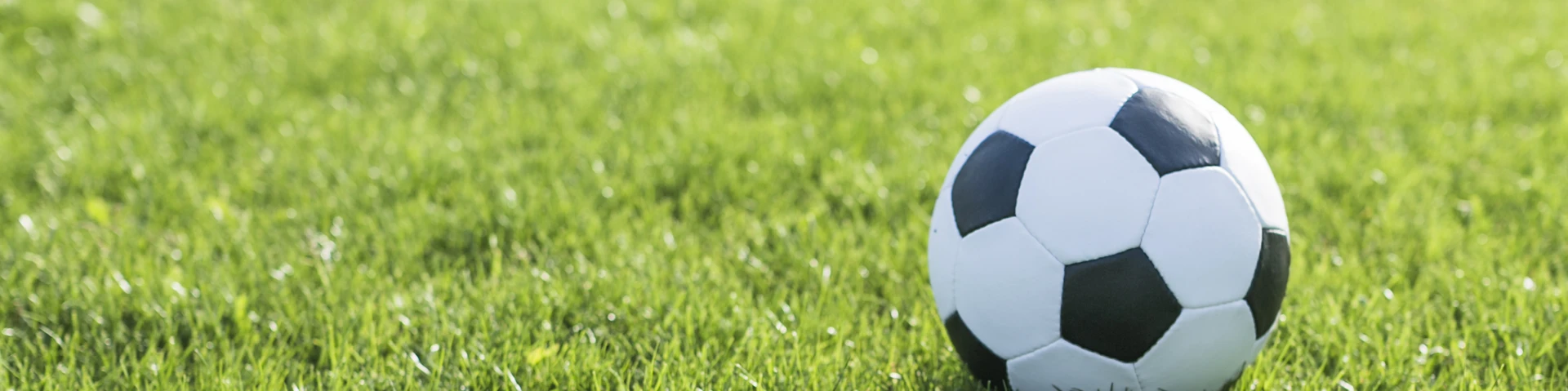
Now, if you’re wondering what exactly “soccer PU” refers to, it’s essentially polyurethane that's used in high-quality soccer balls, prized for maintaining shape and withstanding repeated impacts. But there’s an industrial twist here: the same properties that make it perfect for sports gear have engineers nodding approvingly when it comes to other uses like protective gear components, conveyor belts, and even some robotic grippers.
I suppose it makes sense when you think about it. This kind of PU isn’t your run-of-the-mill plastic; it’s designed to absorb impact, resist abrasion, and stay flexible over a wide temperature range. I recall a project where we tested various materials for heavy-duty equipment lining, and soccer PU scored remarkably well against standards, especially in wear resistance.
| Specification | Description |
|---|---|
| Material Type | Polyurethane (soccer-grade) |
| Hardness | 70-85 Shore A |
| Tensile Strength | 35-50 MPa |
| Elongation at Break | 400-600% |
| Abrasion Resistance | High – Ideal for rough handling |
| Operating Temperature | -40°C to 80°C |
One side effect of its robust nature is customization flexibility. Many industrial users appreciate being able to tweak thickness, additives, or surface texture, depending on whether they’re lining a chute or crafting resilient seals. Frankly, that adaptability is gold when you're trying to balance cost and longevity.
Comparing suppliers in this niche can be a bit of a chore, though. I’ve tracked three main vendors who consistently deliver quality soccer PU, each with its own quirks:
| Vendor | Quality | Customization | Pricing | Lead Time |
|---|---|---|---|---|
| StarryBalls Inc. | Excellent | Highly Flexible | Mid-range | 3-4 weeks |
| PolyCraft Solutions | Good | Limited | Lower | 2-3 weeks |
| Duratex Materials | Excellent | Moderate | Higher | 4-5 weeks |
From my experience, StarryBalls stands out—not just because of their steady lead times, but also the consistency I’ve witnessed in field testing. I recall a case where an end-user integrated their PU into conveyor rollers, running heavy industry loads for over six months with hardly any signs of degradation. That was reassuring. Also, speaking personally, the customer service felt responsive, which isn’t always a given in this line of work.
In real terms, choosing the right soccer PU means balancing toughness with flexibility and sometimes having a supplier who actually listens to your customization needs. If you ever get a chance, ask to see some lab test results — and don’t be shy about samples. That hands-on look and feel still beats reams of datasheets in my book.
So, if you’re considering materials for anything needing to bounce back just right—industrial cushions, protective coatings, or even high-performance seals—don’t overlook soccer PU. It’s clever stuff, honestly.
Takeaway: The unexpected durability and flexibility of soccer PU make it a quiet workhorse in industrial material choices—worth exploring for your next project.
- ASTM D412 - Standard Test Methods for Vulcanized Rubber and Thermoplastic Elastomers
- Material Science of Polyurethane Sports Equipment, Journal of Elastomers, 2020
- Industry Field Report: Conveyor Belt Linings, 2023