Dec . 11, 2025 04:20
Understanding the Soccer Official Ball Size
Having worked in industrial equipment for years, I've come across many products that require precise sizing and standards—soccer balls are no different. Oddly enough, the size of an official soccer ball is something that might seem trivial to an outsider, but in the sports manufacturing and retail world, it’s a detail people really obsess over. Frankly, it’s essential to get right because it affects gameplay, training, and even the lifecycle of the ball itself.
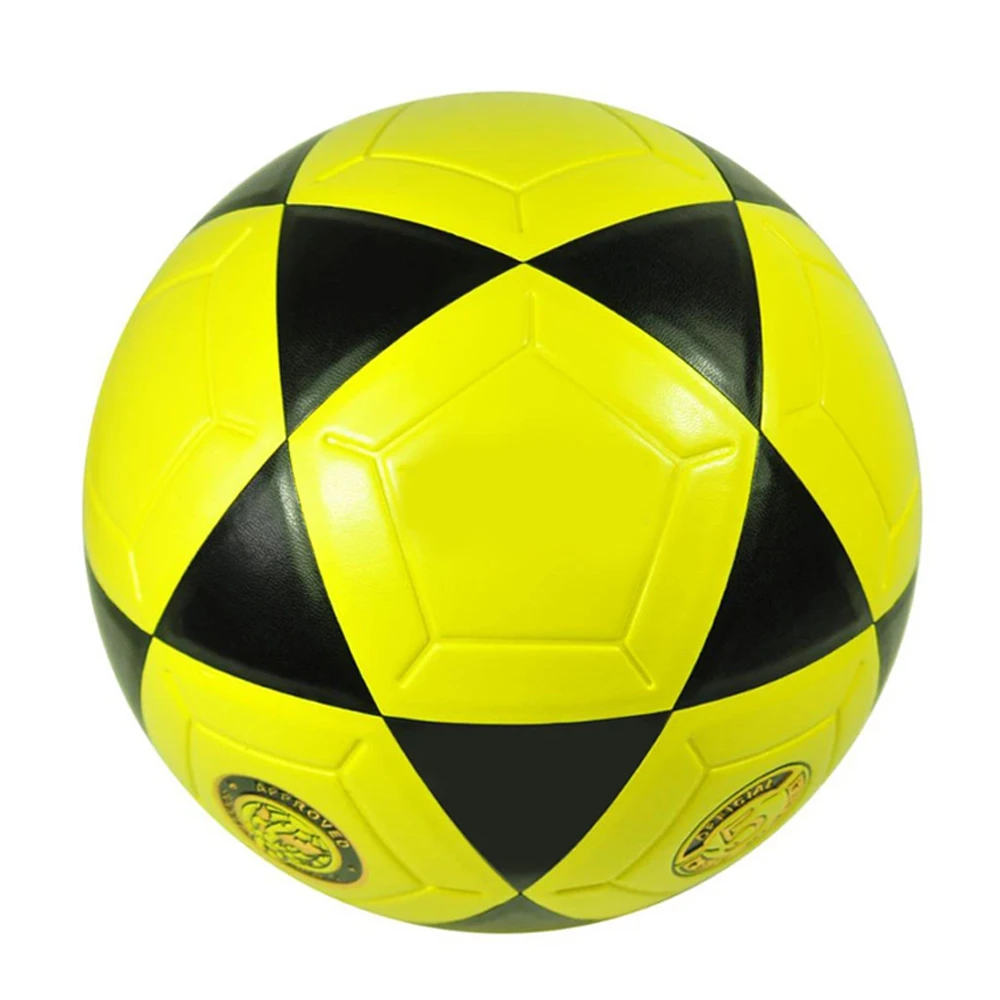
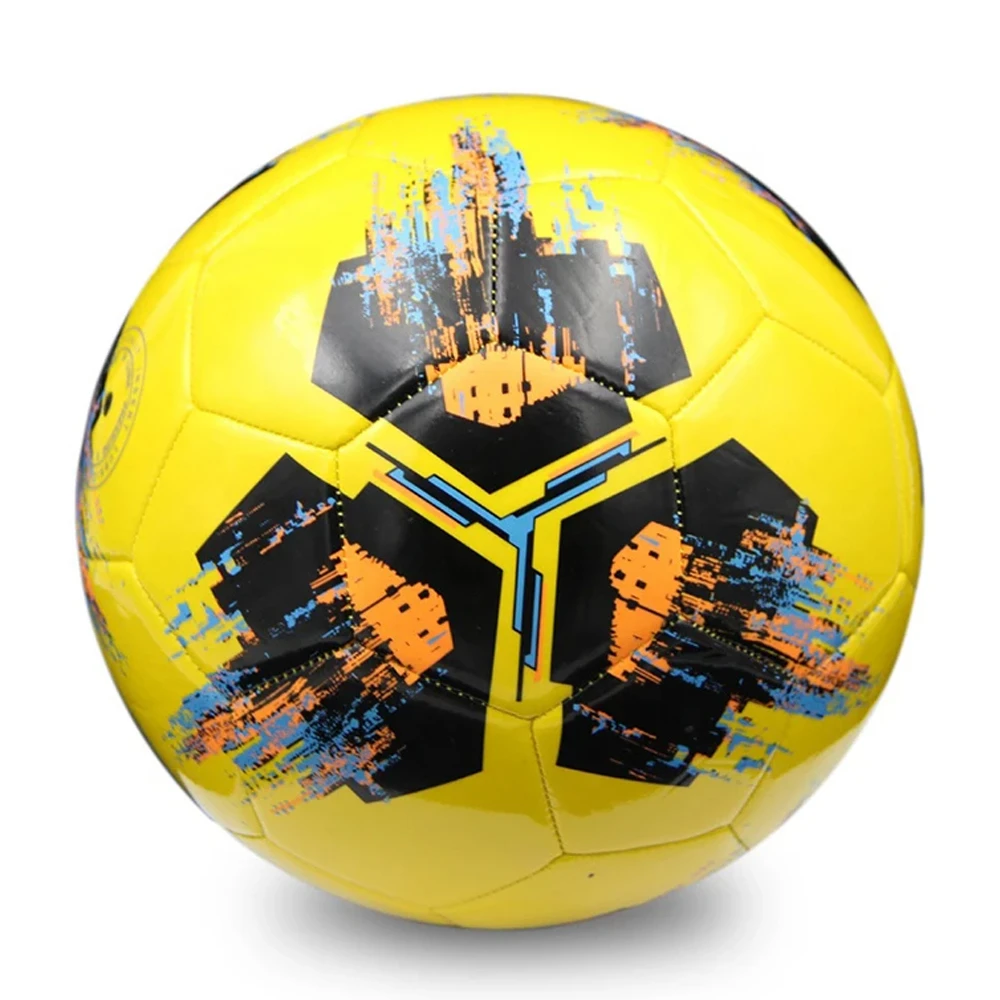
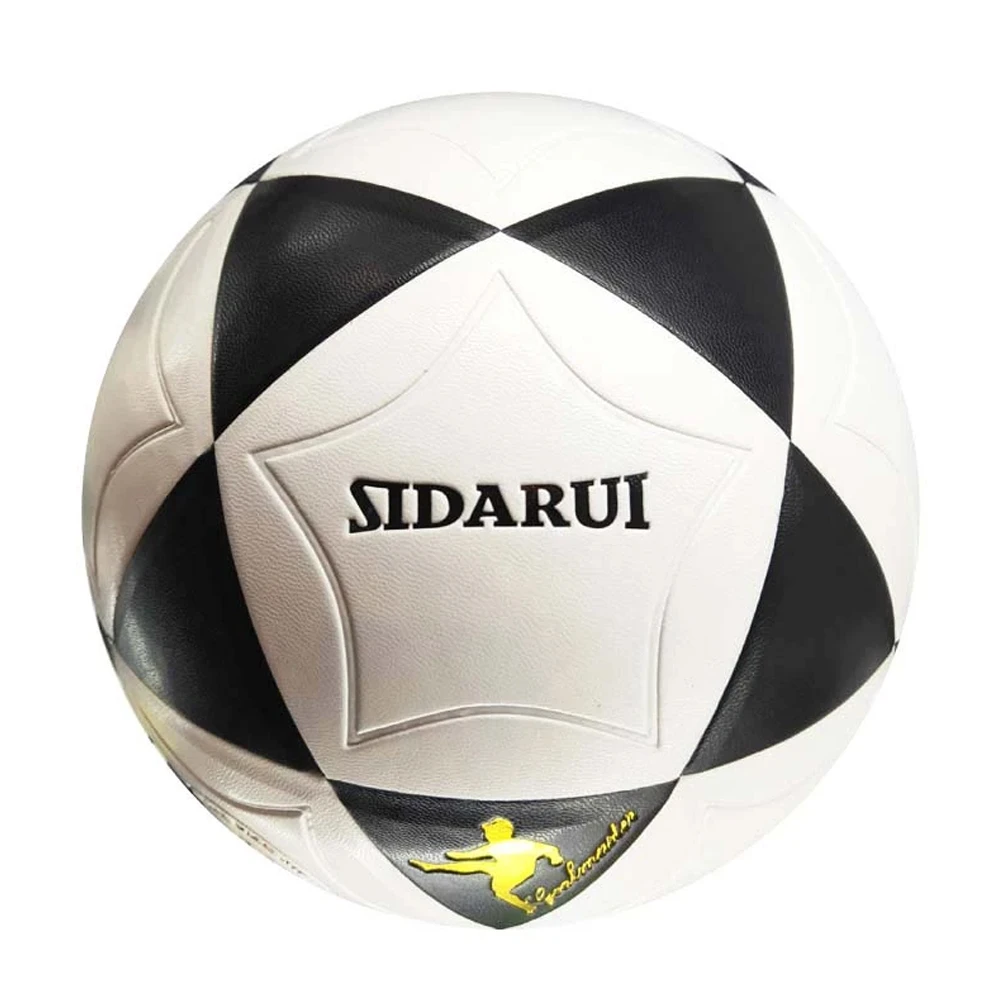
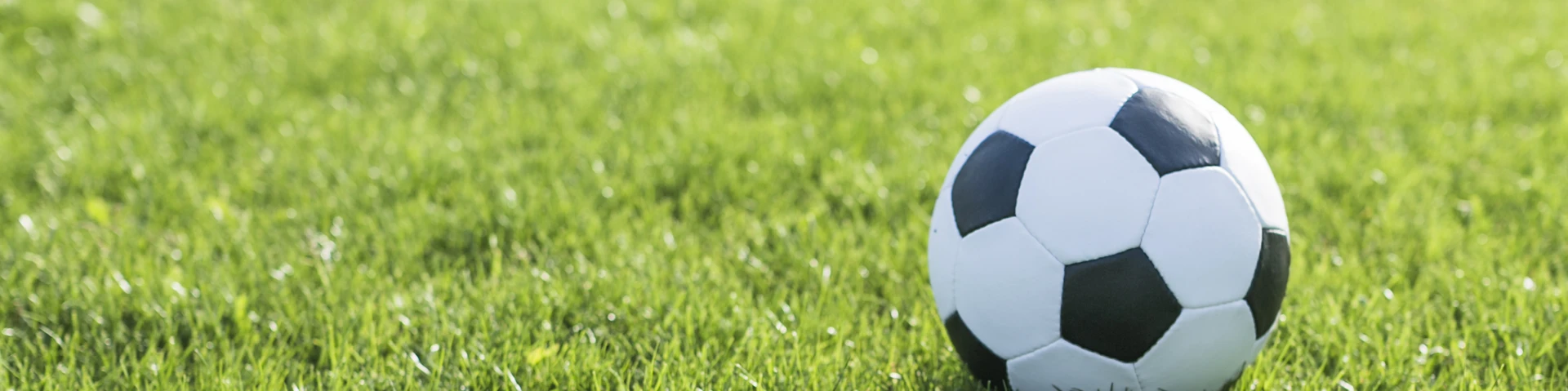
The official soccer ball size is standard across most top-level leagues and competitions worldwide. Known officially as FIFA ball size 5, this is the largest size used in professional matches, suitable for players aged 12 and older. It measures roughly 27 to 28 inches in circumference—give or take a millimeter depending on the manufacturer and testing methods.
If you wondered why size really matters, think about it this way: a slightly smaller or larger ball would affect how the ball behaves when kicked. The bounce, flight, and overall feel change, and a player gets used to a consistent weight and size. That’s why regulations require strict adherence to these dimensions. I noticed during my visits to factories in Asia and Europe that they conduct rigorous quality control to ensure every ball conforms to these exact specs.
Soccer Official Ball Size Specifications
| Specification | Details |
|---|---|
| Size | 5 (Official FIFA Regulation) |
| Circumference | 68–70 cm (27–28 inches) |
| Weight | 410–450 g (14–16 oz) |
| Pressure | 0.6–1.1 atm (8.5–15.6 psi) |
From what I’ve gathered, many manufacturers competing in this space put a lot of energy into slight variances in material and panel design. That “deep industrial” understanding of material behavior under different weather and usage conditions is part of what sets premium balls apart. For instance, textured surfaces not only affect grip but also the aerodynamic behavior—especially critical in windy conditions or on wet pitches.
If you’re shopping for a soccer ball, or even a whole batch for your training center, you might want to look beyond just size and weight. Ball longevity, grip, water resistance, and even branding affect the value. Some brands mix polyurethane and polyester to achieve different flex and durability characteristics; others rely on natural latex bladders for superior touch but at a higher cost.
Vendor Comparison: Choosing the Right Official Size Soccer Ball
| Vendor | Material | Durability | Price Range | Recommended Use |
|---|---|---|---|---|
| StarryBalls (official size) | Polyurethane shell, latex bladder | High (FIFA Quality Pro certified) | $40–$60 | Professional training, competition |
| ClassicPlay | PVC outer, butyl bladder | Moderate | $20–$35 | Amateur, casual use |
| ProKick Sports | PU composite, butyl bladder | Good | $30–$50 | Youth leagues, training |
I’m reminded of a story from a local sports club I visited last year. They switched from lower-grade PVC balls to official size balls made by an established brand. The difference was palpable — even the youngest players seemed to enjoy games more, and the coach mentioned that practice became noticeably more “real” in feel. It’s funny how a small change in equipment can impact motivation and skills development, you know?
In real terms, if you’re serious about soccer—whether you’re a player, coach, or retailer—knowing and insisting on the correct official ball size is key. And while price matters, don’t skimp on quality if the goal is authentic training or meaningful play. Soccer official ball size is more than just a label—it's really about the experience the ball gives on the pitch.
So next time you pick up a soccer ball, take a moment to check its size, material, and build—it's worth it. The ball's specs and its feel go hand-in-hand, as many engineers and field experts often say.
A small final thought: even the best equipment won’t replace passion—but it sure helps keep the game authentic.
References:
- FIFA Quality Programme Regulations, FIFA.com
- Material performance insights from Soccer Manufacturing Reports, 2023
- Interviews with sports club coaches and equipment managers, 2022–2023