Aug . 27, 2025 15:05
The beautiful game of football has captured hearts across continents, evolving from ancient ball games to today's global phenomenon. This sport transcends cultures and languages, uniting people through shared passion for the pitch. Whether discussing football types, exploring football bulk purchasing for teams, or debating the origins of the modern game, there's always something new to discover in the world's most popular sport.
Exploring Different Football Types
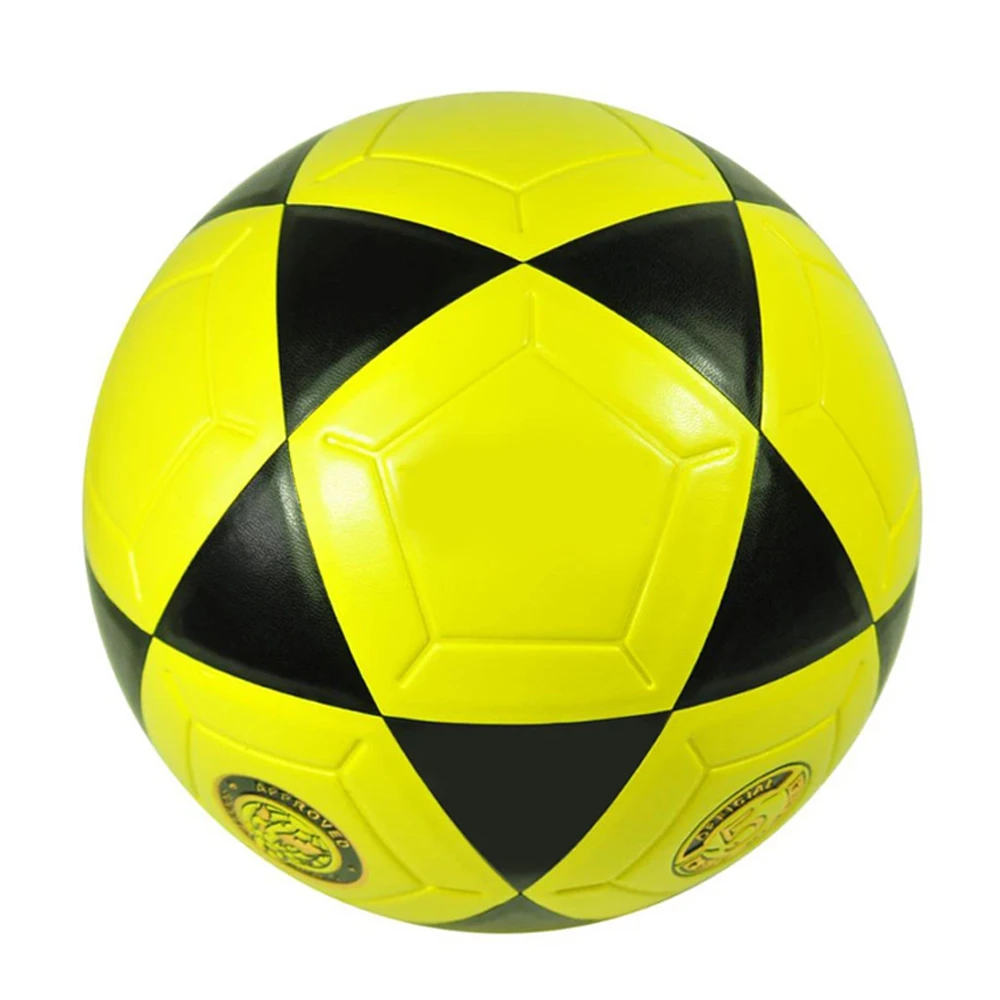
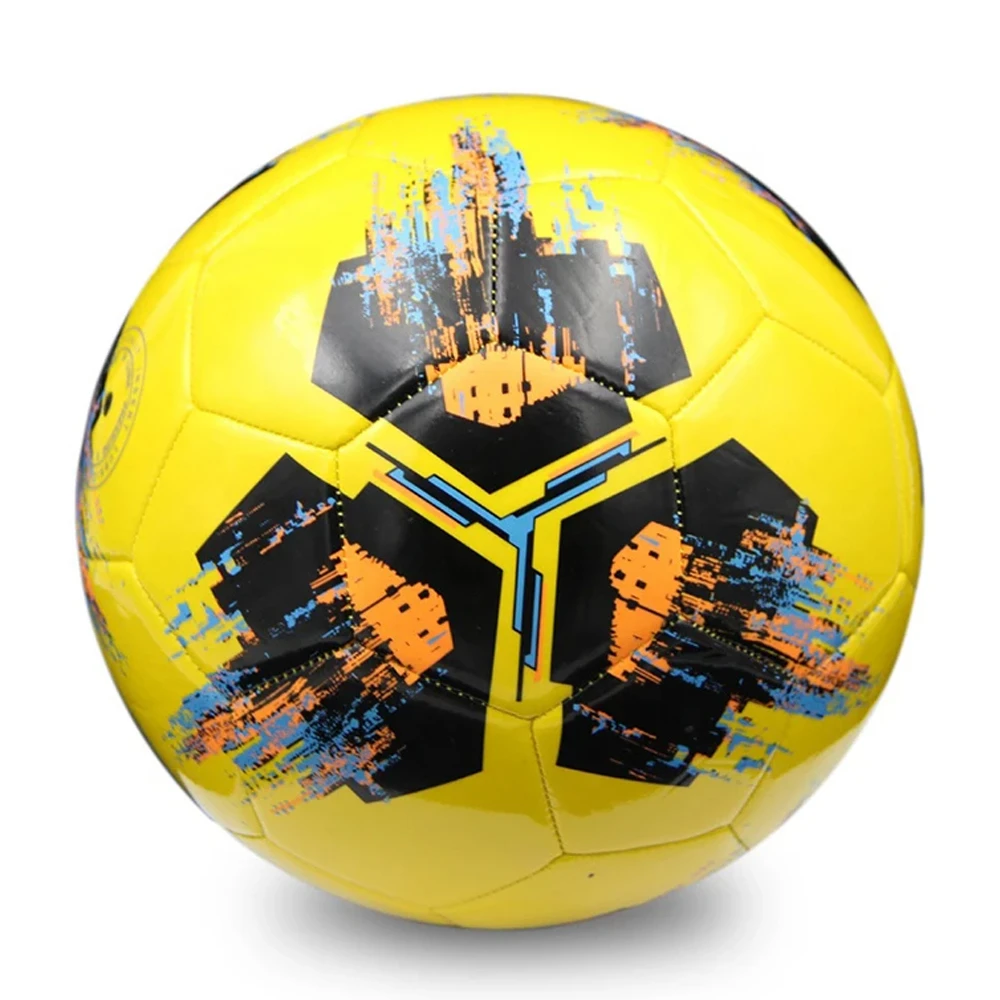
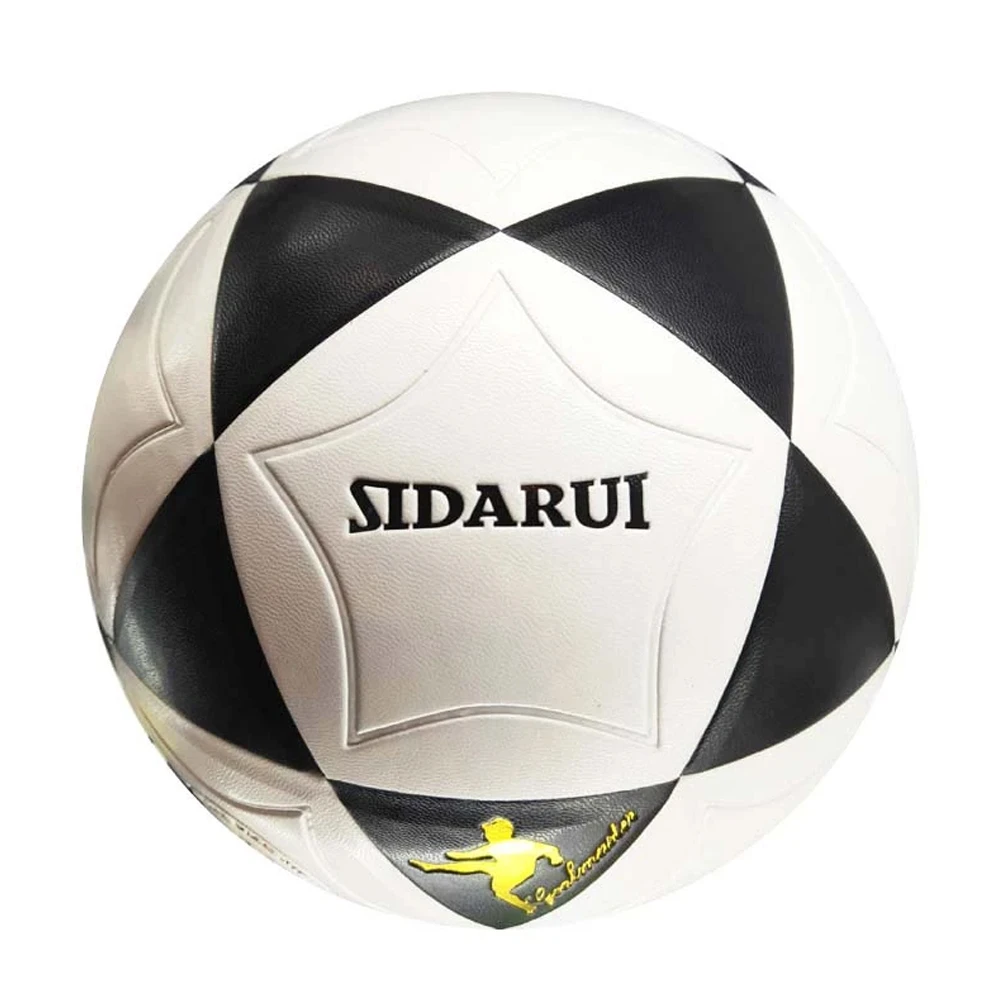
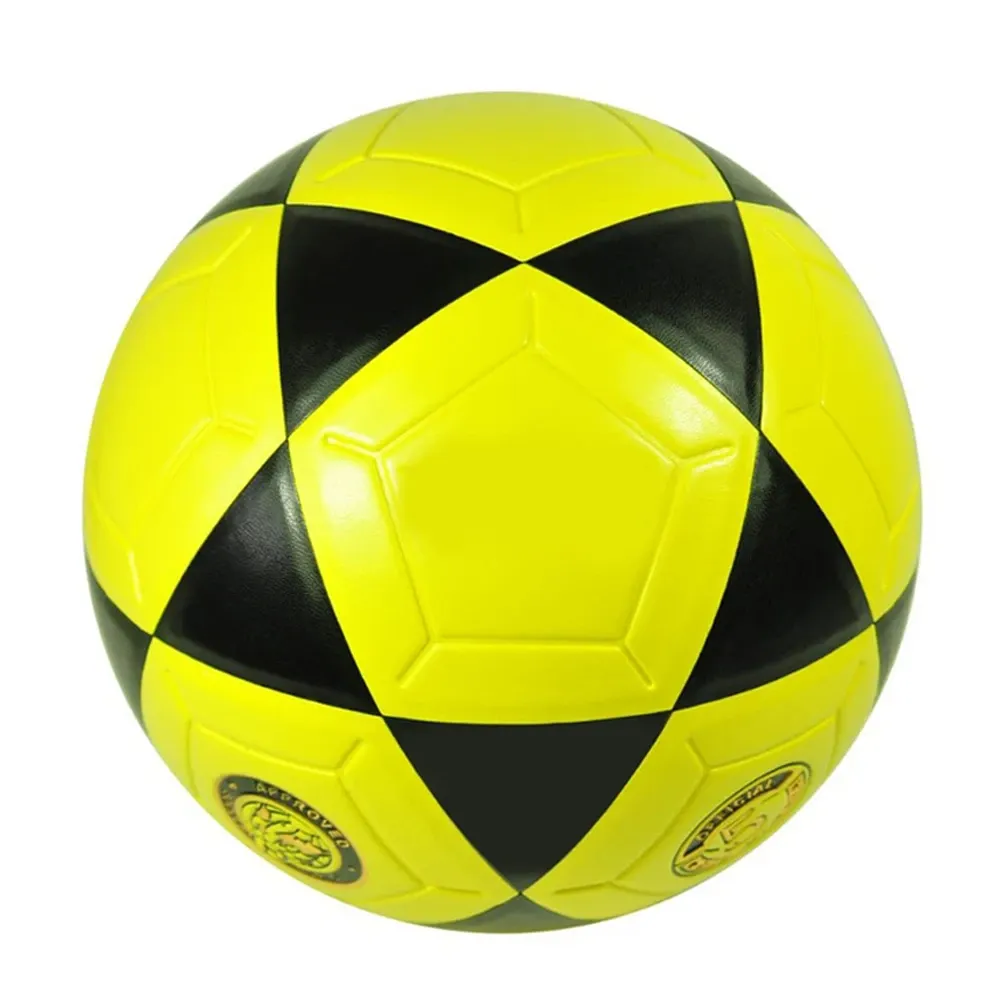
The variety of football types available today reflects the sport's diverse applications. From professional match balls with advanced aerodynamics to durable training versions designed for daily use, each type serves specific purposes. Recreational players might prefer softer constructions, while competitive teams seek precision-engineered models that respond predictably to every kick. The materials have evolved dramatically too, with modern synthetics offering better water resistance and durability than traditional leather. Specialized futsal balls with reduced bounce cater to indoor versions of the game, demonstrating how football adapts to different environments.
Understanding Football Bulk Purchases
For organizations and teams, football bulk orders present practical solutions for consistent equipment supply. Acquiring multiple units ensures uniformity in training sessions and matches, while often providing cost efficiencies. The logistics of bulk procurement involve considerations like storage conditions, seasonal demand fluctuations, and quality consistency across production batches. Many leagues standardize their football specifications to maintain fair play across all matches, making bulk purchases with certified suppliers essential for competitive integrity.
Factors Influencing Football Price
The football price spectrum reflects various quality tiers and technological innovations. Professional-grade balls command premium values due to their exacting manufacturing standards and rigorous testing protocols. At the other end, recreational options focus on affordability and durability for casual play. Between these extremes lie numerous options balancing performance characteristics with budget considerations. The price often correlates with construction quality, with hand-stitched versions typically outperforming machine-stitched alternatives in longevity and play characteristics.
Which Country Invented Football?
The question of which country invented football sparks fascinating historical debates. While modern codification occurred in England, ball games existed across ancient civilizations from China to Mesoamerica. The English public schools' standardization of rules in the 19th century created the foundation for today's global sport. However, similar games were played centuries earlier in various cultures, making football's evolution a truly multinational story of gradual development rather than single-point invention.
FAQs About Football
What distinguishes different football types?
The variations among football types primarily involve construction methods, materials, and intended use levels. Match balls undergo rigorous testing for weight, circumference, water absorption, and rebound characteristics to meet international standards. Training versions often prioritize durability over precision, using thicker materials that withstand frequent use. Recreational models focus on accessibility and comfort, sometimes featuring softer exteriors for beginner players. Indoor footballs have reduced bounce characteristics, while beach versions are designed to resist sand and water. The stitching technology also varies significantly, with thermal bonding creating seamless surfaces on high-end models while traditional stitching remains common for recreational options. Understanding these differences helps players select the most appropriate football for their specific needs and playing conditions.
How should organizations approach football bulk procurement?
When considering football bulk purchases, organizations should establish clear specifications aligned with their programs' requirements. Competitive teams typically need consistent models that meet league regulations, while community programs might prioritize affordability and durability. Quality control becomes paramount in bulk orders, requiring inspection samples before finalizing large shipments. Storage planning is equally important, as proper conditions prevent material degradation before use. Many suppliers offer volume discounts, but the cheapest option may prove costly long-term if quality compromises lead to frequent replacements. Establishing relationships with reputable manufacturers ensures reliable access to quality football equipment season after season.
What factors primarily determine football price variations?
The football price range reflects numerous production factors and performance characteristics. Premium balls feature advanced bladder systems that maintain air pressure longer and high-tech outer materials that provide superior touch and control. Manufacturing location affects costs, with hand-stitched models requiring more skilled labor than machine-produced versions. Brand reputation and player endorsements influence pricing at the professional level, while recreational options focus on value engineering. The cost of research and development for new technologies gets incorporated into prices of innovative models. Interestingly, the football price often correlates with playing experience - beginners might not notice differences that significantly affect professional players' performance.
What evidence supports claims about which country invented football?
Historical research into which country invented football reveals a complex evolution rather than a single origin point. England's claim stems from the 1863 formation of the Football Association and codification of modern rules. However, medieval Europe had various mob football games, while China's ancient cuju involved kicking balls through nets centuries earlier. The Greek episkyros and Roman harpastum featured ball-kicking elements. These diverse precursors suggest football emerged through cultural exchanges over millennia. The modern game's standardization in England provided the framework for international competition and global spread, making their contribution to organized football undeniable despite earlier ball-kicking traditions elsewhere.
How has football equipment evolved historically?
The journey of football equipment mirrors technological advancements across centuries. Early balls used animal bladders and leather casings, inconsistent in shape and performance. The transition to vulcanized rubber bladders in the late 19th century improved reliability. Modern synthetic materials replaced water-absorbent leather, while thermal bonding reduced stitching weaknesses. The football shape has become scientifically optimized for aerodynamics, with surface textures engineered for consistent flight patterns. These innovations transformed the game from unpredictable kicks with irregular balls to today's precision sport where equipment behaves predictably. The evolution continues with smart ball technology that tracks movement and impact, demonstrating how football remains at the forefront of sports equipment innovation.
From debating which country invented football to selecting the perfect football types for different play levels, the world's favorite sport offers endless fascination. Whether you're coordinating football bulk purchases for a league or simply enjoying a casual kickabout, understanding these aspects deepens appreciation for the beautiful game. The football price reflects centuries of innovation, while the sport's universal language continues connecting people across all boundaries.