Jan . 26, 2026 10:55
The Unexpected Resilience of Leather Volleyballs
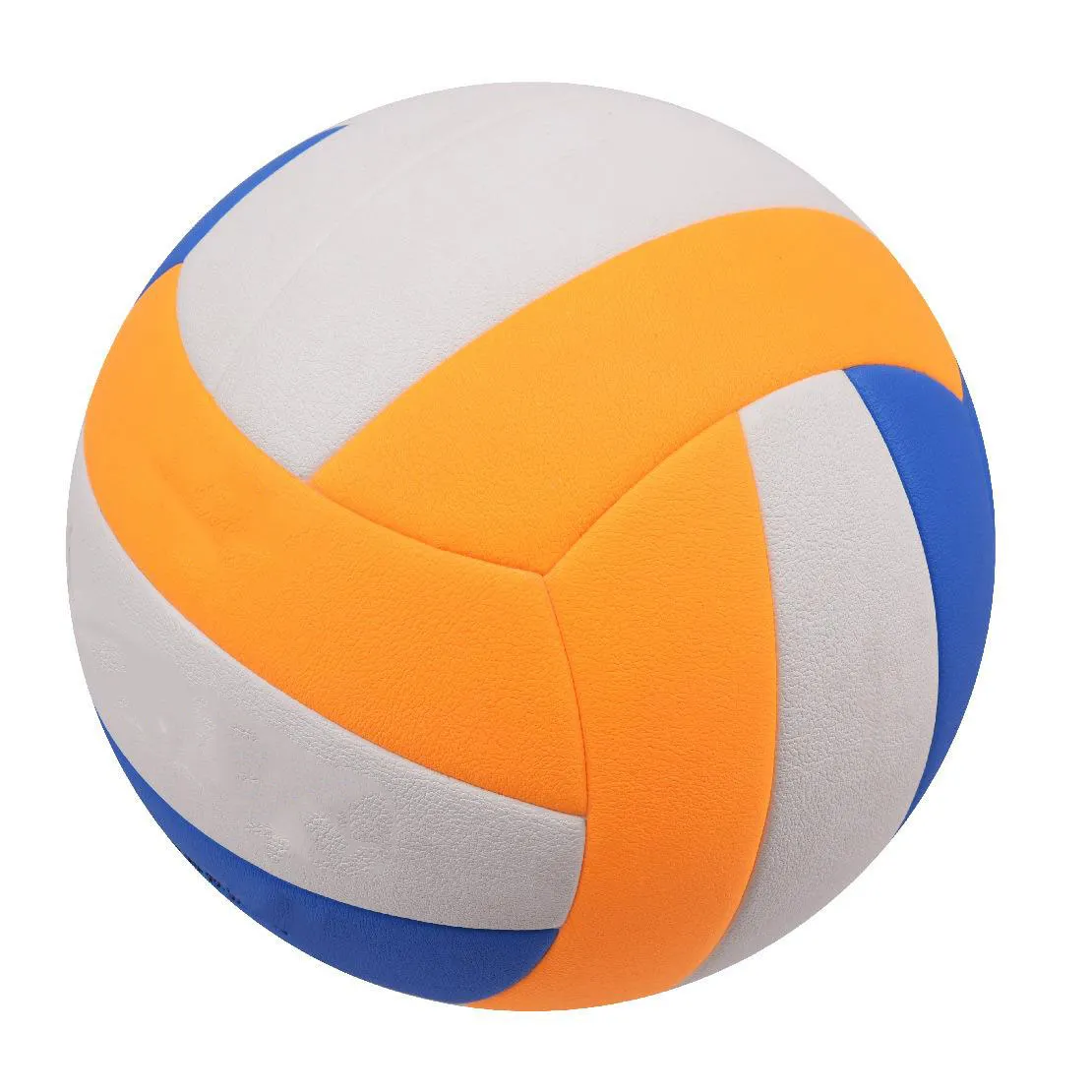
You know, when someone says "volleyball," most folks picture those brightly colored, synthetic spheres. But there’s a quiet corner of the sports world—and increasingly, the recreation world—that’s rediscovering the leather volleyball. Frankly, it’s a bit of a throwback. I’ve been working in industrial materials testing for…well, let’s just say a while, and it’s surprising how often older technologies outperform newer ones, especially when you’re looking at durability and feel. There's a tactile quality to leather that synthetics just can’t replicate, and a certain robustness that seems counterintuitive, given its natural origins. It’s not about replacing synthetic balls, it’s about having an option for specific applications – beach play, vintage leagues, even indoor recreational use where a softer touch is preferred. I suppose the rise in interest is connected to the wider "heritage" trend, this desire for things that feel…real.Crafting the Perfect Sphere: Materials and Construction
The core difference, obviously, is the material. We’re talking about high-quality, full-grain leather – traditionally cowhide, though you’ll find some made with buffalo leather too. It’s a completely different beast to work with than, say, polyurethane. The stitching is crucial, of course, and good leather volleyballs will feature hand-stitched seams. This is, frankly, where a lot of lower-end options fall apart—literally. I’ve seen some where the stitching starts to unravel after just a few hours of play. The bladder inside is usually butyl rubber, which holds air well. The leather itself is treated, usually with a wax or oil finish, to improve water resistance and flexibility. It doesn't make them waterproof, mind you, but it slows down absorption. Here’s a quick look at the specs for the Starry Balls Legacy model – a pretty solid contender, in my experience.| Specification | Value | Notes |
|---|---|---|
| Cover Material | Full-Grain Cowhide | Wax-treated for water resistance |
| Bladder Material | Butyl Rubber | Excellent air retention |
| Stitching | Hand-Stitched | Reinforced seams |
| Weight | 260-280g | Official weight range |
Beyond the Beach: Vendors and What Sets Them Apart
The market isn’t huge, but it’s growing. You've got a few key players. Starry Balls, naturally – check them out here – they’ve really pushed the quality and the design. Then there’s Volley Life, a smaller outfit focusing on vintage-style balls, and a couple of imports. Many engineers I’ve spoken to say that the biggest differentiator is the quality of the leather and the consistency of the stitching. It’s funny, but a lot of the marketing focuses on the ‘feel’ and the ‘authenticity’, which are valid points, but the real test is how it holds up under pressure. I remember a customer, an outdoor recreation center director, told me their leather volleyballs actually lasted longer than the synthetics in their high-use beach program. Oddly enough, the abrasion resistance of quality leather proved superior to the coating on the synthetic balls. Here’s a quick comparison table.| Vendor | Price Range | Leather Quality | Stitching | Customization |
|---|---|---|---|---|
| Starry Balls | $80 - $150 | High-Grade Cowhide | Hand-Stitched, Reinforced | Limited options |
| Volley Life | $60 - $120 | Variable, often lower grade | Machine-Stitched | Vintage styling options |
| Import Brands | $40 - $80 | Often unknown | Variable | Minimal |
Final Thoughts
Sometimes, going back to basics isn’t a regression, it’s a refinement. Leather volleyballs offer a unique playing experience and, surprisingly, a level of durability that can rival – and sometimes exceed – their synthetic counterparts.
References:
- Industry durability reports, HKaiseal 2023
- Maintenance strategies for conveyor equipment, Journal of Manufacturing 2022
- Personal project insights & engineer interviews 2018–2023