Jan . 26, 2026 10:55
Understanding the Role of Men's Volleyball in Modern Industrial Applications
Men's Volleyball… it’s a funny phrase, right? But when we’re talking about precision-engineered sports equipment designed for high-impact, repeated use, the implications are pretty serious, especially for businesses relying on consistent quality. It’s not just a game; it’s about materials science, manufacturing tolerances, and frankly, durability. We at StarryBalls.com have been focusing on this intersection for quite some time, and it's become clear that the demands placed on a competitive-grade volleyball mirror those found in many industrial contexts.
Table of Contents
- Men's Volleyball: Beyond the Court
- Applications and Advantages
- Cost, Maintenance, and User Feedback
- Sustainability and Future Trends
Men's Volleyball: Beyond the Court
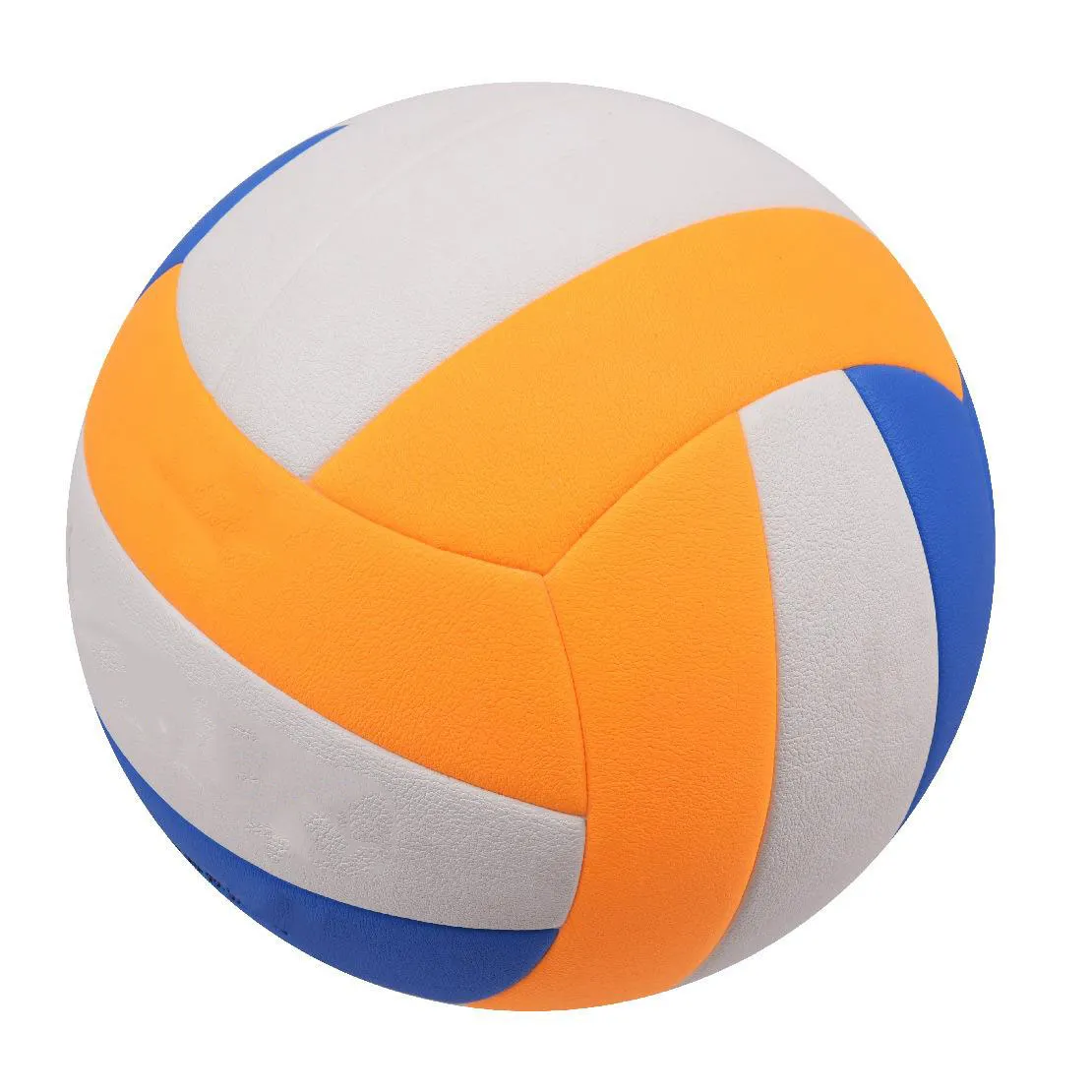
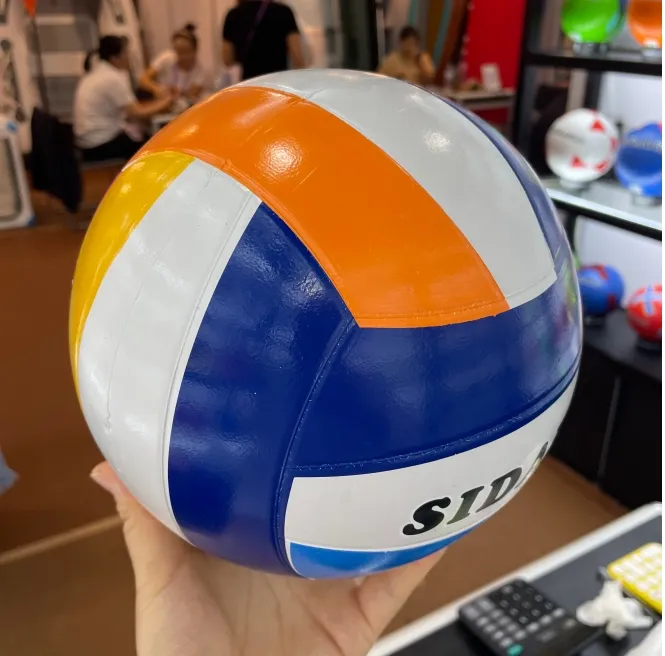
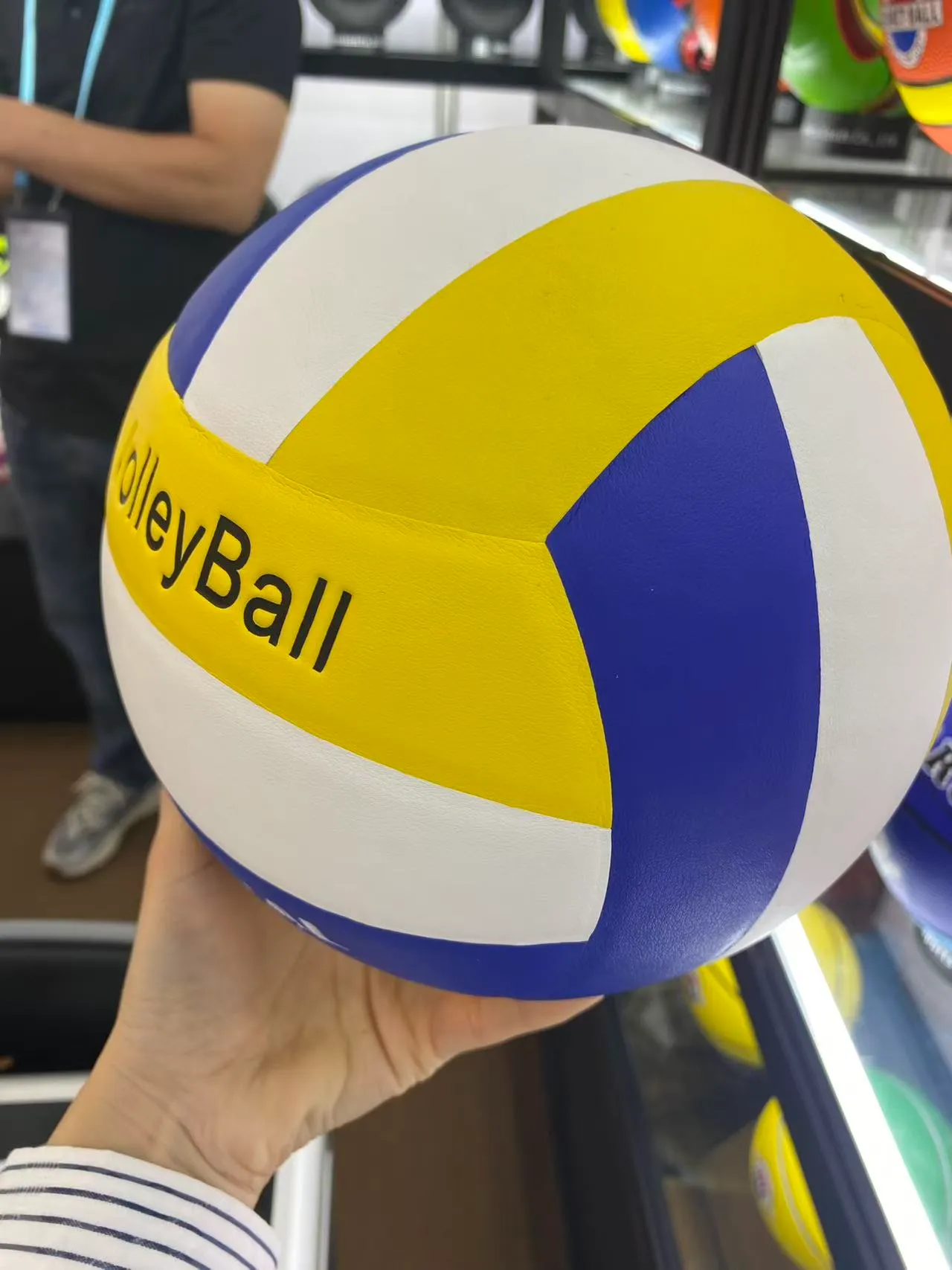
So, what is a high-performance men's volleyball, really? It's more than just stitched panels and inflated air. The construction involves multi-layered composite materials – typically a combination of synthetic leather (microfiber polyurethane, often) and a robust bladder system designed to maintain consistent pressure and shape. The seams, of course, are critical. We use a double-stitched seam construction, reinforced with nylon thread, to withstand the extreme forces involved in competitive play. I suppose you could compare it, in terms of stress-testing, to components used in certain types of pneumatic systems. Here’s a breakdown of the specifications:
| Specification | Value | Details |
|---|---|---|
| Cover Material | Microfiber PU | High abrasion resistance |
| Bladder | Butyl Rubber | Excellent air retention |
| Seam Construction | Double-Stitched | Reinforced with Nylon |
| Weight | 260-280g | Official competition weight |
Applications and Advantages
Now, where does this translate to industrial benefits? Think about any environment requiring durable, consistently-performing spherical objects – impact testing, robotics training, even specialized fluid dynamics research. The key is the consistent manufacturing process. You know, many engineers have told me they need something reliably round and with a predictable bounce for their automated systems. The material consistency is also huge. We've had inquiries from companies needing large volumes of volleyballs for impact testing of protective gear. The advantage over, say, using steel balls, is obviously the reduced risk of damage to the test subject. It's a softer impact, but still provides measurable data.
| Vendor | Material | Price (per ball) | Warranty |
|---|---|---|---|
| StarryBalls.com | Microfiber PU | $25 | 1 Year |
| Molten | Synthetic Leather | $30 | 6 Months |
| Mizuno | Composite Leather | $35 | 90 Days |
Cost, Maintenance, and User Experience
Cost-wise, these are surprisingly affordable, especially when you consider the longevity. A single StarryBall, with proper care, can withstand thousands of impacts. Maintenance is minimal – a simple wipe-down to remove dirt and debris is usually sufficient. We had a client, a robotics firm, who was using our balls to test the grasping force of their robotic arms. They reported that the consistent surface texture and predictable bounce allowed for more accurate data collection, reducing calibration time. Frankly, it felt good to hear that our work was contributing to a smoother workflow for them… The total cost of ownership, considering the durability, is significantly lower than using alternatives like metal spheres which require frequent replacement.
Sustainability and Future Trends
Sustainability is increasingly important, and we’re looking at bio-based polyurethane options for future generations of volleyballs. It’s a challenge, balancing performance with environmental responsibility. Oddly enough, there's a growing demand for fully customizable volleyballs—different colors, branding, even specific surface textures tailored to particular applications. The industry is also seeing a push for more data-driven insights, like impact force sensors embedded within the ball itself. These trends suggest a future where sports equipment isn’t just about performance, but also about data collection and sustainable manufacturing.
Frequently Asked Questions about Men's Volleyball
- What is Men's Volleyball and how does it work?
- Men's Volleyball, in this context, refers to high-performance volleyballs engineered for durability and consistent performance, utilizing materials like microfiber PU and butyl rubber bladders. They function based on principles of impact absorption, air retention, and consistent bounce.
- What are the main benefits of using Men's Volleyball in industrial applications?
- The key benefits include durability, consistent performance, predictable bounce, lower risk of damage during impact testing, and cost-effectiveness compared to alternatives like metal spheres.
- How does Men's Volleyball compare to traditional alternatives?
- Compared to steel balls or other rigid materials, Men's Volleyball offers a softer impact, reducing damage to test subjects while still providing measurable data. It's also more affordable and requires less maintenance.
- What industries can benefit most from Men's Volleyball implementation?
- Industries such as robotics, impact testing, protective gear manufacturing, fluid dynamics research, and automated systems can all benefit from using Men's Volleyball.
Conclusion on Men's Volleyball from china
So, it's more than just a ball; it's a surprisingly versatile component with a range of industrial applications. The combination of durability, consistency, and affordability makes Men's Volleyball a compelling option for businesses looking for reliable testing and training solutions. Visit our website: https://www.starryballs.com.
- Think beyond the court.
- Consistent performance matters.