Dec . 05, 2025 15:53
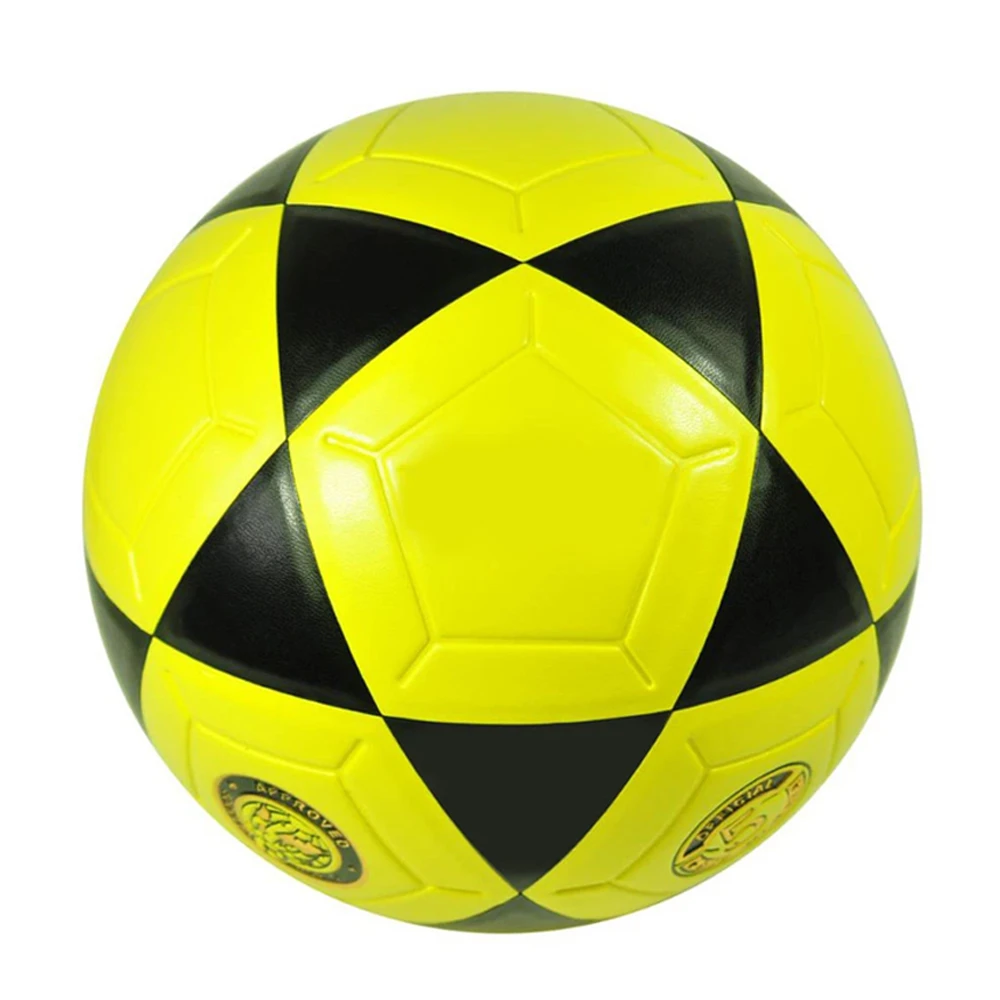
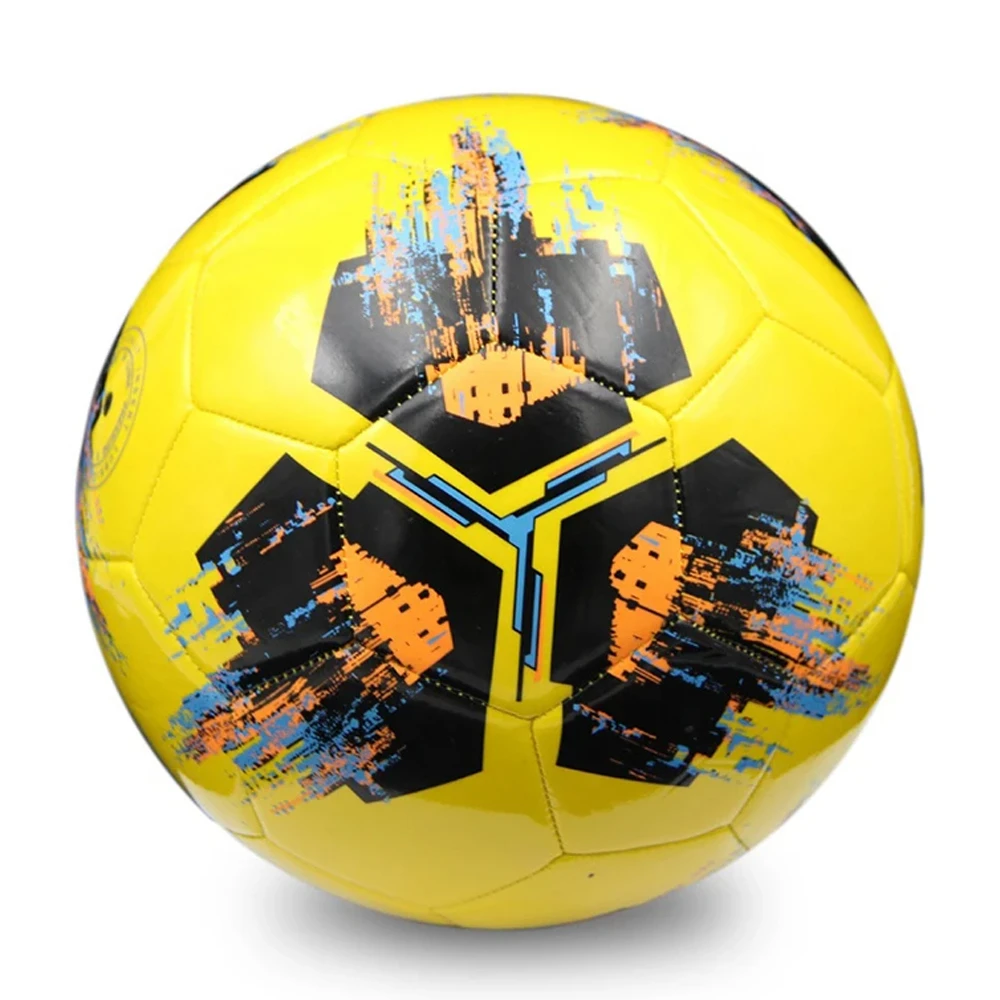
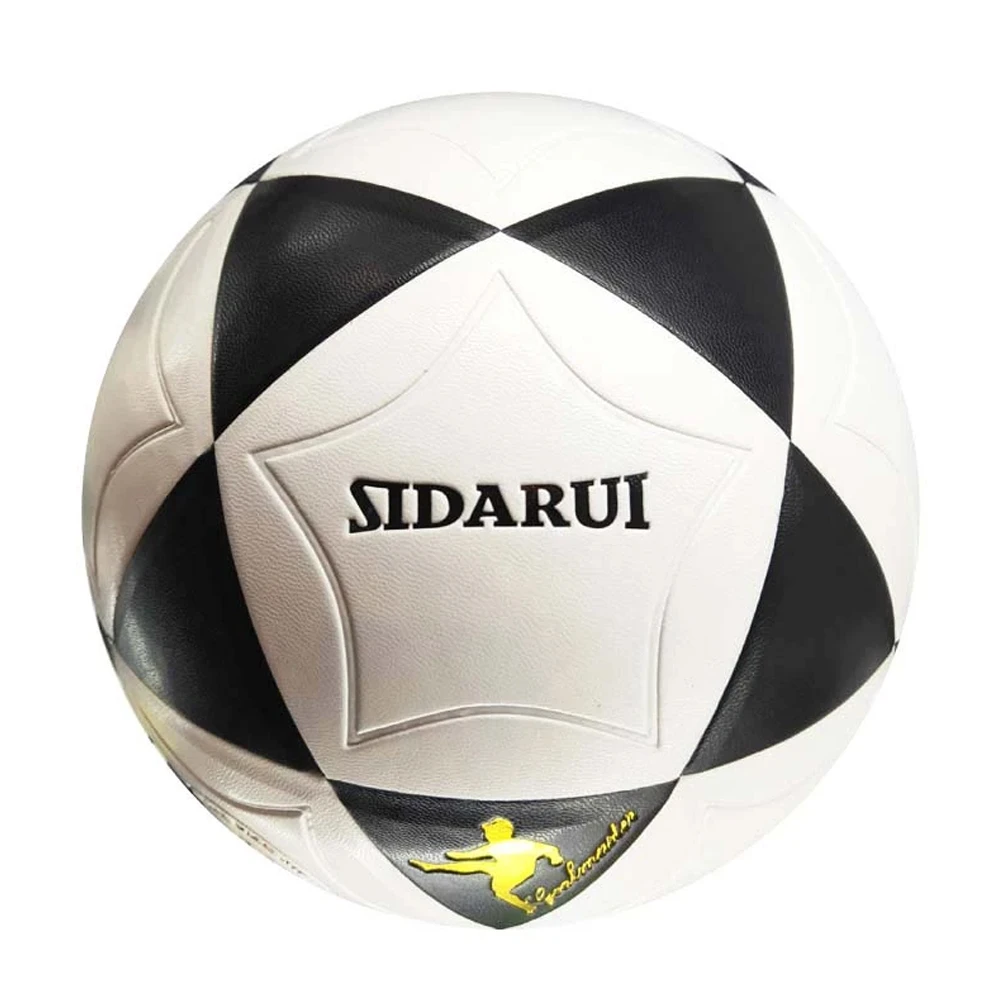
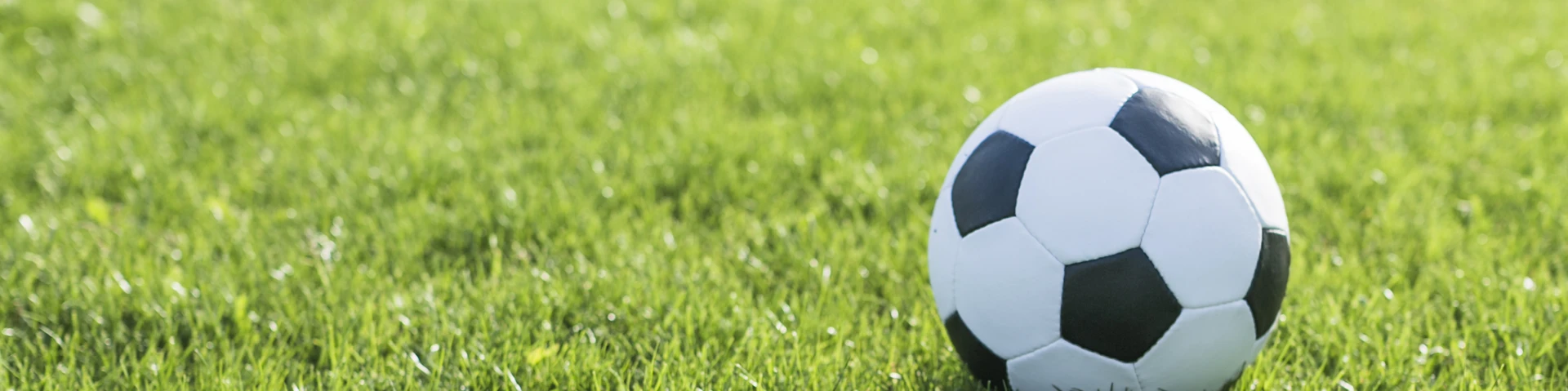
A Size 5 soccer ball is the standard for adult and competitive play: roughly 68–70 cm in circumference and 410–450 g in weight, and must meet match-quality measurements set by the Laws of the Game.
If you’re shopping for a durable, high-performing bulk soccer balls size 5 — whether for a club, school, or retail — material and construction matter more than looks. Below I compare leather vs synthetic casings, old-school stitched panels vs modern machine/thermobonded methods, and give practical buying guidance.
Leather vs synthetic soccer balls: which is better for size 5?
Short answer: for most modern Size 5 balls, high-quality synthetic (PU/TPU) is the best all-round choice. Genuine leather has historical charm and feel, but it’s rarely used on new match/training balls because it absorbs water and changes weight and shape in wet conditions.
Why synthetic often wins
-
Water resistance & consistency. PU and TPU casings are engineered to resist water absorption, so the ball keeps its weight, touch, and flight even in rain — essential for repeatable performance. PU is commonly used on higher-end match and training balls because it balances softness, durability and consistent flight.
-
Durability and abrasion resistance. Modern synthetics are designed to withstand rough turf, repeated striking, and long training sessions; leather, unless heavily treated, will scuff and degrade faster outdoors.
-
Cost and maintenance. Synthetic Leather Soccer Ball(PU soccer ball/PVC Soccer Ball/TPU soccer ball) cover a wide price range: PVC for budget, TPU for mid-range durability, and PU for premium feel. PU balls require care (cleaning, correct storage) to keep premium feel, but they outperform leather in real-world conditions.
When leather still makes sense
-
Indoor, dry training or nostalgic collections. Full-grain leather provides a distinct tactile feedback some players love for controlled passing in dry, indoor settings. But for youth, clubs, or outdoor play, synthetics are safer and more practical.
StarryBalls example: many of Starry’s Size 5 products feature PU or PVC outer layers and are sold as training or match balls — a practical reflection of the market preference for synthetics in bulk and team purchases.
Classic stitched panels vs. modern machine-stitched / thermobonded balls
Construction determines how a ball behaves in the air, how it feels on the foot, and how long it will last.
Classic hand-stitched panels
-
What it is: Traditional balls were made by hand-stitching pentagons and hexagons (the classic 32-panel layout) from leather pieces. Hand stitching gives a soft feel and strong seam but is labor-intensive and costlier.
-
Pros: Good seam strength, classic feel, and repairability (some repairs possible).
-
Cons: More variation ball-to-ball, and seams can be entry points for water if not well waxed; labor cost raises price.
Machine-stitched (factory) panels
-
What it is: Most modern stitched balls are machine-stitched using automated sewing; it’s fast, precise, and cheaper to produce at scale. Machine-stitched balls are common in training and budget-to-midrange match balls.
-
Pros: Consistent quality, lower cost, good durability for training. StarryBalls lists machine-stitched options and highlights bulk production for teams and retailers.
Thermobonded / seamless (glued & heat-sealed) panels
-
What it is: Panels are glued and heat welded rather than stitched — often called thermobonded or seamless construction. High-end FIFA Quality Pro match balls often use this method.
-
Pros: Extremely consistent flight, reduced water uptake (no needle holes), slicker surface for uniform aerodynamics. Many professional match balls use thermobonded or bonded seams for stable flight and high precision.
-
Cons: Higher production cost, less “soft” feel for some players, and repair is usually not possible if the seam delaminates.
How to choose between them
-
For training and budget team purchases: machine stitched soccer balls give the best value — good durability, consistent feel, and affordable bulk pricing (which is why manufacturers like StarryBalls emphasize factory capacity and OEM customization). starryballs.com+1
-
For competitive matches: thermobonded / FIFA-certified balls deliver the most consistent flight and lowest water absorption.
-
For feel-focused players: high-grade PU, whether stitched or thermobonded, balances touch and performance.
Durability and performance: choosing the right Size 5 soccer ball (practical checklist)
When you evaluate Size 5 balls, focus on five things: casing material, bladder type, panel construction, certification, and intended use.
-
Casing material (PU/TPU/PVC vs leather). PU for best overall performance; TPU/PVC for durable, budget-friendly options. Leather is niche.
-
Bladder type. Butyl bladders keep air for longer (training/club use); latex bladders feel livelier but need more frequent pumping — common in higher-performance match balls. (Many starryballs products use standard butyl or latex depending on match/training line.) starryballs.com
-
Panel and seam construction. Thermobonded = best flight consistency and water resistance; machine-stitched = best balance of cost and durability; hand-stitched = classic, more expensive.
-
Certification & specs. For official play check for FIFA Quality / FIFA Quality Pro or at least “meets standard” size/weight tests. The Laws of the Game list the circumference and weight standards for match balls.
-
Match vs training labeling. Training balls prioritize durability and price; match balls prioritize consistent flight and touch. StarryBalls sells both training and match Size 5 football lines and highlights bulk options for teams and customization.
Quick buying guide (for clubs, coaches, and stores)
-
Clubs & teams (outdoor, mixed conditions): Choose PU/TPU machine-stitched or thermobonded Size 5 with butyl bladder; buy in bulk if you need spares — suppliers like StarryBalls offer bulk capacity and customization for logos.
-
Competitive match play: Invest in a FIFA Quality/Pro thermobonded PU Size 5. Expect higher cost but more consistent performance in important games.
-
Budget / youth training: PVC or PU machine-stitched Size 5 balls give durability at a lower price; replace regularly if used on rough surfaces.
Final tip — care extends life
Store balls at recommended pressure, clean mud and grit off after play, and avoid leaving balls under direct sun or extreme cold for long periods. Proper care keeps PU covers supple and seams tight, extending the ball’s useful life.
Materials and construction determine how a Size 5 soccer ball behaves, feels, and lasts. For most modern needs — outdoor play, club training, and bulk supply — synthetic PU/TPU materials and machine-stitched or thermobonded construction give the best balance of durability and performance. If you’re buying for a team or retail, check soccer ball suppliers’ product pages and bulk options: soccer ball factory like StarryBalls (Hebei Starry Sports Goods Co., Ltd.) produce Size 5 PU/PVC soccer balls with customization and wholesale capacity — useful if you need many balls or branded gear.