Jan . 16, 2026 09:37
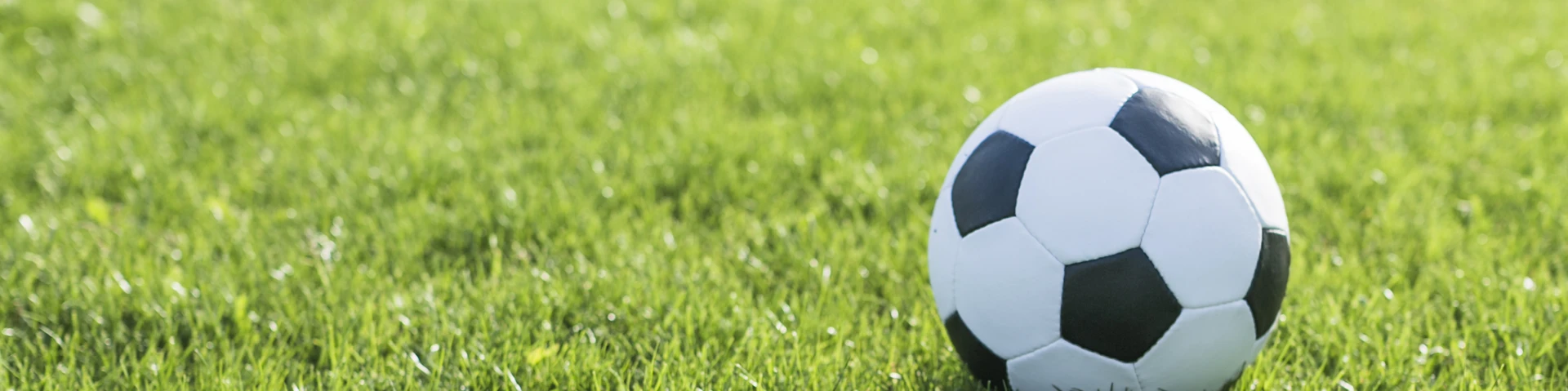
From the cobblestone streets of early industrial cities to the modern asphalt playgrounds of today, the rubber soccer ball has been a constant companion in the beautiful game’s global journey. Its story is not merely one of a simple toy, but a narrative of material science, accessibility, and clever engineering adapting to the demands of relentless play. The design of the rubber football ball has undergone a quiet revolution, transforming from a heavy, unforgiving sphere to a sophisticated training tool that balances performance, durability, and cost. Understanding this evolution reveals why the modern rubber soccer ball remains an indispensable piece of equipment for academies, schools, and recreational players worldwide, offering an unbeatable proposition when considering long-term rubber football price and value.
The Early Days of the Rubber Football Ball
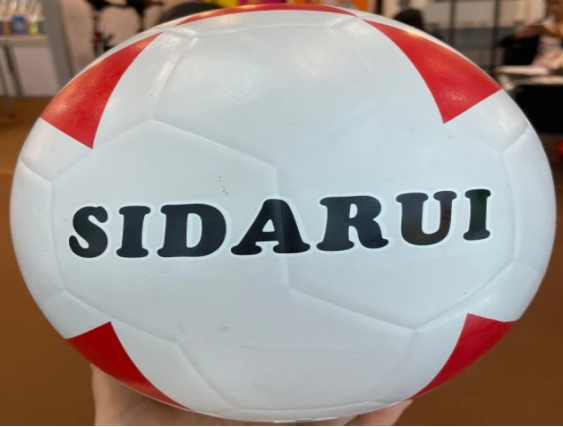
The journey began with the invention of vulcanized rubber by Charles Goodyear in the 19th century. This breakthrough provided the first practical alternative to leather-clad animal bladders, which were inconsistent and highly susceptible to weather. Early rubber football ball designs were simplistic and robust—often a solid or thick-walled molded sphere. These balls were incredibly durable and water-resistant, a massive advantage at the time. However, they had significant drawbacks: they were often very heavy, offered a painful, unforgiving strike, and had a unpredictable, "lively" bounce on hard surfaces. The rubber football price for these early models was generally low, making them accessible for casual street play, but they were far from the precision instruments used in formal matches. Despite their limitations, they democratized the sport, allowing children and adults to play anywhere, anytime, without fear of ruining an expensive leather ball. This established the core identity of the rubber soccer ball: resilience, accessibility, and a focus on pure, rugged enjoyment of the game.
Modern Innovations in Rubber Soccer Ball Design
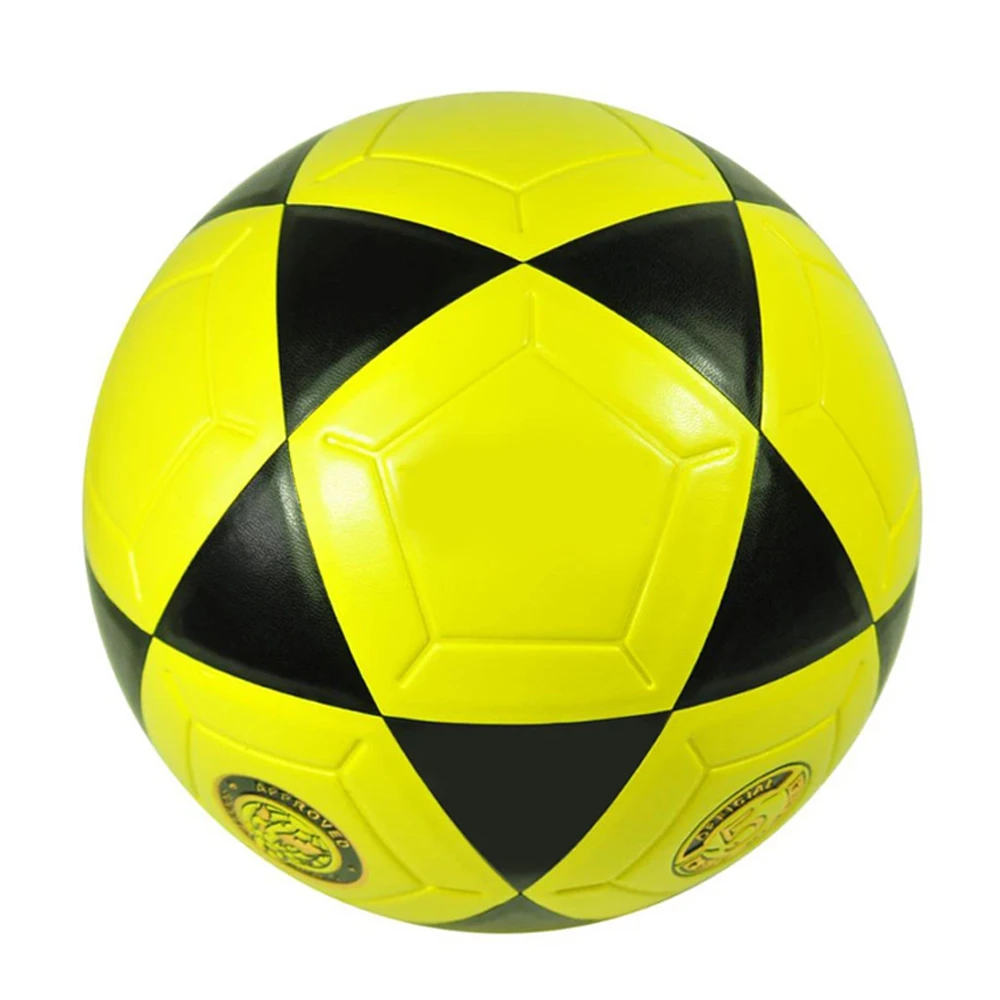
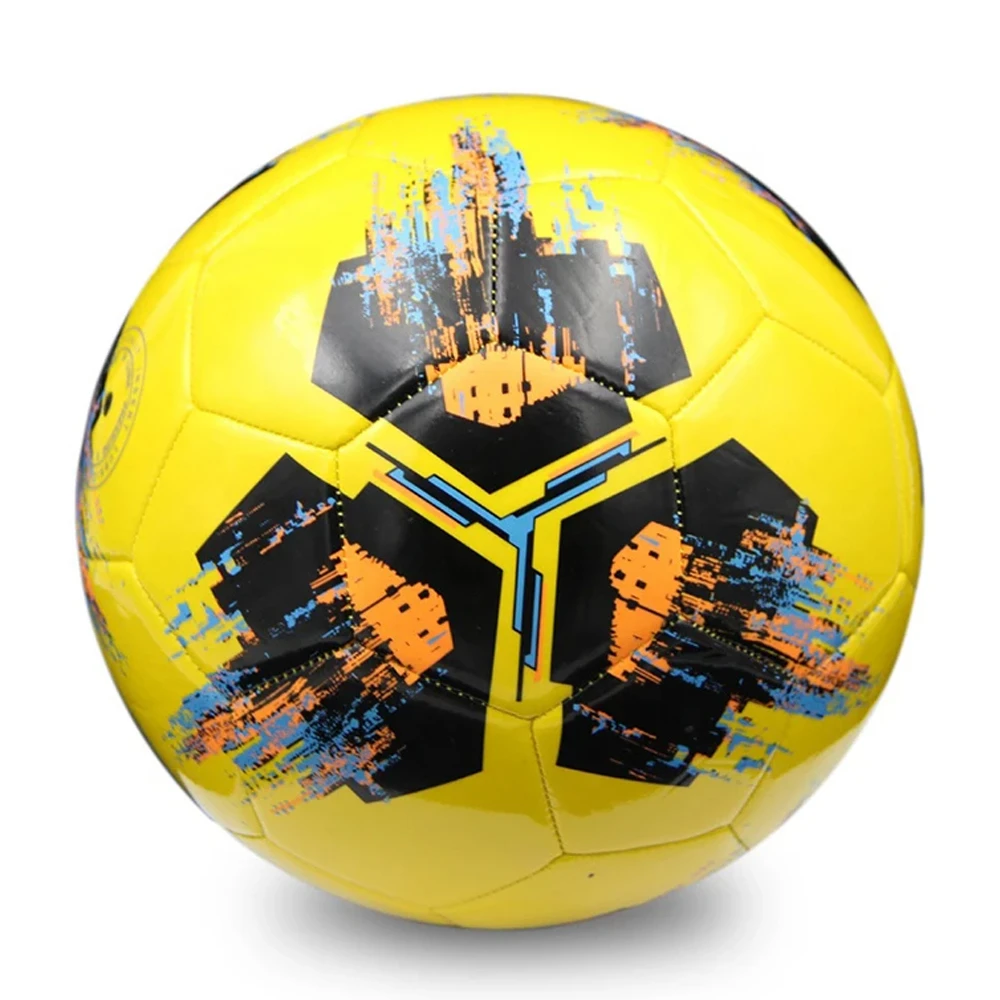
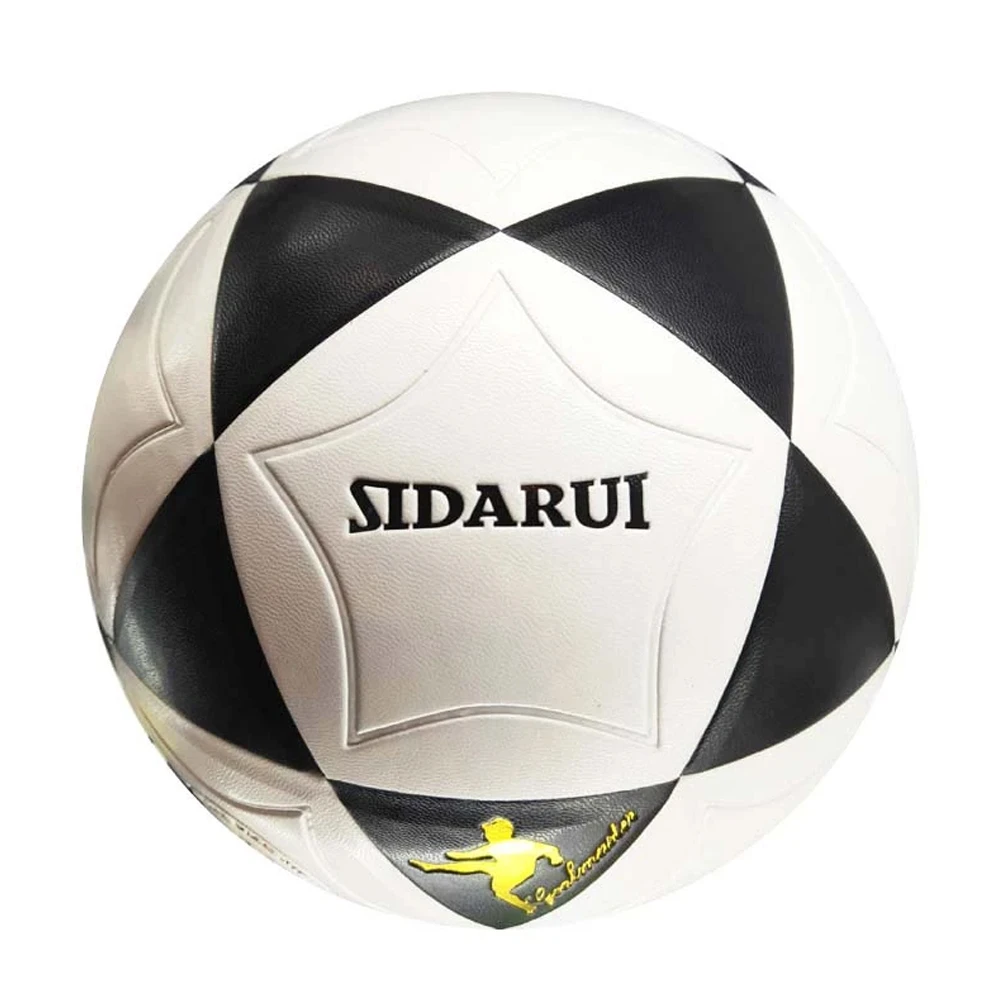
The late 20th and early 21st centuries saw a technological leap in the design of the rubber soccer ball. Manufacturers moved beyond simple solid rubber to layered, composite constructions. The focus shifted from mere durability to enhancing performance and player comfort. Modern designs often feature a multi-layer build: a soft, cushioned inner foam or rubber layer beneath a tougher outer shell. This innovation dramatically improved the ball's "feel," making it softer on the foot and reducing impact shock, which encouraged better shooting and passing technique. Furthermore, advancements in molding technology allowed for precise, intricate panel designs—like the classic 32-panel pattern or textured surfaces—that improved aerodynamics and grip. The modern rubber football ball is no longer a blunt object; it is engineered for a consistent, predictable flight path. These design improvements have also been achieved without a proportional spike in the rubber football price, as manufacturing efficiencies in large-scale facilities kept costs manageable. Companies like Hebei Starry Sports Goods Co., Ltd., with their annual output of over 5 million balls, leverage these advanced production techniques and a professional design team to implement such innovations widely. Their commitment to "Excellent quality and reasonable price" ensures these performance features are not luxuries, but standards, making high-quality rubber soccer ball design available to a global market.
Durability and the Modern Rubber Soccer Ball
The primary legendary attribute of the rubber soccer ball—its near-indestructibility—has been refined, not replaced. Today’s durability is intelligent and specific. The rubber compounds used are now engineered for optimal abrasion resistance, allowing the ball to withstand the punishing friction of concrete, asphalt, and artificial turf without significant wear or peeling. This is complemented by reinforced machine stitching or advanced thermal bonding around the panels, creating a seamless, watertight seal that prevents the inner bladder from bursting or leaking even after thousands of powerful strikes. The water-resistant nature of rubber has been perfected; a quality modern rubber football ball will not absorb moisture, ensuring it does not become waterlogged and dangerously heavy during rainy play. This combination of material toughness and construction integrity means a single ball can endure entire seasons of daily training, physical education classes, and recreational matches. For institutions, this extraordinary durability is a key factor in evaluating the true rubber football price. A slightly higher initial investment in a premium rubber soccer ball from a dedicated manufacturer like Starry, which insists on choosing the best raw materials, translates into a vastly lower cost-per-use over time, as the need for frequent replacements is eliminated. This durability directly supports their vision of enabling more people to enjoy sports sustainably.
Understanding the Value Behind Rubber Football Price
When assessing rubber football price, it is crucial to look beyond the initial tag and consider the total value equation. The affordability of a rubber soccer ball has always been its gateway feature, but modern value encompasses performance, safety, and logistical benefits. The competitive rubber football price makes it possible for schools, community centers, and academies to purchase in bulk, equipping entire teams or year groups simultaneously. This bulk procurement model, supported by large-scale producers, ensures uniformity in training. Furthermore, the design evolution has incorporated safety features—softer outer layers, consistent bounce—that make these balls ideal for younger players, adding immense value for educational institutions. The rubber football ball is also a low-maintenance tool; it requires no special conditioning, can be stored anywhere, and is ready to play in any condition, reducing ancillary costs and effort. Hebei Starry Sports Goods Co., Ltd., with its vast 67,000 square meter facility and strategic location near key transport links, is engineered to deliver this holistic value. Their high-volume, efficient production allows them to maintain an attractive rubber football price without compromising on the advanced design features and rigorous quality control that define their products, which are praised by athletes and industry insiders across continents. The value is clear: maximum playtime, minimum fuss, and accessible performance for everyone.
About Our Rubber Soccer Ball FAQs
What Makes Your Rubber Soccer Ball More Durable?
Our rubber soccer ball is engineered for maximum longevity. We use a proprietary blend of high-grade, abrasion-resistant rubber for the outer casing and reinforce it with a machine-stitched construction for seam strength. This combination ensures the ball can withstand intense play on concrete, asphalt, and artificial turf without cracking, peeling, or losing its shape. The focus on premium raw materials, a core principle at our facility, directly translates to a product that survives seasons of hard use, offering exceptional long-term value.
How Does Your Rubber Football Ball Perform in Wet Weather?
Performance in all conditions is a key design goal. Our rubber football ball is inherently water-resistant. Unlike absorbent materials, the rubber casing prevents water from seeping into the ball’s core. This means it does not become heavy or waterlogged in rain or on wet fields, maintaining a consistent weight, bounce, and flight path. Players can train or play in damp conditions with confidence, and coaches don’t have to cancel sessions due to a soggy, unpredictable ball.
Why Is Your Rubber Football Price Competitive for Bulk Orders?
Our rubber football price for bulk purchases is highly competitive due to our integrated manufacturing scale and efficiency. Operating from one of the region's leading facilities, we control the entire production process, which eliminates middleman markups. Our large annual output volume allows for significant economies of scale. We pass these savings directly to our customers, making it cost-effective for schools, clubs, and retailers to purchase high-quality balls in large quantities without straining their budgets.
Is the Rubber Soccer Ball Suitable for Young Beginners?
Absolutely. Our rubber soccer ball is an excellent choice for beginners and youth players. The softer composite rubber construction is gentler on developing feet compared to harder materials, encouraging technique without fear of pain. The consistent bounce and easy-to-grip textured surface help young players build confidence and fundamental skills. Additionally, its durability stands up to the unpredictable play of children, making it a safe, reliable, and smart investment for any youth program or parent.
Can Your Rubber Football Ball Be Used on Artificial Turf?
Yes, our rubber football ball is specifically designed to excel on artificial turf as well as hard surfaces. The rugged rubber compound is resistant to the high-friction wear caused by synthetic grass blades and the infill material. The ball’s construction ensures the panels and seams remain intact, preserving its integrity and roundness even after prolonged use on modern artificial pitches, making it a versatile all-surface training and play solution.