Nov . 05, 2025 15:32
When it comes to playing soccer, one detail that often goes overlooked is the size of the ball. Whether you’re training, coaching, or buying your first soccer ball, understanding the right size makes a big difference in comfort, performance, and safety. From youth leagues to professional matches, every level of play uses a specific soccer ball size. This guide explains everything you need to know about soccer ball sizes, why they matter, and how to choose the perfect one for every player.
The Importance of Choosing the Right Soccer Ball Size
Selecting the correct soccer ball size is essential for player development, ball control, and injury prevention. A ball that’s too large can be difficult for younger players to handle, leading to frustration and poor technique. On the other hand, a ball that’s too small might not provide the proper resistance for older players who are developing power and precision.
The right size ensures that players can learn accurate passing, dribbling, and shooting mechanics while building confidence on the field. For example, smaller soccer balls are lighter and easier to kick for kids, helping them develop coordination and foot skills. Professional players use size 5 balls, which meet international standards for match play.
Moreover, using the correct ball size helps standardize training sessions. Coaches can maintain consistent expectations and techniques across drills, allowing players to transition smoothly as they grow. Simply put, choosing the right soccer ball size supports better performance, safety, and long-term development in the game.
The Standard Soccer Ball Size for Adults
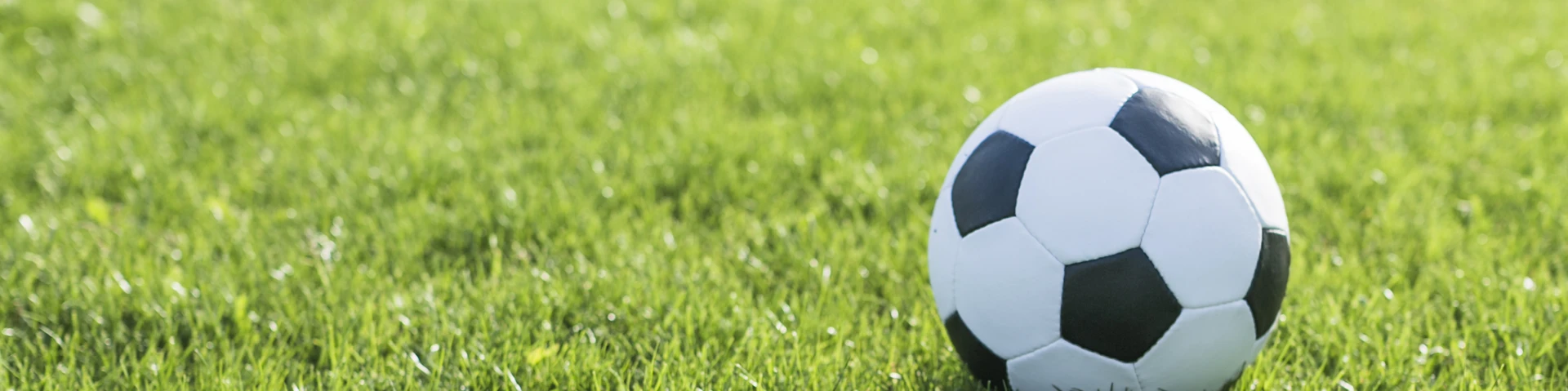
For adult and professional play, the official soccer ball size is Size 5. This size is used in all major competitions, including FIFA, UEFA, and professional leagues worldwide.
A Size 5 soccer ball typically has a circumference of 27 to 28 inches (68–70 cm) and weighs 14 to 16 ounces (410–450 grams). It’s designed for players aged 13 and above. The ball’s construction features multiple layers, including a durable outer cover (often made of synthetic leather or polyurethane), a lining for shape retention, and an inner bladder for air pressure stability.
At this level, consistency is crucial. Players rely on the ball’s weight, bounce, and feel to execute precise passes and powerful shots. Using the correct ball size ensures that the gameplay mirrors professional standards and that players develop skills applicable to real match conditions.
When shopping for a Size 5 soccer ball, look for products labeled as “FIFA Quality Pro” or “Match Approved.” These certifications guarantee the ball has passed strict tests for weight, roundness, rebound, and water absorption.
Kids and Soccer Balls: What You Need to Know
For young players, choosing the right soccer ball size can make or break their enjoyment of the sport. Smaller, lighter soccer balls help kids learn faster, improve control, and avoid unnecessary strain.
Here’s a quick breakdown of the standard youth soccer ball sizes:
-
Size 1 (Custom Mini Soccer Ball): Designed for fun, skill drills, and promotion. Not used in matches.
-
Size 3 soccer ball: Ideal for children under 8 years old. Measures about 23–24 inches in circumference and weighs 11–12 ounces.
-
Size 4 soccer ball: Recommended for players aged 8–12. This ball has a circumference of 25–26 inches and a weight of 12–14 ounces.
As children grow, they progress from Size 3 to Size 4 before finally moving on to Size 5. The gradual increase in size helps them adapt their strength and coordination naturally.
Parents and coaches should also check the ball’s material and air pressure. For kids, a slightly softer touch ball can prevent foot discomfort during long practice sessions. Many brands, including Starryballs, design youth soccer balls with extra padding and durable covers to ensure safety and longevity.
Futsal vs. Outdoor Soccer Balls: Size Differences
Futsal — the fast-paced indoor version of soccer — uses a completely different type of ball. While the standard soccer ball is designed for grass or turf, a futsal soccer ball is made for indoor hard surfaces.
A futsal ball is roughly the same size as a Size 4 soccer ball, but it’s heavier and has less bounce. This design helps players control the ball better in tight spaces and encourages technical precision rather than long passes or aerial play.
| Type | Size | Circumference | Weight | Bounce Level |
|---|---|---|---|---|
| Futsal Ball | 4 | 24–25 in | 14–16 oz | Low |
| Outdoor Ball | 5 | 27–28 in | 14–16 oz | Standard |
Because futsal emphasizes quick footwork and ball mastery, training with a futsal ball can significantly improve outdoor performance. Many coaches recommend alternating between futsal and outdoor balls during training to build all-around skills.
Brands like Starryballs offer both futsal and outdoor models, crafted with premium materials that ensure consistent grip, rebound, and durability no matter where you play.
Frequently Asked Questions about Soccer Ball
How do I know what size soccer ball I need?
Use your age as a guide: Size 3 for under 8, Size 4 for ages 8–12, and Size 5 for 13 and above.
What’s the difference between match balls and training balls?
Match balls are made to meet strict regulations for professional games, while training balls are more durable for frequent use.
How often should I check the air pressure of Soccer Ball?
Check before every game. Over-inflated balls can bounce unpredictably, while under-inflated ones feel heavy and sluggish.
Can I use an indoor ball outdoors?
It’s not recommended. Indoor balls are designed for smooth surfaces; using them outside can wear them down quickly.
What’s the best brand for reliable soccer balls?
Starryballs is known for producing high-quality soccer balls for every level — from training and futsal to professional matches. Their products combine durability, precise design, and performance-tested materials that meet international standards.
Understanding soccer ball sizes is more than just reading a label — it’s about matching the player’s age, ability, and environment to the right equipment. Whether you’re buying for a child, a beginner, or a professional, using the correct soccer ball size can dramatically improve performance and enjoyment.
With years of manufacturing expertise, Starryballs provides a full range of soccer balls tailored for all levels and playing conditions. From futsal to outdoor matches, every Starryballs product is built to deliver the perfect combination of control, balance, and endurance.
So, the next time you’re gearing up for a game, remember: the right soccer ball size isn’t just about standards — it’s about playing your best, every time.