Aug . 26, 2025 11:31
Volleyball is a dynamic sport that unites players globally through teamwork, agility, and strategic play, and the right Volleyball is key to unlocking optimal performance on any court. Whether played in casual backyard matches, school tournaments, or professional leagues, Volleyball must balance durability, responsiveness, and comfort to meet the demands of different players. A well-designed Volleyball features a structured outer layer that resists wear from repeated hits, serves, and spikes, while its inner bladder ensures consistent air retention for reliable bounce. Unlike other team sports equipment, Volleyball adapts to various environments—from sandy beaches to polished gym floors—making it a versatile choice for athletes of all ages and skill levels. In the Volleyball world, the sport’s popularity continues to grow, driven in part by how a quality Volleyball can turn a casual game into an engaging, memorable experience.
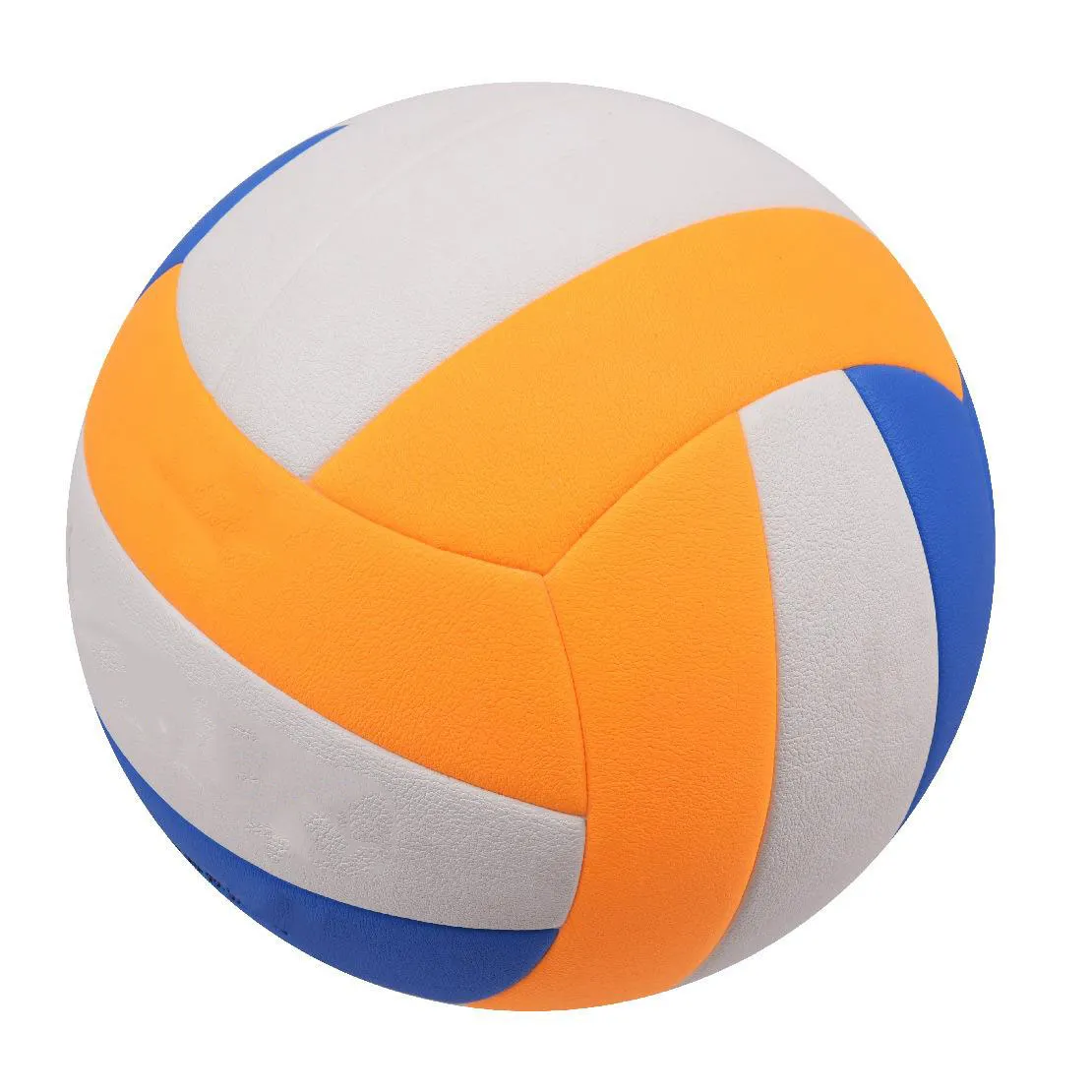
Volleyball Ball refers specifically to the core equipment of the sport, distinguished by its unique construction that sets it apart from other spherical sports gear
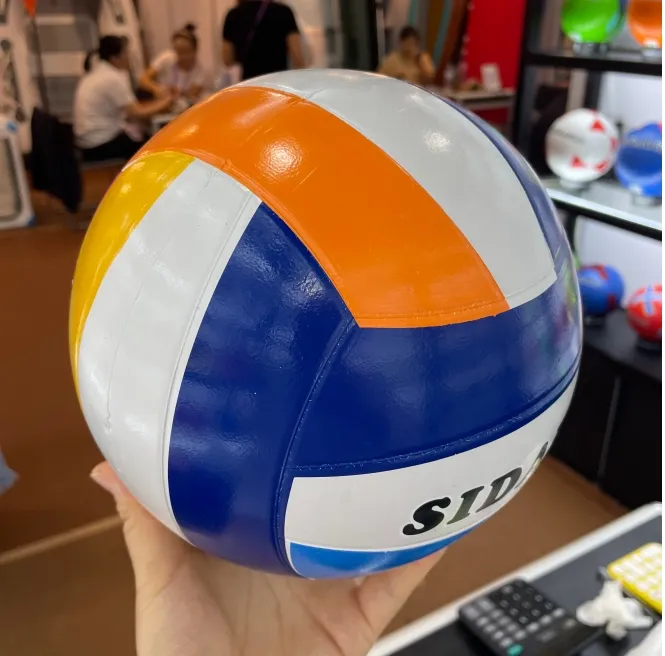
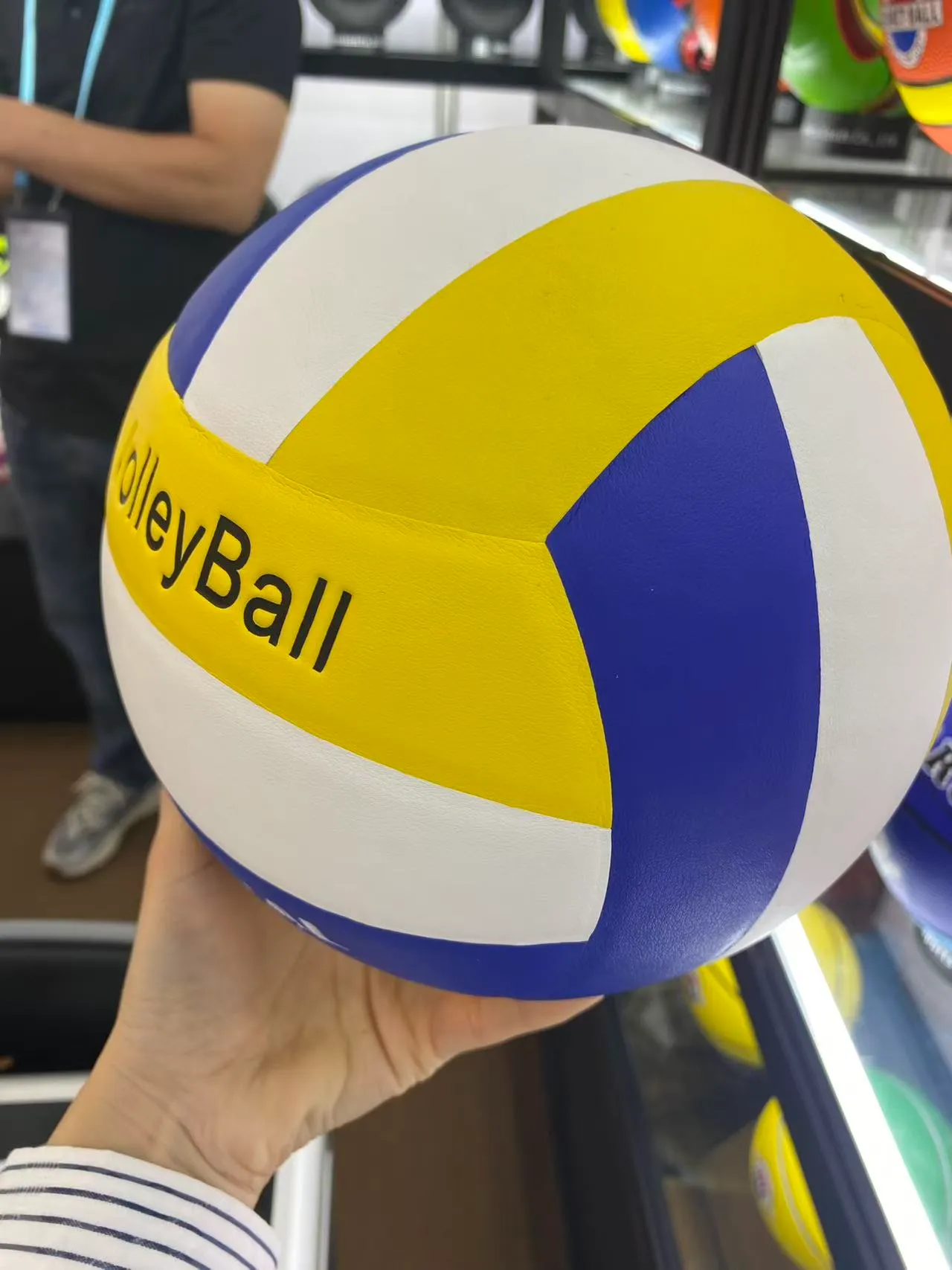
A standard Volleyball Ball typically has a circumference between 65 and 67 centimeters and a weight of 260 to 280 grams, designed to be easily handled during passes, sets, and attacks. The outer cover of a Volleyball Ball is often made of synthetic leather or rubber; synthetic leather variants offer a softer touch for indoor play, while rubber Volleyball Balls are more durable for outdoor use, resisting scratches from concrete or sand. The panels of a Volleyball Ball are stitched or glued tightly to prevent air leakage, and high-quality models include a butyl bladder that maintains pressure for days, reducing the need for frequent inflation. For players, choosing the right Volleyball Ball is essential—whether for training, casual play, or competition—as it directly impacts how well they can control the ball and execute techniques.
Mini Volleyball is a compact variant of the traditional Volleyball, tailored for specific scenarios where space or player age demands a smaller, lighter option
A typical Mini Volleyball has a circumference of 50 to 55 centimeters and weighs around 150 to 200 grams, making it ideal for children learning the sport, as it is easier to grip and hit without straining young arms. Mini Volleyball is also popular for indoor games in small spaces, such as apartments, community centers, or school classrooms, where a full-sized Volleyball would be too cumbersome. In addition to casual use, Mini Volleyball is used in training programs to help players refine their skills—for example, practicing precise passes or quick sets with a smaller ball can improve hand-eye coordination, which translates to better performance with a standard Volleyball. Unlike full-sized Volleyballs, Mini Volleyball often comes in bright, vibrant colors, adding a fun element that appeals to younger players and casual enthusiasts.
Volleyball World encompasses the global community, events, and culture surrounding the sport, and each type of Volleyball plays a unique role in shaping this ecosystem
From the Olympic Games, where elite athletes compete with top-tier Volleyballs on the world stage, to local community leagues that use Volleyball Balls for weekly matches, Volleyball World thrives on diversity. Mini Volleyball contributes to growing the sport by introducing it to children at an early age, fostering a love for Volleyball that can last a lifetime. Indoor Volleyball, as a major segment of Volleyball World, has its own professional leagues—such as the FIVB Volleyball Nations League—where standardized Volleyball Balls and strict rules ensure fair, competitive play. Volleyball World also includes grassroots initiatives, where organizations provide Volleyballs and training to underserved communities, using the sport as a tool to promote teamwork and physical activity.
Indoor Volleyball is a specialized form of the sport played on a hardwood or synthetic court, with distinct rules and equipment requirements that differ from outdoor or beach Volleyball
The key to successful Indoor Volleyball lies in the Volleyball Ball—indoor models are designed with a softer, more responsive cover to facilitate precise passes and sets, as the hard court surface can make the ball bounce more predictably. Indoor Volleyball courts are divided by a net that is 2.43 meters high for men’s play and 2.24 meters for women’s play, and teams of six players rely on quick reflexes and coordinated movements to keep the Volleyball in play. Unlike outdoor Volleyball, which is often affected by wind or weather, Indoor Volleyball offers a controlled environment, allowing players to focus on mastering techniques like spikes, blocks, and digs. High-quality Volleyball Balls for Indoor Volleyball are tested for consistency in bounce and weight, ensuring that every game is fair and that players can perform at their best.
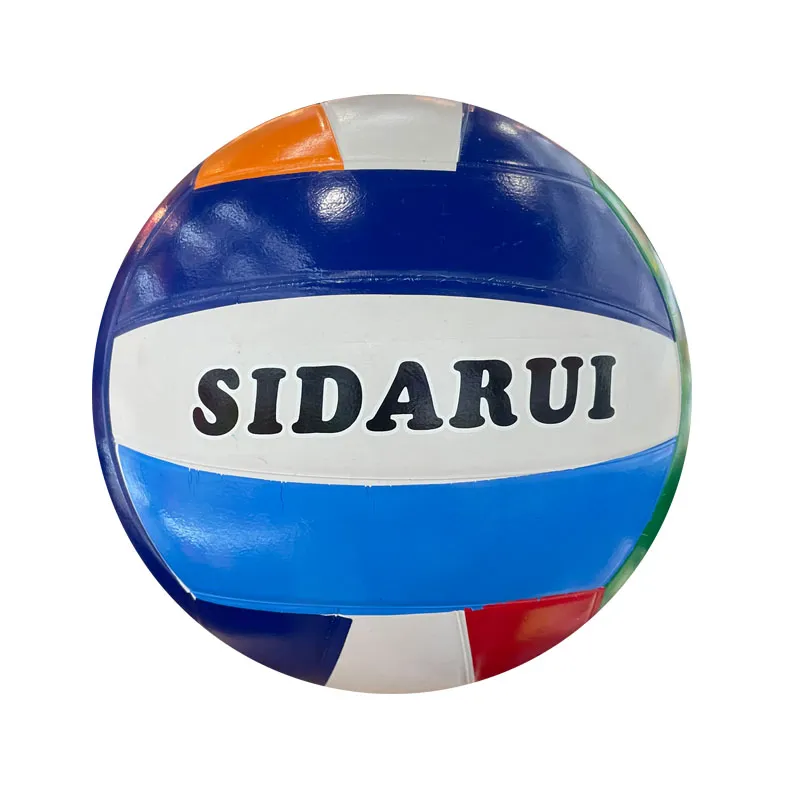
In summary, Volleyball, as the heart of this sport, is enriched by its variants—Volleyball Ball as the essential equipment, Mini Volleyball for accessibility and skill development, Volleyball World as the global community that unites players, and Indoor Volleyball as a specialized, competitive format. Each element builds on Volleyball’s core appeal: it is a sport that encourages teamwork, skill, and fun, accessible to players of all backgrounds. Whether someone is playing Mini Volleyball in a classroom, competing in an Indoor Volleyball league, or cheering for athletes in Volleyball World events, the right Volleyball and its variants ensure a fulfilling experience. As Volleyball World continues to expand, the focus on creating high-quality, tailored Volleyballs will remain key to keeping the sport vibrant and inclusive for generations to come.
Volleyball FAQs
- What are the key features of this volleyball's construction that make it durable for both indoor and outdoor use?
This volleyball features a innovative laminated design that is specifically engineered to withstand the rigors of intense play in various environments. The high-quality materials used in its construction maintain excellent shape retention whether used on hard courts or sandy beaches. Its reinforced panels resist wear from abrasive surfaces while maintaining consistent flight characteristics.
2. How does the soft touch technology of this volleyball enhance player performance during extended matches?
The advanced soft touch technology provides exceptional grip and comfort, allowing players to maintain precise ball control throughout long practice sessions or competitive matches. This technology reduces hand fatigue while ensuring reliable contact for serves, sets, and spikes. The textured surface works in harmony with the internal construction to deliver consistent responsiveness.
3. What makes this volleyball suitable for both recreational beach play and professional indoor competitions?
This volleyball's versatile design incorporates weather-resistant materials that perform equally well in humid indoor environments and sunny outdoor conditions. The balanced weight distribution meets official standards for competitive play while remaining accessible for casual players. Its visibility features work effectively under both natural sunlight and artificial court lighting.
4. How does the layered construction of this volleyball contribute to its consistent flight pattern and playing characteristics?
The multi-layer construction features precision-engineered components that work together to create predictable flight patterns and reliable bounce characteristics. The internal bladder maintains optimal air retention while the intermediate layers provide just the right amount of stiffness for responsive play. This construction ensures the volleyball performs identically whether used for warm-ups or championship points.
5. What maintenance advantages does this volleyball offer compared to traditional designs for players who frequently switch between indoor and outdoor environments?
The laminated surface resists moisture absorption and dirt accumulation, making it easy to clean after beach sessions. The materials are resistant to UV degradation and temperature variations, ensuring consistent performance in different playing conditions. The color-fast pigments maintain vibrant visibility through extensive use in both indoor and outdoor settings.