Januari . 04, 2026 16:48
Kuchagua haki soccer ball size is more important than many players and buyers realize. Ball size directly affects control, passing accuracy, shooting technique, and overall confidence on the field. Whether you are a parent buying a ball for a child, a coach outfitting a team, or a buyer sourcing balls in bulk, understanding the differences between soccer ball 3, soccer ball 4, na soccer ball 5 helps you make a smarter decision.
This guide explains how each size is used, who it is designed for, and how to choose the best option based on age, skill level, and application.
Why Soccer Ball Size Matters
Soccer balls are standardized to match players’ physical development and playing needs. A ball that is too large or too heavy can slow skill development, while a ball that is too small may not prepare players for real match conditions.
Using the correct size helps players:
-
Improve ball control and dribbling
-
Develop proper kicking technique
-
Reduce the risk of injury
-
Transition smoothly to higher competition levels
That is why official training programs and competitions strictly define which ball size should be used at each age level.
What Is a Soccer Ball 3?
A soccer ball 3 is the smallest commonly used size and is designed mainly for young children.
Typical specifications of soccer ball 3:
-
Circumference: about 23–24 inches (58–61 cm)
-
Weight: approximately 300–320 grams
-
Recommended age: under 8 years old
Because of its lighter weight and smaller diameter, a soccer ball 3 is easier for children to kick, stop, and control. It allows young players to focus on learning basic skills such as dribbling, passing, and coordination without being overwhelmed by the ball’s size or weight.
Soccer ball 3 is also widely used for:
-
Beginner training programs
-
School physical education
-
Skill drills in limited spaces
For buyers and distributors, soccer ball 3 is often popular in youth markets, academies, and promotional campaigns targeting children.
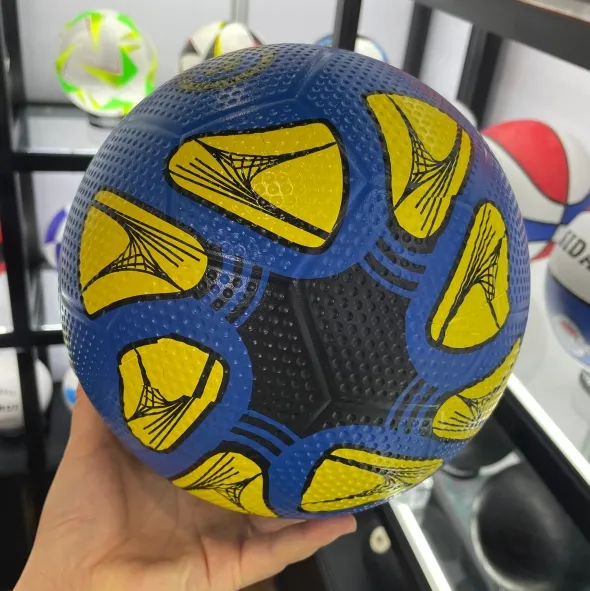
What Is a Soccer Ball 4?
A soccer ball 4 is the transition size between beginner and adult-level play. It is slightly larger and heavier than size 3 but still manageable for developing players.
Typical specifications of soccer ball 4:
-
Circumference: about 25–26 inches (63.5–66 cm)
-
Weight: approximately 350–390 grams
-
Recommended age: 8–12 years old
Soccer ball 4 is ideal for youth players who are building strength, coordination, and tactical awareness. At this stage, players start practicing longer passes, shooting with power, and positional play. The size and weight of a soccer ball 4 provide a realistic feel without placing too much strain on growing bodies.
Common uses of soccer ball 4 include:
-
Youth league matches
-
Club and academy training
-
Skill development programs
From a sourcing perspective, soccer ball 4 is one of the most demanded sizes in youth soccer markets, making it a key product for wholesalers and brands.
What Is a Soccer Ball 5?
A soccer ball 5 is the official size used in professional, collegiate, and adult soccer worldwide.
Typical specifications of soccer ball 5:
-
Circumference: about 27–28 inches (68–70 cm)
-
Weight: approximately 410–450 grams
-
Recommended age: 13 years and above
This is the size seen in professional leagues, international tournaments, and official competitions. Soccer ball 5 is designed for full-strength play, accurate long passes, powerful shots, and consistent performance on different surfaces.
Soccer ball 5 is widely used for:
-
Professional and amateur matches
-
Adult training sessions
-
Competitive leagues and tournaments
For manufacturers and bulk buyers, soccer ball 5 represents the largest volume in adult and commercial markets, including clubs, schools, retailers, and promotional orders.
Soccer Ball 3 vs Soccer Ball 4 vs Soccer Ball 5: Key Differences
The main differences between soccer ball 3, soccer ball 4, and soccer ball 5 lie in size, weight, and intended users.
-
Soccer ball 3 focuses on basic skill learning and easy control for young children.
-
Soccer ball 4 supports skill progression, strength development, and tactical learning.
-
Soccer ball 5 delivers full match realism and professional-level performance.
Using the correct size at each stage helps players develop naturally and prevents bad habits caused by using an oversized or undersized ball.
How to Choose the Right Soccer Ball Size
When selecting the correct soccer ball size, consider the following factors:
-
Age and physical development
Always prioritize age recommendations, especially for youth players. -
Purpose of use
Training balls, match balls, and promotional balls may have different construction needs even within the same size. -
Skill level
Beginners benefit from lighter, softer balls, while advanced players need realistic match conditions. -
Market demand
For wholesalers and brands, understanding local league rules and age groups ensures better product alignment.
Choosing the right size improves user satisfaction and reduces return or complaint rates.
Final Thoughts on Soccer Ball Sizes
Understanding the differences between soccer ball 3, soccer ball 4, na soccer ball 5 is essential for players, parents, coaches, and buyers alike. Each size plays a specific role in skill development and match performance, and using the correct ball helps players grow with confidence and safety.
Whether you are equipping a youth academy, supplying a school program, or sourcing balls for international markets, matching the right soccer ball size to the right user is a simple decision that delivers long-term value. With the correct size, players can focus on what truly matters—enjoying the game and improving every time they step onto the field.