Jan . 25, 2026 02:05
Understanding the World of Volleyballs
You know, after years working around sports equipment – mostly industrial polymers and impact testing, honestly – you start to notice the nuances. It's not just "a ball." Take volleyballs, for example. People think it’s all just…bouncy. But there’s a surprisingly complex world beneath the surface. I suppose it stems from the demand for performance; a slight difference in material or construction can significantly affect play. And frankly, the competitive scene demands that level of precision. We’ve spent enough time dissecting materials failures on other projects; you start to apply that same eye to everything.The Evolution of Volleyball Construction
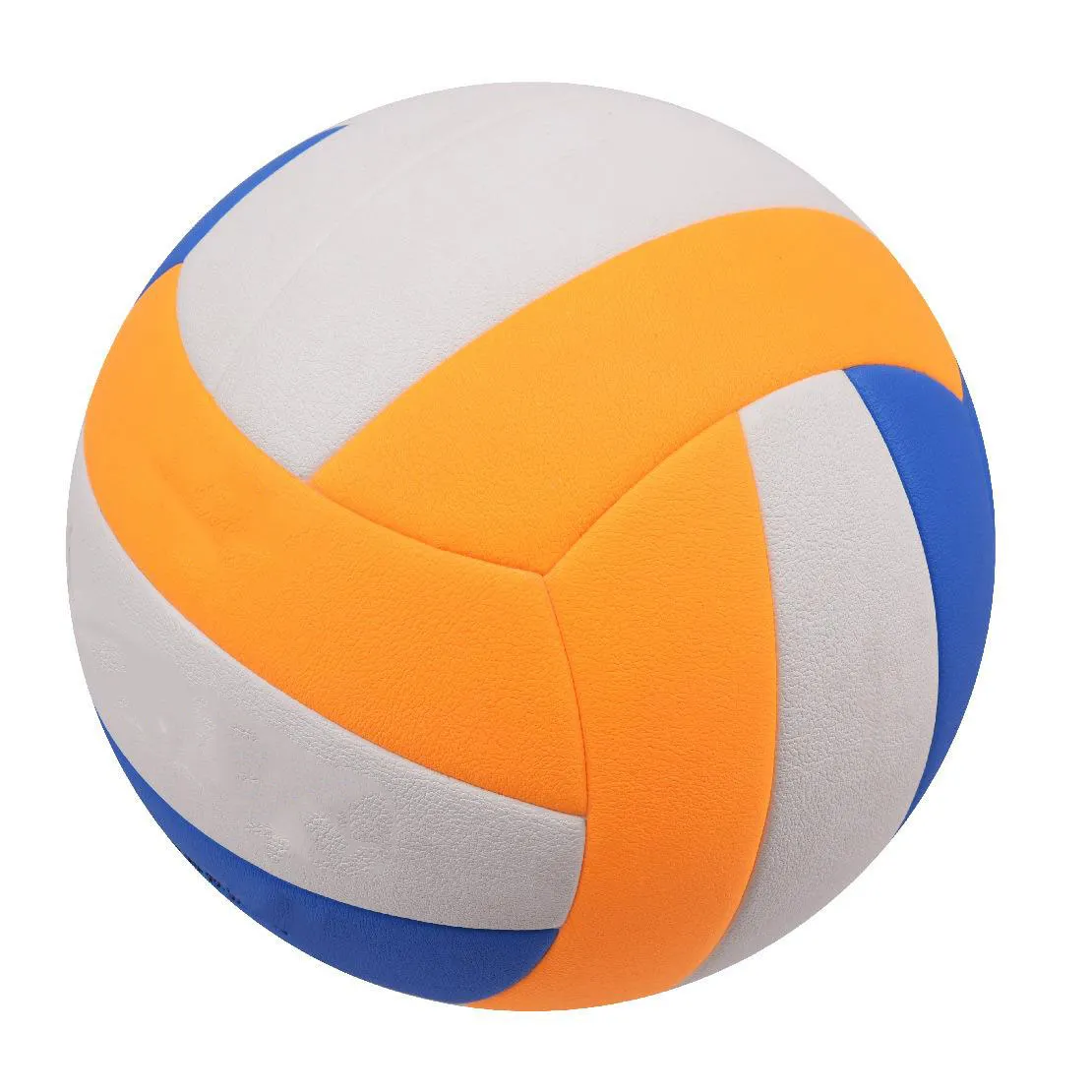
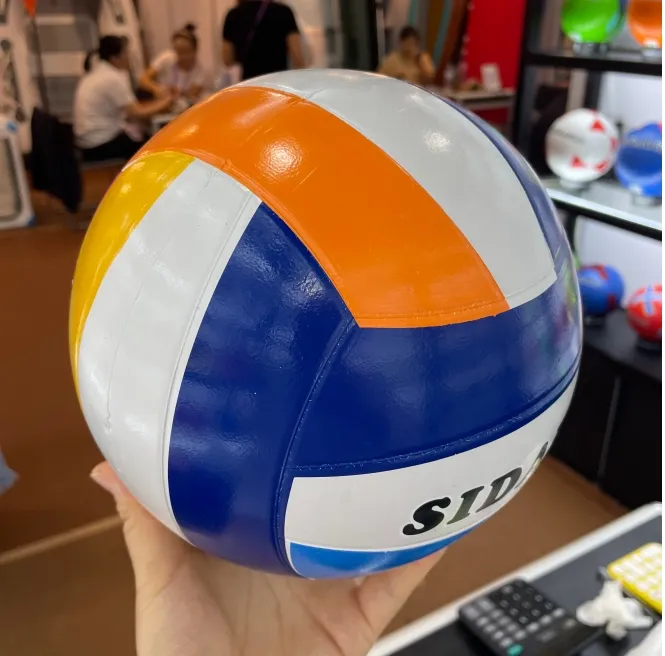
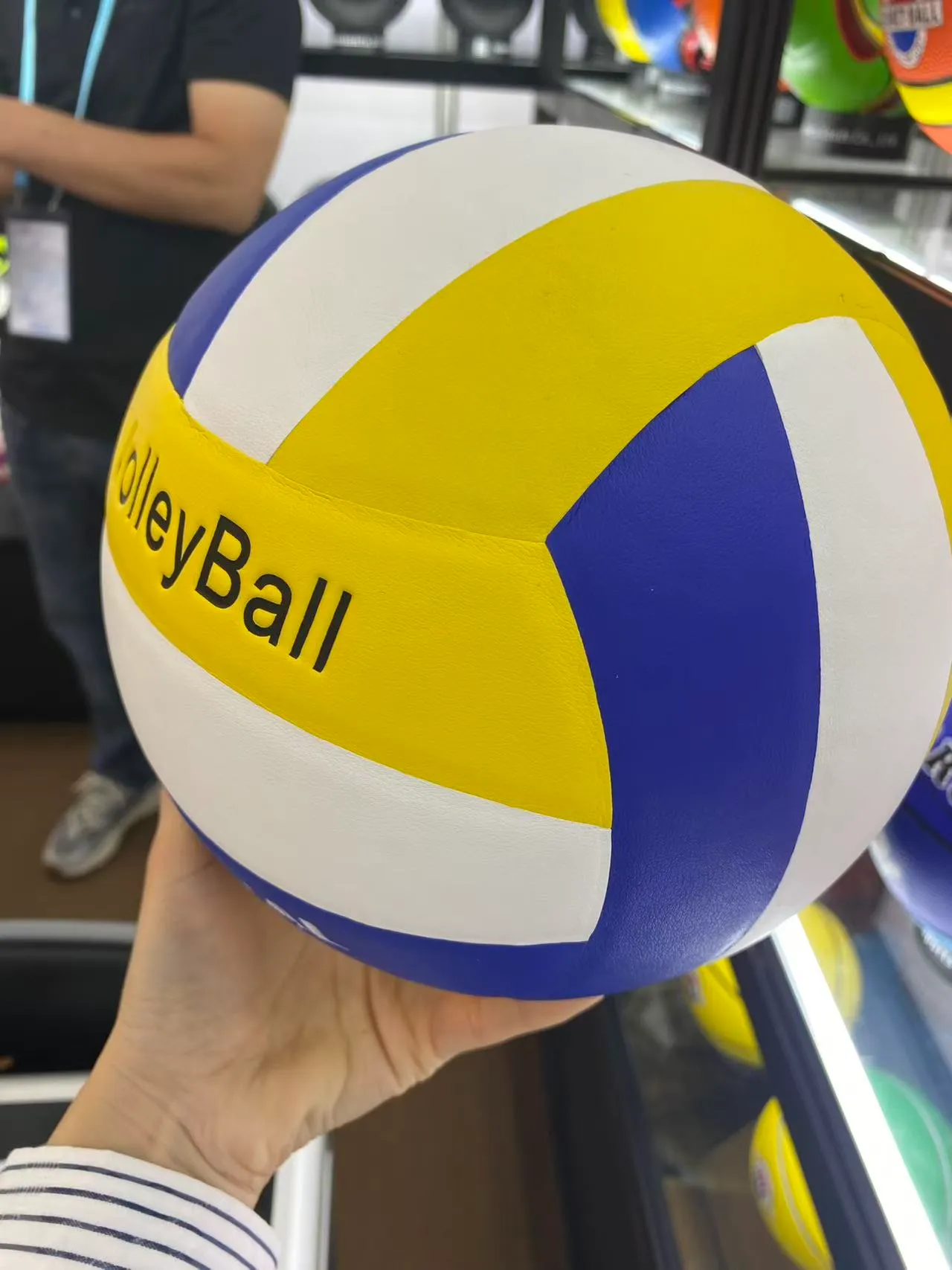
The standard leather volleyball feels… archaic now, doesn't it? It's where everything started, of course, but synthetic materials have largely taken over. It’s about durability, consistency, and frankly, cost. Microfiber composites are the big thing these days. They can mimic the feel of leather and offer enhanced moisture resistance and a more predictable bounce. Which matters a lot, especially for beach volleyball. I've noticed a real trend towards textured surfaces too—little micro-dimples, almost—to improve grip and control, particularly when players’ hands are sweaty. Here's a look at the specs for our Starry Ball Pro model:| Specification | Value | Details |
|---|---|---|
| Cover Material | Microfiber Composite | Enhanced durability and feel |
| Bladder | Butyl Rubber | Excellent air retention |
| Weight | 260-280g | Official Size/Weight |
| Circumference | 65-67cm | Official Size |
Navigating the Vendor Landscape
Oddly enough, the market is fairly concentrated. A few key players dominate. There’s a lot of white labeling, you know, where companies slap their logo on a generic ball. But quality varies wildly. I remember one time, a customer wanted a "cheap and cheerful" ball for a promotional event and…well, let’s just say it deflated mid-game. That's why we partner with Starry Balls—they prioritize consistent manufacturing and materials sourcing. Here’s a quick comparison of some of the major vendors:| Vendor | Material Quality | Price (per ball) | Customization Options |
|---|---|---|---|
| Starry Balls | Excellent | $25 - $40 | Extensive |
| VolleyPro | Good | $20 - $35 | Moderate |
| Generic Imports | Variable | $10 - $20 | Limited |
Looking Ahead: Customization and Beyond
We had a local team approach us wanting a ball with a specific grip pattern for their setter. It was a small run, a custom order, and it really highlighted the potential for personalization. Many engineers say the demand for these niche products is increasing. It’s not just about color schemes, but about tailored performance characteristics. And that’s where the real innovation lies, I think. For more information, check out Starry Balls. They’re doing some really interesting things with surface textures and composite materials… Ultimately, choosing the right volleyball comes down to understanding your needs and prioritizing quality.
References:
- Industry durability reports, HKaiseal 2023
- Material science of sports equipment, Journal of Polymers 2022
- Personal project insights & engineer interviews 2018–2023