Jan . 30, 2026 14:55
Understanding Normal Volleyball Size: A Comprehensive Guide
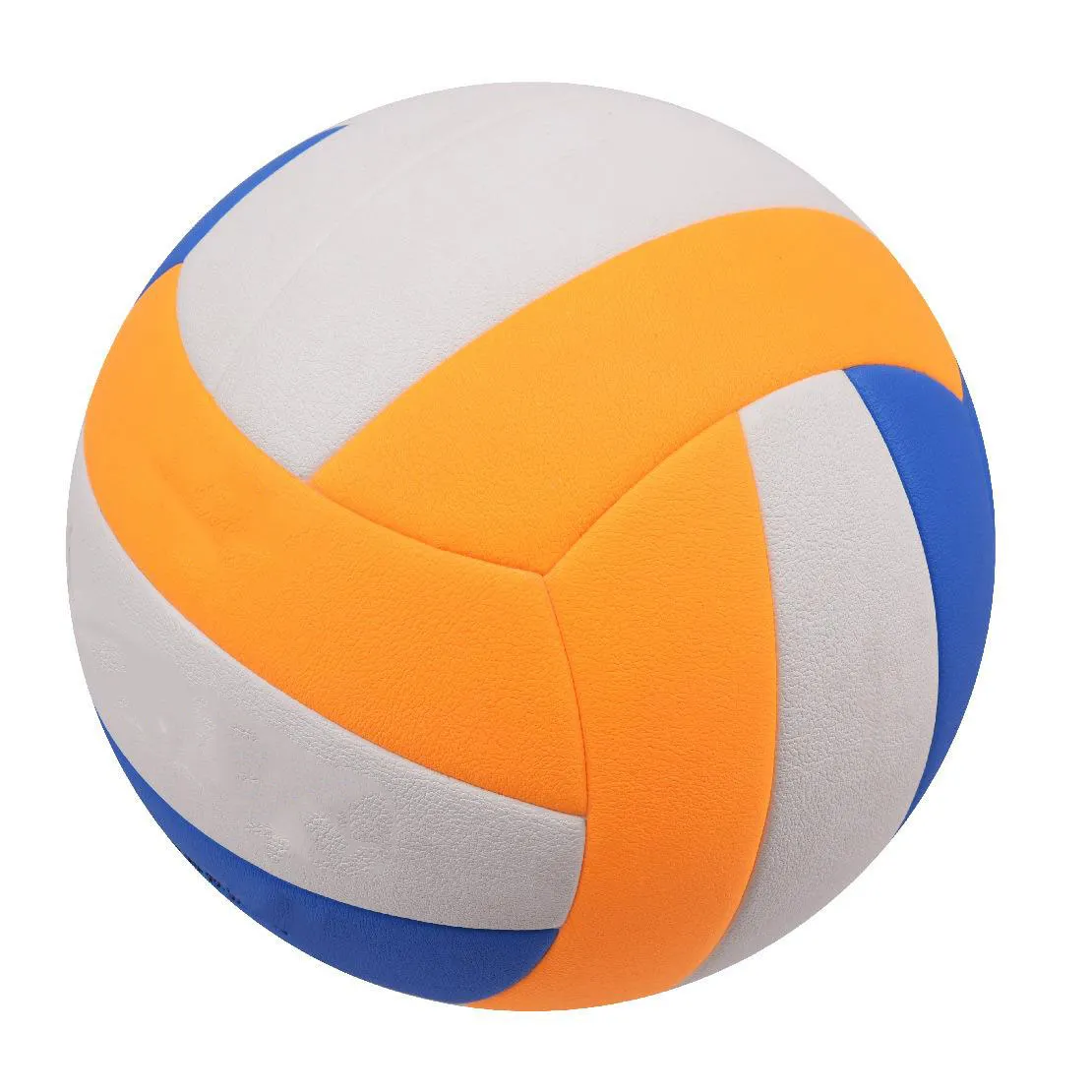
Choosing the right volleyball is crucial for optimal play and enjoyment. A "normal" volleyball size refers to the official dimensions used in most competitive and recreational games. This article will delve into the specifics of normal volleyball size, covering weight, circumference, and how size variations impact different levels of play. We'll explore the regulations set by governing bodies and help you select the perfect ball for your needs. Understanding these details ensures a better game experience for players of all ages and skill levels.

What Defines a Normal Volleyball Size?
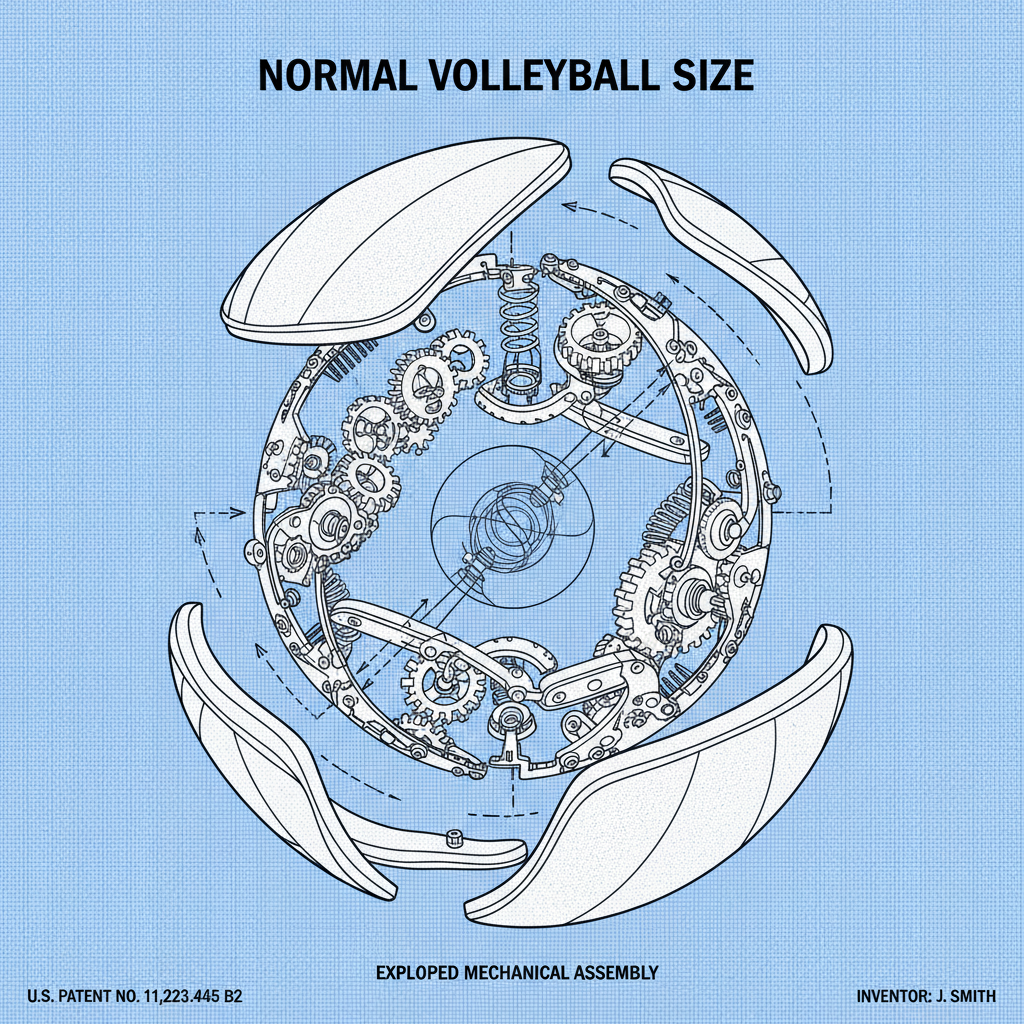
The official size for a standard volleyball, as defined by organizations like USA Volleyball and FIVB (Fédération Internationale de Volleyball), isn't just about diameter. It encompasses both circumference and weight. A normal volleyball typically has a circumference of 65-67 centimeters (25.6-26.4 inches) and a weight of 260-280 grams (9.2-9.9 ounces). These specifications are vital for consistent bounce, predictable flight, and optimal player control. Deviations from these standards can affect gameplay and are usually reserved for specific age groups or training purposes. Choosing a ball adhering to these specs is crucial for competitive matches and serious practice sessions.
Key Highlights: A normal volleyball boasts a circumference of 65-67 cm and weighs between 260-280 grams. These specifications ensure consistent performance and optimal play.
Volleyball Sizes by Age and Level of Play
While the aforementioned dimensions define a “normal” volleyball for adults and competitive play, different sizes are used for younger players and specific training exercises. Lighter and smaller volleyballs are employed to help children develop fundamental skills without being overwhelmed by the size and weight of a standard ball. Using appropriately sized volleyballs promotes proper technique and builds confidence in young athletes. Here’s a breakdown of common size variations:
Volleyball Size Chart:
• Ages 5-8: Size 5 (Circumference: 51-53cm, Weight: 180-200g)
• Ages 9-11: Size 55 (Circumference: 55-57cm, Weight: 200-220g)
• Ages 12-14: Size 5 (Circumference: 65-67cm, Weight: 260-280g) – Often transition to official size.
• Ages 15+ / Adults: Size 5 (Circumference: 65-67cm, Weight: 260-280g)
Normal Volleyball Size vs. Beach Volleyball Size
While both indoor and beach volleyball generally use a Size 5 ball, there's a key difference in weight. Beach volleyballs are slightly lighter, typically weighing between 260-280 grams, and often have a different leather grain designed to repel sand and water. This lighter weight compensates for the increased resistance from wind and the softer surface of sand. The circumference, however, remains within the 65-67cm range. Selecting the correct ball for the playing surface significantly impacts the game experience and player performance.
Choosing the Right Volleyball at Starryballs
At Starryballs, we offer a comprehensive selection of volleyballs tailored to various ages, skill levels, and playing environments. We understand the importance of using the correct size and weight for optimal performance. Our team is dedicated to providing high-quality volleyballs that meet official standards and deliver exceptional playability. Browse our collection today to find the perfect ball for your game!
Conclusion: Selecting the Right Size for Peak Performance
Understanding normal volleyball size and its variations is essential for players of all levels. By choosing a ball that matches your age, skill, and playing surface, you'll experience improved control, enhanced performance, and greater enjoyment of the game. Don’t hesitate to consult official guidelines and explore resources like the ones offered at Starryballs to make the best selection for your needs.
Frequently Asked Questions (FAQs)
What is the difference between a size 5 and size 55 volleyball?
The primary difference lies in circumference and weight. A Size 5 volleyball, used by adults and older teens, has a circumference of 65-67cm and weighs 260-280 grams. A Size 55 volleyball, designed for younger players (ages 9-11), has a smaller circumference (55-57cm) and is lighter (200-220 grams). The reduced size and weight make it easier for younger players to handle and control the ball, promoting proper technique and skill development.
How does the weight of a volleyball affect gameplay?
The weight of a volleyball significantly impacts how it feels and performs. A lighter ball is easier to serve and hit, but may lack the power and stability of a heavier ball. Heavier balls provide more power and control but require greater strength to handle. Players often prefer different weights based on their playing style and skill level. Official weights are standardized to ensure fair and consistent gameplay in competitive settings.
What material are volleyballs typically made of?
Volleyballs are typically made of synthetic leather or genuine leather. Synthetic leather is more durable and water-resistant, making it ideal for both indoor and outdoor use. Genuine leather provides a softer touch and better grip but requires more maintenance and is more susceptible to damage from moisture. The bladder inside the ball is usually made of butyl or latex, influencing the ball's air retention and bounce.
Where can I find a wide selection of volleyballs?
You can find a wide selection of high-quality volleyballs at Starryballs. We offer a variety of sizes, materials, and designs to suit all ages and skill levels. Our knowledgeable team can help you choose the perfect ball for your needs and provide expert advice on volleyball equipment.