Jan . 04, 2026 15:13
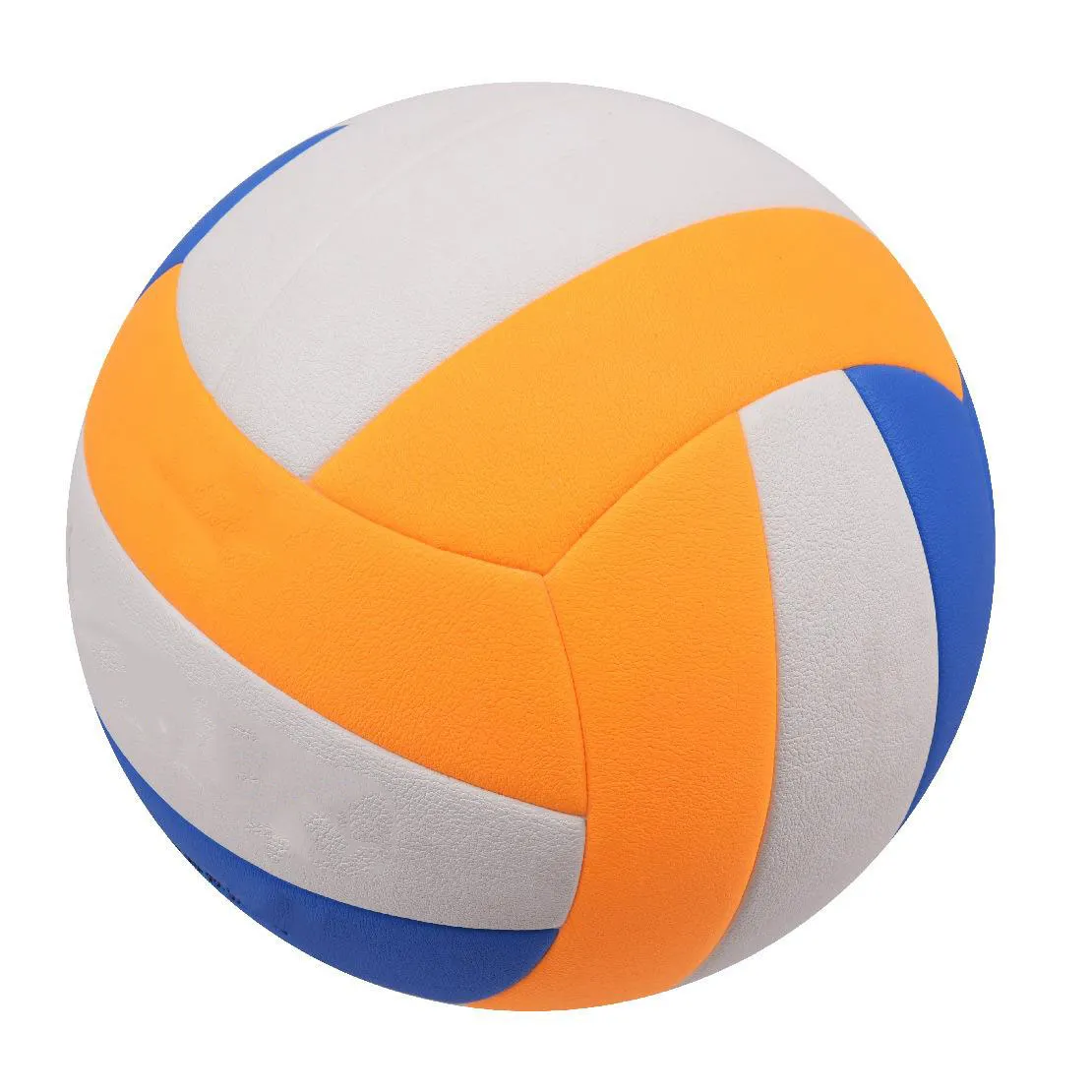
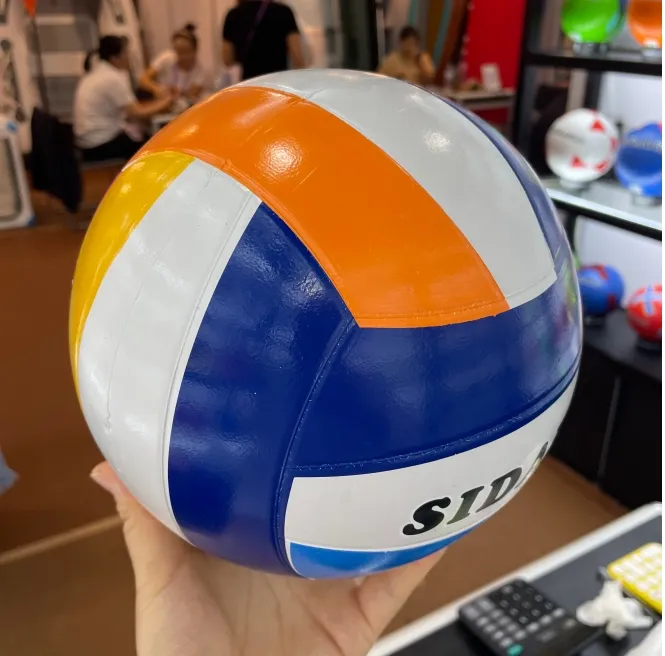
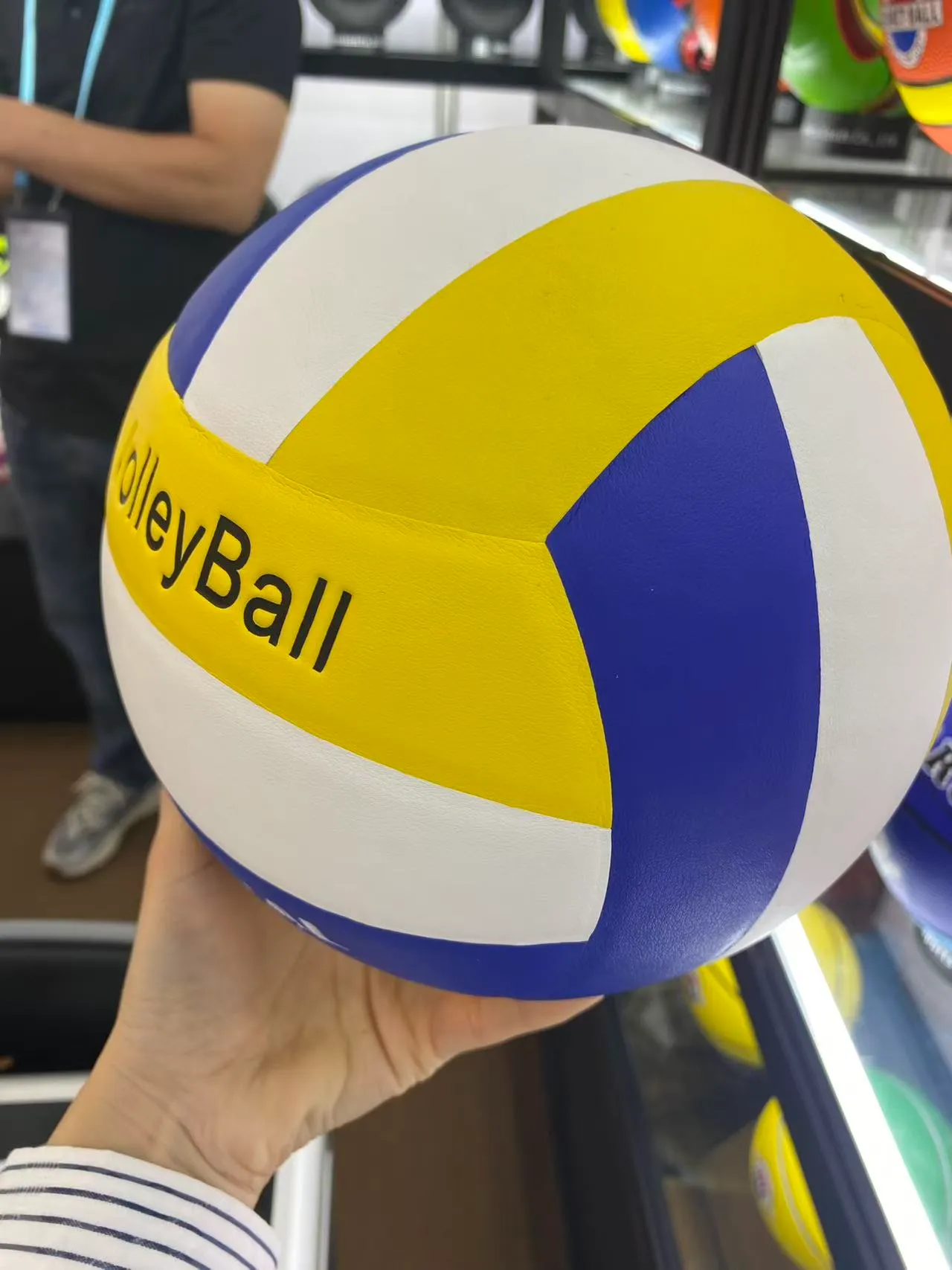
Volleyball may look like a single sport on the surface, but the equipment requirements vary significantly depending on where the game is played. For brands, clubs, schools, and event organizers exploring customization, understanding the differences between custom beach volleyball products and indoor volleyballs is essential. From materials and construction to performance and branding applications, each type is designed for very different environments.
In this guide, we break down the key differences you should know before choosing between indoor volleyball customization and outdoor solutions, with a special focus on outdoor volleyball material performance.
Playing Environment: Sand vs Indoor Courts
The most obvious difference between beach and indoor volleyballs is the playing environment, which directly influences ball design.
Beach volleyballs are used outdoors on sand courts, where they are exposed to sunlight, moisture, wind, and abrasive surfaces. A custom beach volleyball ball must be engineered to withstand these conditions without losing shape, grip, or color.
Indoor volleyballs, on the other hand, are used in controlled environments such as gyms and sports halls. Indoor courts are smooth, dry, and temperature-stable, allowing manufacturers to focus more on touch, responsiveness, and precision rather than weather resistance.
Outdoor Volleyball Material vs Indoor Materials
Materials Used in Custom Beach Volleyballs
Outdoor volleyball material is designed for durability and resistance. Most beach volleyballs use high-grade synthetic leather such as TPU or specially treated PU. These materials are:
-
Water-resistant and quick-drying
-
UV-resistant to prevent fading
-
More abrasion-resistant for sand contact
The surface texture is often slightly rougher to ensure grip even with sweaty or sandy hands, making it ideal for long outdoor play sessions.
Materials Used in Indoor Volleyball Customization
Indoor volleyballs typically use softer PU leather or microfiber composite materials. These materials offer:
-
Better ball control and softer touch
-
Enhanced feel for setting and spiking
-
Reduced hand fatigue during long matches
However, these softer materials are not ideal for outdoor use, as moisture and sunlight can shorten their lifespan.
Size, Weight, and Ball Pressure Differences
Another key distinction lies in ball specifications.
A custom beach volleyball is generally slightly larger in circumference and lighter in weight compared to an indoor volleyball. It is also inflated at lower pressure. This design helps:
-
Improve control in windy conditions
-
Reduce impact on hands during longer rallies
-
Enhance visibility during outdoor play
Indoor volleyballs are smaller, heavier, and inflated at higher pressure. This allows for faster gameplay, sharper attacks, and precise ball trajectories, which are critical in competitive indoor matches.
Surface Texture and Grip Performance
Grip is a crucial performance factor that differs between beach and indoor volleyballs.
Beach volleyballs have a textured or pebbled surface designed to maintain grip despite sand, humidity, and sweat. This texture is a defining feature of outdoor volleyball material, ensuring consistent handling during outdoor games.
Indoor volleyballs prioritize smoothness and touch sensitivity. A smoother surface enhances fingertip control for setters and provides a cleaner contact point for spikes and serves. This is especially important for advanced-level indoor play and professional competitions.
Customization Options: Beach vs Indoor Volleyballs
Custom Beach Volleyball Branding
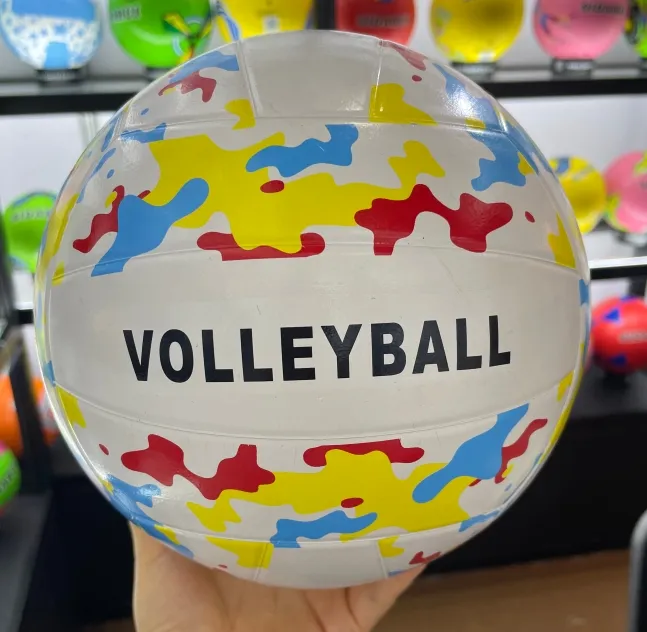
A custom beach volleyball offers excellent branding visibility. Outdoor balls often feature bright colors, bold graphics, and high-contrast logos to remain visible under direct sunlight. They are commonly used for:
-
Beach tournaments and events
-
Brand promotions and sponsorships
-
Resorts, clubs, and outdoor sports programs
Heat-transfer printing and weather-resistant inks are typically used to ensure logos remain intact over time.
Indoor Volleyball Customization Capabilities
Indoor volleyball customization focuses more on clean aesthetics and brand identity. Logos are usually printed or embossed in a more subtle way, aligning with professional league or school branding. These volleyballs are ideal for:
-
Club teams and school programs
-
Training facilities
-
Professional and semi-professional competitions
Indoor customization emphasizes precision, balance, and consistency rather than bold visual impact.
Durability and Lifespan Expectations
Durability expectations vary significantly between the two types.
A custom beach volleyball is built for harsh conditions, but constant exposure to sand, sun, and water will naturally shorten its lifespan compared to indoor balls. High-quality outdoor volleyball material helps slow this process, but replacement cycles are usually shorter.
Indoor volleyballs generally last longer when used properly. With no UV exposure or abrasive surfaces, the ball maintains its shape, grip, and air retention for extended periods, making it more cost-efficient for long-term indoor use.
Performance and Gameplay Impact
From a gameplay perspective, the differences are immediately noticeable.
Beach volleyballs travel slower through the air, allowing players more time to react. This suits the two-player beach format, where endurance and ball control are more important than speed.
Indoor volleyballs move faster and respond more sharply, supporting quick attacks, complex team strategies, and high-speed rallies. Choosing the wrong ball for the wrong environment can negatively affect performance and player experience.
Which Volleyball Should You Choose?
The decision between a custom beach volleyball and an indoor volleyball depends on your intended use:
-
Choose a beach volleyball if your focus is outdoor play, events, promotions, or casual recreation.
-
Choose indoor volleyball customization for training programs, competitive leagues, schools, or professional use.
-
Consider outdoor volleyball material quality carefully if durability and weather resistance are top priorities.
For brands and buyers, working with an experienced manufacturer ensures the right balance between performance, customization, and long-term value.
Final Thoughts
While both volleyball types share the same core purpose, custom beach volleyballs and indoor volleyballs are designed for very different conditions. Differences in materials, size, pressure, surface texture, and customization all play a critical role in performance and durability.
Understanding these distinctions helps buyers make informed decisions, improves player satisfaction, and ensures your customized volleyballs perform exactly as expected—whether on sun-soaked sand or polished indoor courts.