Jan . 04, 2026 15:13
Choosing the right volleyball training ball is more important than many players realize. The ball you train with directly affects ball control, confidence, skill development, and even injury prevention. A volleyball training ball is not just a cheaper alternative to a match ball—it is a purpose-built tool designed to support learning, repetition, and performance improvement at different stages of a player’s journey.
Whether you are a beginner learning basic techniques, an intermediate player refining skills, or an advanced athlete preparing for competition, selecting the correct volleyball training ball for your skill level can significantly improve training efficiency and results.
Why Skill Level Matters When Choosing a Volleyball Training Ball
Volleyball training balls vary in material, weight, softness, and responsiveness. Using the wrong type can slow progress or create unnecessary strain. Beginners often need a ball that is forgiving and easy to control, while advanced players require a training ball that closely mimics real-game conditions.
Matching the volleyball training ball to your skill level ensures:
-
Better technical feedback during drills
-
Reduced risk of hand, wrist, and arm injuries
-
Higher training volume without excessive fatigue
-
Faster improvement in ball control and confidence
Understanding how skill level influences ball choice is the foundation of smart volleyball training.
Best Volleyball Training Ball for Beginners
For beginners, comfort and control should be the top priorities. New players are still developing hand positioning, timing, and coordination, so a ball that is too hard or heavy can be discouraging.
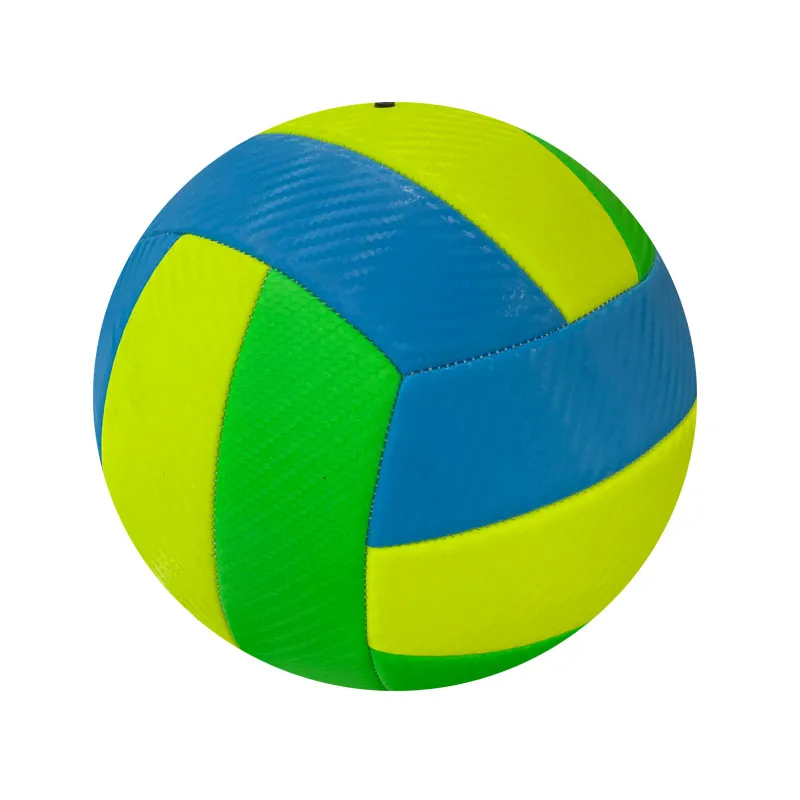
A soft volleyball training ball is usually the best option for beginners. These balls are often made from foam or cushioned synthetic materials, reducing impact on the hands and arms. This allows players to practice passing, setting, and serving repeatedly without pain or fear of contact.
Key features beginners should look for:
-
Softer outer surface for reduced impact
-
Slightly lighter weight for easier handling
-
Stable flight for predictable movement
A beginner-friendly volleyball training ball helps build confidence, encourages longer practice sessions, and supports proper technique from the start.
Choosing a Volleyball Training Ball for Youth and School Players
Youth players and school training programs often need volleyball training balls that balance safety, durability, and cost efficiency. Since training sessions usually involve frequent repetition and group drills, durability becomes just as important as comfort.
Soft or semi-soft volleyball training balls are ideal for this level. They protect young players’ hands while still offering enough structure to develop correct form. In school or club settings, these balls are also quieter and safer for indoor use.
Important considerations for youth training:
-
Impact-friendly design for developing hands
-
High durability for daily group practice
-
Consistent size to match official standards
Selecting the right volleyball training ball for youth players supports long-term development and reduces dropout caused by discomfort or injury.
Volleyball Training Ball for Intermediate Players
Intermediate players are transitioning from learning basics to refining technique. At this stage, the volleyball training ball should offer more realistic feedback while still supporting frequent practice.
Many intermediate players benefit from a solid ball volleyball or a firmer composite training ball. These balls are closer in feel to match balls, helping players improve timing, accuracy, and touch during passing and serving drills.
Recommended features for intermediate-level balls:
-
Firmer outer layer for realistic contact
-
Regulation size and weight
-
Consistent bounce and flight
Using a slightly firmer volleyball training ball helps bridge the gap between practice and competition, preparing players for more advanced play.
Advanced Players and Performance-Focused Training Balls
Advanced players and competitive athletes require volleyball training balls that closely replicate game conditions. At this level, training focuses on precision, power, and consistency under pressure.
A solid ball volleyball or high-quality training ball with match-like characteristics is often the best choice. Some advanced players also incorporate weighted volleyball training balls into specific drills to improve arm strength and ball control, although these should be used selectively.
What advanced players should prioritize:
-
Match-level responsiveness
-
Accurate weight and size specifications
-
High durability for intense training sessions
For advanced training, the volleyball training ball is no longer just a learning tool—it becomes a performance optimization tool.
Indoor vs Outdoor Volleyball Training Ball Selection
Training environment also plays a role in choosing the right volleyball training ball. Indoor training balls typically focus on grip and controlled bounce, while outdoor training balls must withstand rougher surfaces and varying weather conditions.
For indoor use:
-
Softer or composite balls with good grip
-
Consistent flight for technical drills
For outdoor use:
-
More durable covers
-
Slightly heavier construction to handle wind
Matching the volleyball training ball to the training environment ensures consistent practice quality and longer product lifespan.
Size, Weight, and Material: What to Check Before Buying
Regardless of skill level, certain technical factors should always be reviewed before choosing a volleyball training ball.
Key specifications include:
-
Size: Most adult training balls follow official size standards
-
Weight: Training balls may be slightly lighter or heavier depending on purpose
-
Material: Foam, synthetic leather, or composite materials affect feel and durability
Understanding these details helps players and buyers make informed decisions and avoid mismatched equipment.
Final Thoughts: How to Choose the Right Volleyball Training Ball
Choosing the right volleyball training ball is about aligning equipment with skill level, training goals, and practice environment. Beginners benefit most from soft volleyballs that build confidence and reduce impact, while intermediate and advanced players require firmer, more responsive balls to refine technique and prepare for competition.
For the best results, many coaches recommend using more than one type of volleyball training ball—combining soft balls for technical repetition with solid ball volleyball options for performance drills. This balanced approach supports steady improvement, reduces injury risk, and maximizes training effectiveness over time.
By selecting a volleyball training ball that matches your current skill level, you create a stronger foundation for growth and long-term success on the court.